Fermented Foods for Gut Health: What Works, What Doesn't
Fermented foods can genuinely support digestion, but only if they still contain live microbes when you eat them. Here's how to tell, how much to eat, who should skip them, and the mistakes that waste your money.
Rewritten with AI and republished automatically. Our editors set the standards and fix reported errors — how we work.
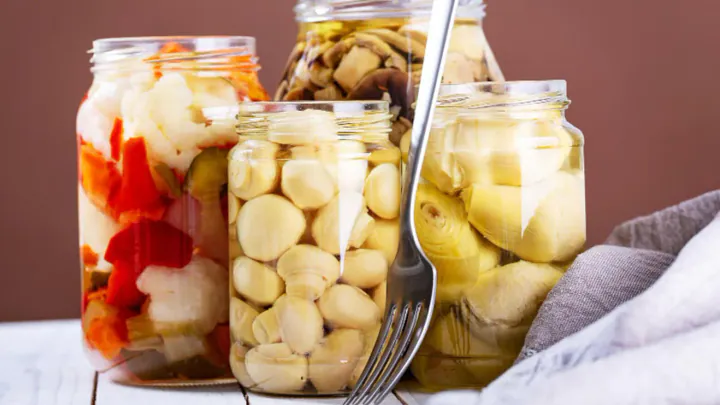
TL;DR: Fermented foods support digestion by delivering live microbes, organic acids, and pre-digested nutrients. The benefit only holds if the product still contains live cultures, which rules out pasteurized jars, baked sourdough, and boiled miso. Start with a teaspoon a day, build slowly, and rotate types.
What exactly counts as a fermented food?
A fermented food is any food or drink transformed by the controlled action of bacteria, yeasts, or molds that convert sugars and starches into acids, alcohol, or gases. In most gut-relevant cases, that process is lacto-fermentation: lactic acid bacteria such as Lactobacillus and Leuconostoc species drop the pH, preserve the food, and leave behind a tangy flavor plus a population of live microbes.
Not every fermented food is a probiotic food, and that distinction is where most articles go wrong. Sourdough bread is fermented but baked, so the microbes are gone. Beer and wine are fermented but filtered or pasteurized. Vinegar is fermented twice and then, typically, heat-treated. Tempeh is fermented by the mold Rhizopus but almost always cooked before eating.
What survives cooking are the byproducts: organic acids, reduced antinutrients like phytic acid, broken-down lactose, and peptides formed during fermentation. Those are real benefits. They are just not the same as swallowing living bacteria.
How do fermented foods actually affect digestion?
They work through three separate mechanisms, and only one of them involves colonizing your gut. Most food-borne microbes are transient, passing through over a few days rather than setting up permanent residence, which is exactly why daily consistency beats occasional large servings.
- Pre-digestion. Fermentation breaks down lactose in dairy, raffinose-type sugars in cabbage and soy, and phytates in grains and legumes. That is why many people who react to milk tolerate aged yogurt or kefir comfortably.
- Transient microbial traffic. Live cultures interact with your resident microbiome and gut lining as they pass through, producing lactic and acetic acid along the way and competing for space with less welcome organisms.
- Metabolites. Fermentation generates compounds the raw ingredient never had, including B vitamins, vitamin K2 in natto and some cheeses, and bioactive peptides.
Research generally suggests that regular intake of fermented foods is associated with a more diverse gut microbial community and lower markers of inflammation, though the effect size varies widely between people. If you have a diagnosed digestive condition, treat this as background reading and consult a qualified professional before changing your diet. Our broader practical guide to gut health covers the fiber and habit side in more depth.
Which fermented foods have live cultures when you buy them?
Only the ones sold refrigerated and unpasteurized, plus a handful of shelf-stable exceptions. The table below is the fastest way to tell what you are actually buying.
| Food | Main microbes | Live when purchased? | Typical serving | Watch-outs |
|---|---|---|---|---|
| Yogurt | Lactobacillus bulgaricus, Streptococcus thermophilus, often added Bifidobacterium | Yes, if labeled live and active cultures | 1/2 to 1 cup | Flavored tubs can carry as much sugar as dessert |
| Kefir | Mixed bacteria and yeasts from kefir grains; more strains than yogurt | Yes, refrigerated | 1/2 to 1 cup | Trace alcohol from yeast activity; tart taste puts some people off |
| Sauerkraut | Leuconostoc, then Lactobacillus species | Only raw, refrigerated versions | 1 to 2 tablespoons | Shelf-stable vinegar-brined jars contain no live cultures |
| Kimchi | Lactic acid bacteria including Lactobacillus and Weissella | Yes, refrigerated | 1 to 2 tablespoons | High sodium; keeps fermenting and sours in the fridge |
| Miso | Aspergillus oryzae (koji) plus lactic bacteria and yeasts | Yes, unpasteurized refrigerated paste | 1 to 2 teaspoons | Boiling kills the cultures; very high in sodium |
| Kombucha | SCOBY: acetic acid bacteria plus yeasts | Yes, refrigerated | 4 to 8 ounces | Sugar content varies hugely; contains trace alcohol |
| Natto | Bacillus subtilis | Yes, usually frozen then thawed | 1 small pack | Very high vitamin K2 — a real interaction risk on warfarin |
Ignore headline CFU counts on packaging. Colony counts drift with storage temperature and shelf age, and there is no consistent standard behind the numbers printed on a lid.
How much should you eat, and how fast should you ramp up?
Aim for one small serving a day, and start smaller than feels worthwhile. Our rule of thumb: one teaspoon of a vegetable ferment or a quarter cup of kefir daily for the first week, then double it weekly until you reach a normal serving. That slow ramp is the single biggest predictor of whether someone is still eating fermented foods a month later.
A worked example. A reader who starts with a full cup of kefir plus a generous forkful of kimchi on day one typically gets noticeable gas and cramping by day three, decides fermented foods "don't agree" with them, and stops. The same person starting at two tablespoons of kefir usually reaches a full cup within three weeks with no complaints. The food did not change; the ramp did.
Rotation matters more than dose. Eating kefir on some days, kimchi on others, and a spoonful of live miso stirred into soup exposes your gut to a wider set of organisms than hammering one product forever.
Who should be cautious or skip fermented foods entirely?
Fermented foods are not universally appropriate, and the honest version of this article has to say so. Speak with a qualified clinician before adding them regularly if any of the following applies to you.
- Significant immunosuppression. Chemotherapy, transplant medication, or advanced immune deficiency all change the risk calculus around consuming live microbes.
- Histamine intolerance. Fermentation generates biogenic amines. People who react to aged cheese and red wine with flushing or headaches often react to kimchi and kombucha the same way.
- MAOI medications. Tyramine in aged and fermented foods is a documented interaction that requires dietary guidance.
- Warfarin therapy. Natto is extraordinarily high in vitamin K2 and can meaningfully affect anticoagulation.
- Sodium-restricted diets. Sauerkraut, kimchi, and miso are salt-preserved by definition. Two tablespoons of kimchi is modest; half a jar is not.
- Pregnancy. Unpasteurized products and the trace alcohol in kombucha warrant a conversation with your provider.
What are the most common and costly mistakes?
The expensive mistake is buying pasteurized products and believing they contain probiotics. Shelf-stable sauerkraut sitting beside the pickles has been heat-treated so it can survive room temperature. If the ingredient list includes vinegar and the jar was never refrigerated, you are buying a condiment, not a live culture.
Three more that come up constantly:
- Boiling miso. Add the paste after the pot comes off the heat. Dropping it into a rolling boil undoes the point of paying for unpasteurized miso.
- Treating sourdough as a probiotic. The oven reaches well above the survival range for lactic acid bacteria. Sourdough has other merits, including better mineral availability, but live cultures are not among them.
- Leaving jars on the counter after opening. Live ferments keep working. At room temperature they sour aggressively, build pressure, and can overflow. Refrigerate and press the vegetables back under the brine after each serving.
One more that surprises people: kombucha marketed as low sugar is sometimes back-sweetened with juice after fermentation. Read the nutrition panel, not the front of the bottle.
How do you fit fermented foods into meals without a diet overhaul?
Attach each one to a meal you already eat rather than inventing new meals. That is the whole strategy.
- Breakfast: plain kefir in a smoothie, or yogurt under granola instead of milk.
- Lunch: a forkful of sauerkraut in a sandwich, or kimchi alongside a grain bowl.
- Dinner: miso whisked into broth off the heat, or a fermented pickle on the plate. Ferments also pair neatly with fast, balanced sheet-pan dinners, where a sharp, acidic side cuts through roasted vegetables.
- Snack: a small glass of kombucha in place of soda.
Pair ferments with prebiotic fiber — onions, garlic, leeks, slightly green bananas, oats, cooked and cooled potatoes — because fiber feeds the bacteria already living in your colon. Probiotics without prebiotics is half the job.
Is home fermentation worth trying, and how do you do it safely?
Yes, and vegetable lacto-fermentation is one of the more forgiving kitchen projects because the environment protects itself. Salt plus anaerobic conditions plus falling pH suppresses spoilage organisms quickly.
The core method for sauerkraut: shred cabbage, weigh it, add salt equal to about 2% of that weight, massage until liquid pools, pack tightly into a clean jar, and keep everything submerged under its own brine using a weight or a folded outer leaf. Ferment at cool room temperature for one to three weeks, tasting as you go, then refrigerate.
Two safety rules worth memorizing. First, anything above the brine line is at risk — exposed vegetable is where mold starts. Second, trust your senses: a clean ferment smells sharp and sour, while a failed one smells putrid, turns slimy, or grows fuzzy colored mold. Discard the whole jar in that case rather than scooping off the top. Separately, never store raw garlic in oil at room temperature; that is a genuine botulism risk and it is not fermentation.
What else moves the needle beyond fermented foods?
Fermented foods are a supporting player, not the lead. Total dietary fiber and plant variety do more for microbial diversity than any single jar, and the non-food inputs matter more than most people expect.
Sleep is near the top of that list, because disrupted sleep affects appetite hormones and gut motility — our guides to resetting sleep hygiene and recovering from sleep debt cover the practical side. Regular aerobic movement also improves transit time, which is one reason easy-effort zone 2 training pays digestive dividends. Adding a short morning sunlight habit helps anchor the circadian rhythm that your gut follows too.
And finish antibiotics when a clinician prescribes them. The advice to avoid unnecessary antibiotics is sound; skipping a necessary course is not.
Key takeaways
- A fermented food only delivers live microbes if it was never pasteurized, cooked, or baked — check the refrigerated case and the ingredient list.
- Start at a teaspoon a day and build over three weeks; the fast ramp is what causes the bloating people blame on the food.
- Rotate several types rather than relying on one, and pair them with prebiotic fiber so your resident bacteria get fed.
- Histamine intolerance, MAOIs, warfarin with natto, immunosuppression, and sodium limits are real reasons to check with a clinician first.
- Home vegetable ferments are safe and cheap at roughly 2% salt by weight, provided everything stays under the brine.
- This is general nutrition information, not medical advice; persistent digestive symptoms deserve a professional evaluation.
Frequently asked questions
How much fermented food should I eat each day?
A small daily serving is the practical target: roughly a half cup of yogurt or kefir, or one to two tablespoons of sauerkraut or kimchi. Consistency matters far more than volume, and starting with a single teaspoon for a week reduces the gas and bloating that make most people quit.
Do fermented foods have live probiotics after cooking?
Usually not. Most lactic acid bacteria are killed above roughly 115°F, so baked sourdough, cooked kimchi stew, and boiled miso soup lose their live cultures. They still offer flavor, fiber, and fermentation byproducts, but stir miso in after the pot is off the heat if live microbes are the goal.
Is store-bought sauerkraut still probiotic?
Only if it's raw and refrigerated. Shelf-stable jars in the vinegar aisle are pasteurized for shelf life, which deactivates the bacteria. Look for refrigerated sauerkraut with cabbage and salt on the label, no vinegar, and a lid that may bulge slightly from ongoing activity.
Can fermented foods cause bloating?
Yes, especially in the first two weeks or if you jump straight to large servings. Cabbage-based ferments are also high in FODMAPs, which can trigger gas in sensitive people. If bloating worsens steadily rather than settling, stop and speak with a qualified clinician.
Who should avoid fermented foods?
People who are significantly immunocompromised, anyone with a diagnosed histamine intolerance, people on MAOI medications, and those on warfarin who might eat natto should get medical guidance first. Sodium-restricted diets also need care, since sauerkraut, kimchi, and miso are salty by design.
Are probiotic supplements better than fermented foods?
Not necessarily better, just different. Supplements deliver defined strains at defined doses, which is useful when a clinician is targeting a specific condition. Fermented foods deliver a broader microbial mix plus fiber, organic acids, and nutrients, and they cost less per day. Either way, this is general information, not medical advice.
Is home fermentation safe?
Vegetable lacto-fermentation is one of the safer home food projects when you use about 2% salt by weight and keep everything fully submerged under the brine. The acidic, salty, oxygen-poor environment suppresses spoilage organisms. Discard any batch that smells putrid, turns slimy, or grows fuzzy colored mold.