Sleep Hygiene in 2026: A Practical Guide to Better Rest
Struggling to fall asleep or stay asleep? Our 2026 sleep hygiene guide breaks down evidence-based habits, bedroom setup, and screen rules that actually work.

TL;DR: Good sleep hygiene in 2026 comes down to a handful of repeatable habits: a consistent wake time, a cool and dark bedroom, a 30–60 minute wind-down without screens, smart caffeine and alcohol limits, and daylight exposure in the morning. None of these are glamorous, but together they help most adults fall asleep faster, wake less often, and feel sharper during the day. Below, we walk through what the research says and exactly how to put it into practice this week.
Why sleep hygiene matters more than ever in 2026
Sleep has quietly become one of the most studied pillars of health. The U.S. Centers for Disease Control and Prevention reports that roughly one in three American adults regularly fall short of the recommended seven hours per night, and the consequences extend well beyond grogginess. Chronic short sleep is linked to higher risks of cardiovascular disease, type 2 diabetes, depression, and weakened immune function.
What's changed recently is the environment we sleep in. Always-on notifications, late-evening streaming, hybrid work schedules, and ambient light pollution all chip away at the natural cues our bodies rely on. The American Academy of Sleep Medicine has emphasized that protecting sleep now requires deliberate design, not just willpower at bedtime.
The encouraging news: small, consistent adjustments tend to outperform dramatic overhauls. Our team has reviewed current guidance from the Mayo Clinic, the National Sleep Foundation, and peer-reviewed sleep research to assemble a practical, no-gimmicks playbook for 2026.
Anchor your schedule first
If you change only one thing, change this: wake up at roughly the same time every day, including weekends. Your circadian rhythm — the internal 24-hour clock that governs alertness and melatonin release — is reinforced primarily by your wake time and morning light exposure, not by your bedtime.
A few practical anchors:
- Pick a wake time you can hold seven days a week, give or take 30 minutes.
- Get 5–15 minutes of daylight within an hour of waking. Outside is best; a bright window works on rainy days.
- Let your bedtime float slightly based on when you actually feel sleepy, rather than forcing a number on the clock.
Sleeping in for two or three extra hours on Saturday — sometimes called "social jet lag" — can leave you feeling like you flew across time zones by Monday morning. A steady wake time is a quiet but powerful fix.
Design a bedroom that invites sleep
Your environment does a lot of the work for you when it's set up correctly. The goal is a space that signals "rest" the moment you walk in.
Temperature
Most sleep researchers point to a bedroom temperature between roughly 60 and 68°F (15–20°C) as the sweet spot. A slight drop in core body temperature helps initiate sleep, which is why a cool room, breathable bedding, and a warm shower about 90 minutes before bed can all work together.
Light
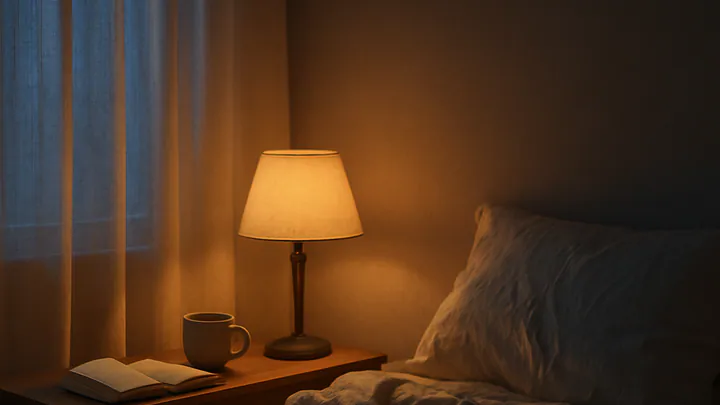
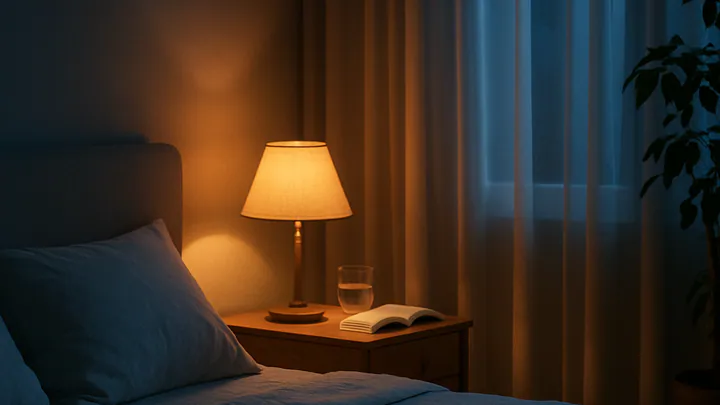
Even small amounts of light can suppress melatonin and lighten your sleep. Consider blackout curtains, taping over LED indicators on electronics, and using a dim, warm-toned bulb in your bedside lamp. If you need a nightlight for safety, choose amber or red rather than white or blue.
Sound
Steady, low-level sound often outperforms silence in noisy neighborhoods. A simple fan, a white-noise machine, or a brown-noise app can mask sudden disruptions like traffic or a partner's movement.
Mattress and pillows
You don't need a luxury mattress, but you do need one that supports your spine without pressure points. Pillows generally need replacing every 1–2 years and mattresses every 7–10 years, depending on quality and use.
Build a wind-down routine that actually works
Sleep isn't a switch — it's a landing. Most adults need a 30–60 minute buffer between "on" mode and lights-out. The exact activities matter less than the consistency and the gentle reduction in stimulation.
A sample wind-down sequence:
- 60 minutes before bed: dim overhead lights, close work tabs, set tomorrow's top three priorities on paper.
- 45 minutes before bed: shower or wash up, change into sleep clothes, do light stretching.
- 30 minutes before bed: read a physical book, journal, listen to calm music, or do a short breathing exercise.
- Lights out: phone across the room or in another room entirely.
If your mind races the moment your head hits the pillow, a "worry dump" — five minutes of writing down what's on your mind — has been shown in cognitive behavioral therapy for insomnia (CBT-I) research to shorten the time it takes to fall asleep.
The truth about screens, caffeine, and alcohol
These three deserve their own section because they're the most common quiet saboteurs of sleep.
Screens
The blue-light debate is overblown; the real issue is behavioral. Doomscrolling, group chats, and emotionally charged shows keep your brain in an alert state right when it should be powering down. A practical rule: no phone in bed, and switch to passive content (a paperback, an audiobook, or a slow show) in the last 30 minutes.
Caffeine
Caffeine has a half-life of roughly five to six hours, meaning that 3 p.m. latte may still be circulating at bedtime. The Mayo Clinic recommends cutting off caffeine at least eight hours before sleep for most adults — earlier if you're sensitive or over 50.
Alcohol
A nightcap can make you drowsy, but it fragments sleep later in the night, suppresses REM, and worsens snoring. If you drink, finish at least three hours before bed and keep portions modest.
Move your body, but time it well
Regular physical activity is one of the most reliable ways to improve sleep quality. A 2023 review in the journal Sleep Medicine Reviews noted that consistent moderate exercise improves both sleep onset and total sleep time in adults with insomnia symptoms.
- Aim for 150 minutes of moderate activity per week, per general guidance from the World Health Organization.
- Morning or early-afternoon workouts tend to support sleep best.
- Intense workouts within an hour of bedtime can keep some people wired; gentle yoga or a walk after dinner is usually fine.
When sleep hygiene isn't enough
Sleep hygiene is foundational, but it isn't a treatment for clinical sleep disorders. Loud snoring with pauses in breathing may signal obstructive sleep apnea. Persistent difficulty falling or staying asleep at least three nights a week for three months may meet the criteria for chronic insomnia, for which CBT-I is the recommended first-line treatment.
If you've tightened your habits for four to six weeks and still feel unrested, it's worth a conversation with a primary care physician or a board-certified sleep specialist. Treatable conditions are common, and they rarely improve on their own.
Editorial note on health information
This article is for general educational purposes and does not constitute medical advice. Sleep problems can have many underlying causes, including medical conditions and medication side effects. Please consult a qualified healthcare professional before making changes that could affect your health, especially if you have a chronic condition, are pregnant, or take prescription medication.
Key takeaways
- Anchor your circadian rhythm with a consistent wake time and morning daylight.
- Make your bedroom cool, dark, and quiet — environment does much of the work.
- Protect a 30–60 minute screen-light wind-down before bed.
- Cut caffeine at least eight hours before sleep; keep alcohol modest and early.
- Move your body most days, ideally before late evening.
- If problems persist beyond a month, talk to a qualified professional about CBT-I or a sleep evaluation.
Frequently asked questions
What is sleep hygiene?
Sleep hygiene is the collection of daily habits, behaviors, and environmental conditions that support consistent, high-quality sleep. It includes things like a regular bedtime, a cool and dark bedroom, limited evening caffeine, and a calming wind-down routine.
How many hours of sleep do adults actually need?
Most adults need seven to nine hours of sleep per night, according to the National Sleep Foundation. Individual needs vary, but consistently sleeping fewer than seven hours is linked to higher risks of chronic disease and impaired daytime functioning.
Does looking at my phone in bed really hurt my sleep?
Yes. Late-night screen use can delay melatonin release, keep your brain alert with stimulating content, and push back your bedtime. Even with night-mode filters, the behavioral arousal from scrolling is often the bigger problem than the blue light itself.
Is it bad to nap during the day?
Short naps of 10 to 20 minutes earlier in the afternoon can boost alertness without harming nighttime sleep for most people. Longer or later naps, however, can make it harder to fall asleep at night, especially if you already struggle with insomnia.
When should I see a doctor about sleep problems?
Consider seeing a qualified healthcare professional if sleep difficulties last longer than three to four weeks, if you snore loudly or gasp during sleep, or if daytime fatigue is interfering with work, mood, or safety behind the wheel.
Do sleep trackers actually help?
Sleep trackers can reveal helpful patterns like bedtime drift or low sleep efficiency, but their stage-by-stage data is approximate. Use the trends as a nudge toward better habits, not as a clinical diagnosis.