Summer Fashion Trends 2025: What to Buy and What to Skip
The 2025 summer season rewards breathable fabric and clear silhouettes over novelty. Here is what is genuinely worth buying, what to borrow from last year, and the fabric and fit rules that decide whether a trend piece survives past August.
Rewritten with AI and republished automatically. Our editors set the standards and fix reported errors — how we work.
TL;DR: Summer 2025 favors breathable fabric and clear proportion over novelty. Fluid linen and cotton silhouettes, one saturated accent color, short hemlines balanced by volume up top, sporty-chic footwear, and a softened Y2K-boho revival. Buy three to five pieces, check the composition tag, and skip anything lined in polyester.
Summer fashion trends 2025 are the seasonal set of silhouettes, colors, fabrics and accessories that dominate warm-weather dressing this year — and unlike a lot of recent seasons, most of them are actually wearable in heat. That is the useful part. This guide looks at what is showing up repeatedly across collections, street style and mainstream retail, then filters it by a harder question: which of these will still get worn in September?
What are the summer 2025 trends actually worth buying?
Five things are worth spending on: a linen or linen-blend wide-leg trouser, one saturated-color top, an oversized button-down that works as a shirt and a beach cover-up, a dress or co-ord set in a breathable natural fiber, and one pair of comfortable, walkable shoes. Everything else this season is decoration on top of those.
The reason is proportion. Almost every dominant 2025 look is a volume contrast — something loose against something fitted, something short against something long. If you own a wide bottom and a boxy top, you can build most of the season from pieces you already have. The trend pieces then become optional rather than structural.
Here is how the major trends compare on the metric that matters most, which is cost per wear.
| Trend | Heat performance | Wears beyond summer? | Verdict |
|---|---|---|---|
| Linen co-ords & wide-leg trousers | Excellent | Yes — trousers layer into fall | Buy first |
| Oversized cotton button-down | Excellent | Yes — year-round layer | Buy first |
| Saturated brights (one accent) | Neutral | Yes, if the piece is a good cut | Buy one |
| Micro shorts & tennis skirts | Good | Limited | Only if it suits your life |
| Platform sneakers & padded slides | Warm on feet | Sneakers yes, slides no | Optional |
| Techwear (UV, water-repellent) | Varies wildly | Yes for travel | Buy for function only |
| Y2K revival (low-rise, butterfly clips) | Good | Trend-dependent | Secondhand only |
| Crochet & fringe | Excellent | Yes, as a cover-up | Low-risk buy |
Which fabrics actually keep you cool in summer heat?
Linen, loosely woven cotton, lyocell (often sold as Tencel) and silk blends are the fabrics that genuinely manage heat, because they are breathable and pull moisture off the skin rather than trapping it. Polyester and heavy viscose look the part in photos and behave badly at 90°F.
This is the single most useful habit to build this season: read the composition tag before you read the price tag. A great deal of what gets marketed as "linen-look" or "resort" is 95 percent polyester. It will drape convincingly on a hanger and cling unpleasantly by noon.
Two specifics that separate a good summer garment from a bad one:
- The lining. A breathable outer fabric with a full polyester lining is functionally a polyester garment. Check inside the skirt or dress before you commit.
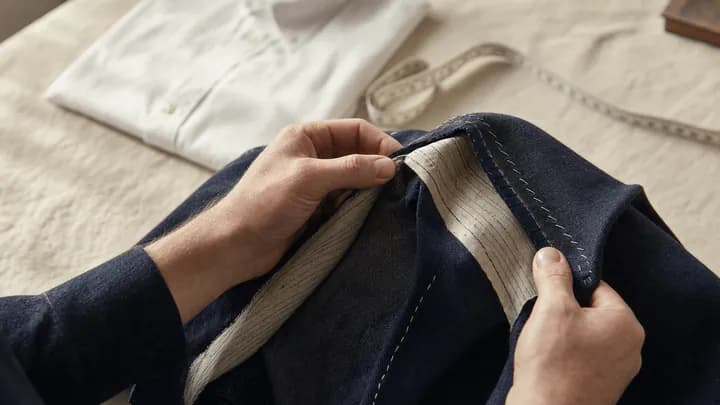
- The weave, not just the fiber. A tightly woven cotton twill is hotter than a loosely woven linen-cotton blend. Hold it up to light — if you can see through it slightly, air moves through it.
Honest caveat: linen creases, permanently and immediately. If wrinkles genuinely bother you, a linen-cotton or linen-lyocell blend gives you most of the breathability with far less crumpling. Pure linen is a commitment to looking slightly rumpled, which is the whole aesthetic but not everyone's aesthetic.
How do I wear bold colors without looking like I'm trying too hard?
Wear one saturated color against neutrals you already own. Electric blue, sunshine yellow and tangerine are all prominent in 2025, and all three work best as a single deliberate note rather than a full outfit. The design term for this is a color anchor — everything else recedes and supports it.
A worked example. Start with ecru linen trousers and tan sandals, both neutral, both things most closets contain. Add a tangerine short-sleeve knit. That is a complete, current outfit with exactly one new purchase. Swap the tangerine for cobalt and it reads entirely differently, which is why buying the top rather than the trousers in a bright color is the smarter allocation of money.
Clashing prints — stripes with florals, for instance — do work this season, but they need a shared element to cohere: the same background tone, or a similar scale. Two prints with nothing in common read as an accident. If you want the effect with less risk, keep the second print small and confined to an accessory.
If saturated color simply isn't you, the restrained end of the season is equally valid. The tonal, texture-driven approach we cover in our guide to building a timeless quiet-luxury wardrobe works perfectly in summer — think ecru, bone, sand and clay in linen and cotton, with the interest coming from weave rather than hue.
Are short hemlines and micro shorts still in for 2025?
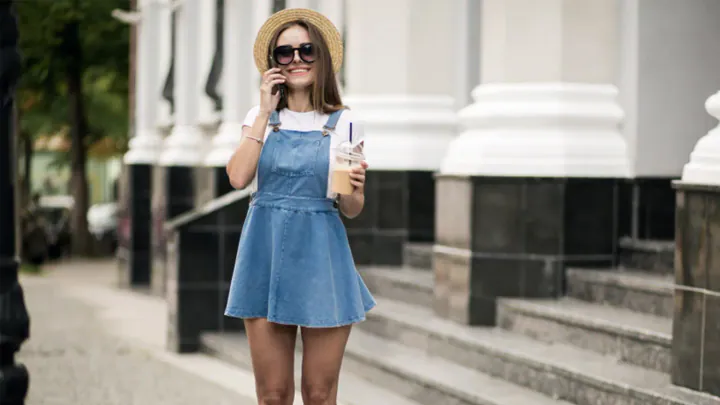
Yes — micro shorts, tennis skirts and wrap minis are everywhere in 2025, but they are styled almost universally with volume on top. The short-plus-oversized combination is the actual trend; the short alone is not.
The decision rule we'd offer: pick your proportion first, then your hemline. If the top is fitted, the bottom should have volume or length. If the top is oversized, a shorter or narrower bottom balances it. Break that and the outfit reads unfinished regardless of how current the individual pieces are.
Coverage-friendly alternatives that read just as current this season include knee-length tailored shorts, wide-leg linen trousers, and fluid midi and maxi skirts in lightweight fabric. Nothing about 2025 requires a short hemline. Anyone telling you otherwise is selling shorts.
One practical note that rarely makes trend roundups: very short hems and public seating are an ongoing negotiation. If you commute, sit on transit, or work anywhere with hard chairs, a slightly longer short will simply be worn more often. Cost per wear again.
What shoes and accessories are worth adding this summer?
Sporty-chic footwear leads 2025 — platform sneakers, padded slides and strappy flatforms — but most people do not need new shoes. If you own clean low-profile sneakers and a pair of leather or woven flat sandals, you are covered for nearly every warm-weather occasion.
Where the season genuinely offers something new is accessories, which are decidedly not minimal this year:
- Oversized hats — practical sun protection that happens to be fashionable. The highest-utility trend of the season.
- Chunky gold-tone jewelry — one strong piece outperforms three small ones.
- Resin statement jewelry — visual weight without physical weight, which matters in heat.
- Mesh crossbody and translucent bags — genuinely useful, though the translucent versions require a tidy bag interior, which is its own commitment.
- Colored sunglasses — the cheapest way to make a neutral outfit look intentional. Check UV protection, not just tint; dark lenses without UV filtering are worse than none.
The costly mistake here is buying trend footwear for a life you don't lead. Padded slides photograph beautifully and are unsuitable for a day of walking on hot pavement. Platform sneakers are excellent if you walk; they are an expensive shelf ornament if you drive.
How do I tell real sustainable fashion from marketing?
Look for specifics, not adjectives. A credible claim names the fiber and its percentage, cites a recognized certification such as GOTS for organic cotton or the Global Recycled Standard for recycled content, and says something about where the garment was made. "Conscious," "eco" and "green" with no supporting detail are marketing words with no fixed meaning.
Beyond certifications, the most reliably lower-impact choice is the least exciting one: buying fewer, better things and wearing them longer. Secondhand is also the genuinely sustainable route into the Y2K revival — low-rise jeans, butterfly clips and halter tops all exist in abundance in resale, often as originals rather than reproductions.
If you want a structural fix rather than a seasonal one, a planned closet beats a reactive one every time. Our guide to building a 30-piece capsule wardrobe lays out how to choose pieces that combine, and the companion piece on building a closet you actually love deals with the harder emotional side of editing what you own.
What about gender-neutral dressing and techwear?
Unisex and gender-fluid collections continue to expand in 2025, built around relaxed tailoring, neutral palettes and shared silhouettes — the oversized button-down, the wide-leg trouser, the boxy tee. These are the same pieces driving mainstream summer dressing, which is precisely why the category has moved from statement to default.
Practical applications are simple: a button-down worn open as a layer or belted as a dress, wide-leg trousers with a tank, an unstructured blazer over shorts. None of it requires a specific department to shop in.
Techwear — UV-resistant fabrics, water-repellent shells, breathable mesh, convertible pieces — is worth buying only when you have the use case. For travel, hiking or long outdoor days it earns its price. For everyday city summer, a UPF-rated long-sleeve shirt is the one piece most people find genuinely useful, and even then, sun protection is a health matter where a dermatologist or qualified professional's guidance beats a fashion article.
What should I skip this summer?
Skip anything you cannot immediately name three outfits for. That is the whole rule, and it eliminates most impulse buys.
More specifically, we'd pass on: fast-fashion crochet that unravels after two washes, heavily embellished pieces that can't be washed at home in a hot month, polyester-lined "linen-look" dresses, and any strongly Y2K-specific item bought new at full price when resale is full of the originals. Trend-specific pieces bought secondhand carry almost no financial risk; the same pieces bought new carry all of it.
Also worth noting: denim is not a summer write-off. Lighter-weight, looser cuts work in heat far better than the skinny silhouettes of a decade ago, and the shapes covered in our roundup of denim trends and the jeans worth buying carry straight through from summer into fall — which makes them among the better cost-per-wear purchases available.
Key takeaways
- Fabric beats trend. Linen, cotton, lyocell and blends of them will outperform anything polyester in real heat, regardless of how current the cut is.
- Check the lining and the composition tag before buying — a breathable outer with a polyester lining is a polyester garment.
- Wear one saturated color as an accent against neutrals; buy the bright top rather than the bright bottom.
- Short hemlines are styled with volume on top. If you prefer coverage, wide-leg trousers and fluid midis read equally current.
- Three to five pieces is a full summer refresh. Anything more usually duplicates what you own.
- For Y2K and other strongly dated trends, buy secondhand — the financial and environmental risk drops to near zero.
Frequently asked questions
What are the biggest summer fashion trends for 2025?
The dominant 2025 summer trends are fluid, oversized silhouettes in linen and cotton, saturated brights used as a single accent color, shorter hemlines balanced by longer tops, sporty-chic footwear like platform sneakers and padded slides, and a continued Y2K-meets-boho revival in crochet, tie-dye and halter necks. Fabric and fit matter more than any individual trend label.
What fabrics are best for hot weather?
Linen, linen-cotton blends, loosely woven cotton and lyocell/Tencel are the best hot-weather fabrics because they are breathable and move moisture away from the skin. Avoid heavy polyester and thick viscose in direct heat; if a garment is over about 60 percent polyester and has no mesh or open weave, it will feel warmer than the tag suggests.
Are micro shorts still in style in 2025?
Yes, micro shorts and short skirts are prominent in 2025, but they are almost always styled with volume on top — an oversized shirt, boxy tee or unstructured blazer. If you prefer more coverage, wide-leg trousers, knee-length tailored shorts and flowing midi skirts read as equally current this season.
How do I wear bold colors without looking overdressed?
Use one saturated color at a time against neutrals you already own. A tangerine top with ecru linen trousers and tan sandals looks deliberate; three brights at once looks costumey unless the proportions are carefully controlled. Accessories in a strong color are the lowest-risk entry point.
How can I tell if a sustainability claim on clothing is real?
Look for specifics rather than adjectives: a named fiber percentage, a certification such as GOTS for organic cotton or the Global Recycled Standard, and information about where the garment was made. Vague words like eco, conscious or green with no supporting detail carry no verifiable meaning.
What is the most common mistake people make buying summer trend pieces?
Buying the trend without checking the fabric composition and the lining. A linen-look dress that is actually heavy polyester with a full polyester lining will be uncomfortable in real heat and will be worn once. Checking the composition tag before buying prevents most summer wardrobe regret.
Do I need new shoes for summer 2025?
Usually not. If you own a pair of leather or woven flat sandals and a pair of clean low-profile sneakers, you already cover most warm-weather occasions. Platform sneakers and padded slides are the trend additions worth considering only if you genuinely walk enough to wear them out.
How many new pieces does a summer refresh actually need?
Three to five well-chosen items are usually enough: one breathable bottom, one strong-color top, one dress or co-ord, and optionally one accessory. Anything beyond that tends to duplicate what is already in the closet rather than extend it.