Plant-Based Protein: Best Sources and How Much You Need
Meeting protein needs without meat is straightforward once you know the per-serving numbers, the leucine and lysine details, and the one mistake that quietly halves most people's intake.
Rewritten with AI and republished automatically. Our editors set the standards and fix reported errors — how we work.
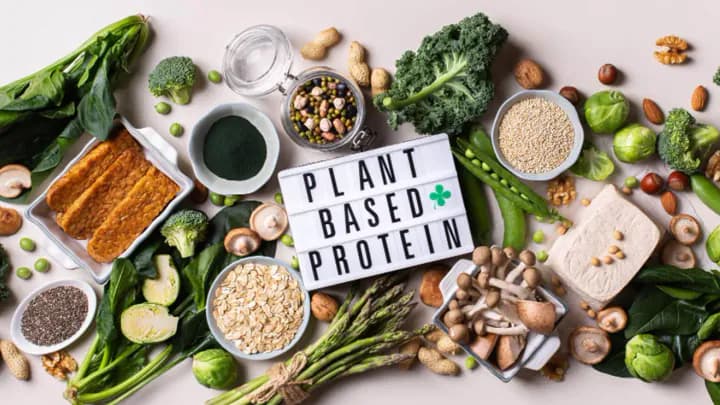
TL;DR: You can hit any realistic protein target without meat. Lentils, tofu, tempeh, edamame, seitan and beans carry the load at 15 to 25 grams per serving; nuts, grains and vegetables fill in the rest. Aim for 20 to 35 grams per meal, eat legumes daily for lysine, and supplement B12 if you are fully vegan.
Plant-based protein is dietary protein sourced from legumes, soy, grains, nuts, seeds and vegetables rather than from animals. The nutrition is well understood at this point, but most articles on the subject stop at a list of foods. The useful part is knowing how much you need, which sources actually move the needle, and where people quietly fall short.
How much protein do you actually need on a meatless diet?
Most healthy adults do well in the range of 0.8 to 1.2 grams of protein per kilogram of body weight daily. Strength training, endurance work, recovery from illness and aging all push that number up, commonly to 1.2 to 1.6 g/kg. For a 150-pound (68 kg) person, that spans roughly 55 to 110 grams a day.
Here is the plant-specific adjustment: protein from whole plant foods is digested and absorbed a little less efficiently than protein from eggs, dairy or meat, largely because of fiber and compounds like phytates. Adding about 10 percent to your target is a reasonable buffer. It is not a crisis-level gap, but it is real enough to matter if you are sitting right at the minimum.
If you have kidney disease, are pregnant, or are managing a chronic condition, protein targets are a medical conversation. Talk to a qualified clinician or registered dietitian before changing intake substantially.
Which plant foods deliver the most protein per serving?
Legumes and soy do the heavy lifting. Seitan is the outlier at the top, and nuts, grains and vegetables are supporting players rather than anchors. The table below uses standard cooked or ready-to-eat servings, since that is how people actually eat.
| Food | Serving | Protein (approx.) | Complete amino profile? | Worth knowing |
|---|---|---|---|---|
| Seitan (wheat gluten) | 3 oz | 20-25 g | No (low lysine) | Highest density; not gluten-free |
| Lentils, cooked | 1 cup | ~18 g | Near-complete | Also iron and 15 g fiber |
| Edamame, shelled | 1 cup | ~17 g | Yes | Freezer staple, ready in 5 minutes |
| Tempeh | 1/2 cup | ~15 g | Yes | Fermented; firmer, nuttier than tofu |
| Black or kidney beans | 1 cup | ~15 g | Near-complete | Canned is nutritionally fine; rinse it |
| Chickpeas | 1 cup | ~14-15 g | Near-complete | Roast for texture, blend for hummus |
| Tofu, firm | 1/2 cup | 10-20 g | Yes | Varies hugely by brand — read the label |
| Quinoa, cooked | 1 cup | ~8 g | Yes | Complete, but low density per calorie |
| Peanuts / peanut butter | 1 oz / 2 tbsp | ~7-8 g | Near-complete | Calorie-dense; easy to overshoot |
| Oats, dry | 1/2 cup | ~5-6 g | No (low lysine) | Good base, weak anchor |
| Spinach, cooked | 1 cup | ~5 g | No | Impressive per calorie, tiny per plate |
| Chia seeds | 2 tbsp | ~4-5 g | No | Fiber and ALA omega-3s |
Notice the shape of that list. Anything under about 8 grams per serving is a contributor, not a base. Building a meal around broccoli and brown rice and calling it "high protein" is how people end up at 45 grams a day while believing they hit 90.
Do you have to combine proteins at the same meal?
No, and this is one of the most persistent pieces of outdated advice in nutrition. The "beans plus rice at every meal" rule was popularized in the 1970s and later walked back by its own author. Your body maintains a circulating pool of amino acids, so legumes at lunch and grains at dinner complement each other perfectly well across the day.
What still matters is the underlying chemistry. Grains and nuts are typically limited in lysine; legumes are typically limited in methionine. Eating legumes or soy every single day is the practical fix, because lysine is the amino acid most likely to run short on a grain-heavy vegetarian diet. Soy, quinoa, buckwheat, hemp and amaranth are complete on their own.
How do you build a 30-gram plant-based meal?
Start with an anchor of 15 to 20 grams, then stack two contributors of 5 to 8 grams each. That formula gets you to 30 without a supplement and without a complicated recipe.
- Lunch bowl: 1 cup lentils (18 g) + 1 cup quinoa (8 g) + 2 tbsp pumpkin seeds (5 g) = 31 g
- Stir-fry: 1 cup firm tofu (~20 g) + 1 cup edamame (17 g) over rice = 40 g+
- Breakfast: 1/2 cup oats (6 g) + soy milk instead of almond (7 g) + 2 tbsp peanut butter (8 g) + chia (4 g) = 25 g
- Weeknight tray: tempeh, chickpeas and vegetables roasted together — our guide to sheet-pan dinners that stay fast and balanced works especially well with plant proteins, since dry heat firms up tofu and tempeh.
The single highest-leverage swap in that list is soy milk for almond milk. Almond milk carries roughly 1 gram of protein per cup; soy milk carries 7 to 8. If you drink two cups a day in coffee and cereal, that swap alone is worth around 14 grams.
What is the most common and costly mistake people make?
They replace a meat item with a vegetable item and assume the protein is equivalent. A chicken breast is about 30 grams; a portobello "burger" is about 3. That is a 27-gram hole, repeated daily, and it is the reason some new vegetarians report fatigue, constant hunger and lost strength in the first two months.
The second mistake is trusting the packaging. Many commercial veggie burgers, meatless nuggets and "plant-based" frozen meals are built on starch, oil and gums, delivering 5 to 9 grams per patty. Our decision rule: check grams of protein per 100 calories. Anything below 4 g per 100 kcal is a carbohydrate food wearing a protein costume. Tofu, tempeh and lentils all clear 7.
The third is the fiber ceiling. Plant protein arrives packaged with fiber, and at very high protein targets — say 140 grams for a large athlete — the volume becomes genuinely uncomfortable. This is where a powder earns its keep, and where paying attention to gut health and gradual fiber increases stops a good diet change from becoming a bloated week.
Are plant protein powders worth buying?
They are a convenience, not a requirement. Pea protein is the most researched of the plant isolates and delivers roughly 20 to 25 grams per scoop with a solid lysine content; rice protein is lower in lysine but higher in methionine, which is why blends of the two are common and sensible. Hemp is lower in protein per scoop but brings fiber and fats.
Choose on three criteria: grams per scoop, a short ingredient list, and third-party testing for heavy metals — plant isolates draw minerals from soil, and reputable brands publish testing. Powders are worth it if you train seriously, have a small appetite, are over 60 and trying to preserve muscle, or simply cannot get past 20 grams at breakfast.
Does plant protein build muscle as well as whey?
At matched doses, research generally shows comparable results for strength and lean mass, with one caveat worth understanding: leucine. Leucine is the amino acid that triggers muscle protein synthesis, and most plant sources contain a little less of it per gram than whey or eggs. The practical workaround is a slightly larger serving — roughly 30 to 40 grams of plant protein per meal rather than 20 to 25 — spread across three or four eating occasions.
Soy and pea are the strongest performers here. If you are pairing a meatless diet with structured training, the aerobic base work described in our Zone 2 cardio training guide pairs well with this eating pattern, since steady-state work is less protein-demanding than heavy lifting blocks.
What nutrients besides protein need attention?
Protein is usually the easy part. The genuinely non-negotiable gap is vitamin B12, which is not reliably available from plant foods — anyone eating fully vegan needs a supplement or consistently fortified foods, full stop. Iron from plants (non-heme) is absorbed less efficiently, so pair lentils and tofu with a vitamin C source such as bell peppers, citrus or tomatoes.
Also watch zinc, iodine, omega-3 DHA/EPA (algae oil is the direct plant source) and calcium if you have dropped dairy. Magnesium tends to improve on a legume-heavy diet, though some people still supplement — we covered the trade-offs in our piece on magnesium glycinate benefits, dosing and safety. None of this replaces bloodwork; if you have been meatless for a year or more, ask your physician about checking B12, ferritin and vitamin D.
When does this advice not apply?
A few honest exceptions.
- Chronic kidney disease. Protein targets are individually prescribed. Do not raise intake based on a general article.
- IBS and FODMAP sensitivity. Beans and lentils are high-FODMAP for many people. Firm tofu, tempeh and canned lentils rinsed thoroughly are usually far better tolerated than chickpeas or kidney beans.
- Thyroid medication. Soy can interfere with levothyroxine absorption. Separate them by several hours and mention your intake to your prescriber.
- Very young children. The fiber and volume of an all-plant diet can limit calorie intake in toddlers. This needs pediatric input, not internet math.
None of this is medical advice, and nothing here diagnoses or treats a condition. It is a framework to bring to a qualified professional.
What about cost and time?
Dried lentils, split peas, canned beans and tofu are among the cheapest protein per gram available in any grocery store — typically a fraction of the cost of chicken or beef. The expensive plant protein is the processed kind: meat-analog patties, bars and boutique powders. If budget is a driver, the ranking is dried legumes first, tofu and tempeh second, powders last.
Time is the real constraint for most households. Batch-cook a pot of lentils or a tray of pressed tofu once a week and the 30-gram meal becomes an assembly job rather than a cooking job.
Key takeaways
- Target 0.8-1.2 g of protein per kg of body weight daily, higher if you train hard, and add roughly 10 percent to account for plant digestibility.
- Anchor every meal with 15-20 g from legumes, soy or seitan; treat grains, nuts and vegetables as contributors, not the base.
- You do not need to combine proteins at the same meal — just eat legumes or soy every day to cover lysine.
- Check protein per 100 calories on packaged meat alternatives; under 4 g per 100 kcal, it is a starch product.
- Vitamin B12 must be supplemented on a fully vegan diet, and iron absorbs better alongside vitamin C.
- Swapping almond milk for soy milk is the single fastest protein upgrade most people can make.
Frequently asked questions
How much protein do I need per day on a plant-based diet?
Most healthy adults do well around 0.8 to 1.2 grams of protein per kilogram of body weight per day, and people training hard or over 60 often aim higher, roughly 1.2 to 1.6 g/kg. Because plant proteins are digested slightly less efficiently than animal ones, adding about 10 percent to your target is a sensible buffer. Individual needs vary, so check with a qualified clinician or registered dietitian.
Do I have to combine beans and rice in the same meal?
No. The old "complementary proteins at every meal" rule has been retired. Your body maintains a pool of free amino acids, so eating legumes at lunch and grains at dinner covers the same gaps. What matters is total daily variety, especially getting enough lysine from legumes and soy.
Which plant food has the most protein per serving?
Seitan tops the list at roughly 20 to 25 grams per 3-ounce serving, followed by tempeh at about 15 grams per half cup and cooked lentils at roughly 18 grams per cup. Edamame, firm tofu and black beans all land in the 15 to 18 gram range per standard serving.
Is soy safe to eat every day?
For most people, yes. Whole and minimally processed soy foods like tofu, tempeh and edamame have a long track record of safe daily use in many populations, and mainstream health bodies do not restrict them. People with thyroid conditions taking levothyroxine should separate soy from their medication by several hours and discuss intake with their physician.
Do I need a plant protein powder?
Only if food alone is not getting you there. Powders are a convenience tool, not a requirement. They are most useful for hard-training athletes, people with small appetites, older adults trying to hit higher targets, and anyone whose fiber intake is already at the ceiling.
Will I get enough iron and B12 without meat?
Iron is achievable from lentils, tofu, pumpkin seeds and fortified foods, especially when paired with vitamin C to improve absorption. Vitamin B12 is the exception: it is not reliably available from plants, so anyone eating fully vegan needs a supplement or consistently fortified foods. Ask a clinician about testing if you have been meatless for a year or more.
Can plant protein build muscle as well as whey?
Yes, when total protein and leucine intake are matched. Studies comparing soy or pea protein with whey generally show similar strength and muscle outcomes at adequate doses, though plant sources often need a slightly larger serving to hit the same leucine threshold of roughly 2.5 to 3 grams per meal.