Eco-Friendly Cleaning Products: What Works, What Doesn't
Eco-friendly cleaners have gone mainstream, but the labels are a minefield and "natural" does not mean "disinfects." Here is what actually distinguishes a genuinely greener product, what it costs, and the mistakes that ruin countertops and budgets.
Rewritten with AI and republished automatically. Our editors set the standards and fix reported errors — how we work.
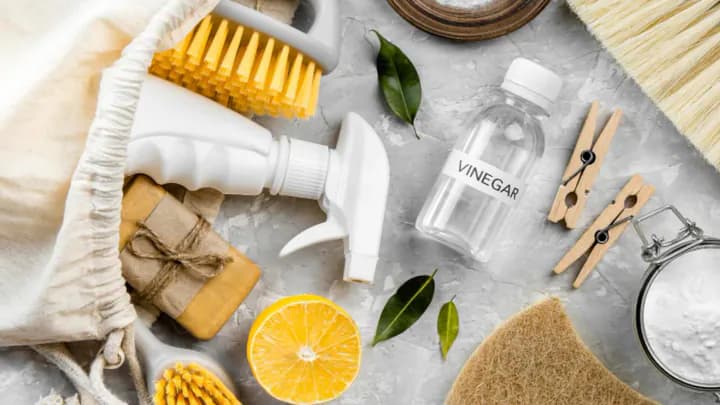
TL;DR: Eco-friendly cleaning products are now as effective as conventional ones for everyday soil, and cheaper per use if you buy concentrates. But "natural" does not mean "disinfects," most green claims on packaging are unregulated, and vinegar ruins stone. Buy certified, buy concentrated, and know when to reach for a registered disinfectant instead.
What makes a cleaning product actually eco-friendly?
An eco-friendly cleaning product is a household cleaner formulated so that its ingredients, packaging, and manufacturing cause measurably less harm to human health and aquatic ecosystems than conventional equivalents. That is the working definition, and notice what it does not say: it says nothing about being "chemical-free," which is marketing language, since water and vinegar are both chemicals.
In practice, four attributes separate the real thing from the rest:
- Readily biodegradable surfactants. The cleaning agents break down quickly in wastewater treatment rather than persisting in waterways. Standardized lab tests exist for this; credible brands reference them.
- Low volatile organic compounds (VOCs) and restricted ingredient lists. Fewer solvents evaporating into your kitchen air, and no phosphates, no chlorine bleach, no nonylphenol ethoxylates.
- Full ingredient disclosure. Every component named on the label or a linked page — not "fragrance" as a catch-all.
- Packaging that shrinks over time. Concentrates, tablets, refill pouches, or post-consumer recycled plastic, rather than a fresh bottle of mostly water on every shopping trip.
Cruelty-free status and biobased content are legitimate additional values, but they are ethical attributes, not performance or environmental ones. Keep the categories separate when you compare.
Do green cleaners disinfect, or just clean?
Most of them clean. They do not disinfect, and in the United States that is a regulatory line, not a quality judgment. Any product making a claim to kill bacteria or viruses must be registered with the EPA as a pesticide and display a registration number. The large majority of plant-based all-purpose sprays are not registered, so they legally cannot claim it.
This matters less than people fear. Cleaning physically removes soil and a substantial proportion of microbes along with it, and for daily kitchen counters, tables, and floors, that is sufficient. The decision rule:
- Clean for routine surfaces: dust, grease, crumbs, fingerprints. A certified plant-based spray handles this completely.
- Sanitize or disinfect after raw meat, during a household illness, in a bathroom shared with someone immunocompromised, or after a diaper change surface. Use a product with an EPA registration number and honor the stated dwell time.
If you want both, look for the Design for the Environment (DfE) logo. That is the EPA's mark for antimicrobial products whose active and inert ingredients have been screened for safer profiles — hydrogen peroxide, lactic acid, and citric acid formulas commonly carry it. The equivalent mark for non-antimicrobial cleaners is Safer Choice. People conflate the two constantly.
The single most common execution error is wiping a disinfectant off after ten seconds. Nearly every registered product requires the surface to stay visibly wet for a specified period, typically several minutes. Wipe it dry early and you have done nothing except spend money.
Which certifications are real, and which labels mean nothing?
Real certifications have published criteria, an auditing body, and a searchable registry. Front-of-bottle adjectives have none of that. "Natural," "eco," "green," "pure," and "non-toxic" are unregulated in household cleaning and can appear on almost anything.
| Label | Who stands behind it | What it actually tells you |
|---|---|---|
| EPA Safer Choice | US Environmental Protection Agency | Every ingredient reviewed against safer-chemical criteria; strong signal for non-disinfecting cleaners |
| EPA Design for the Environment (DfE) | US Environmental Protection Agency | Applies to disinfectants and sanitizers that also meet safer-ingredient screening |
| Green Seal | Independent nonprofit standards body | Lifecycle-based standard covering health, performance, and packaging |
| UL ECOLOGO | UL Solutions | Multi-attribute environmental standard with third-party verification |
| Cradle to Cradle Certified | Independent institute | Material health and circularity across the whole product system |
| USDA Certified Biobased | US Department of Agriculture | Verified percentage of renewable carbon content — not a safety claim |
| "Natural," "eco-friendly," "non-toxic" | The marketing department | Nothing enforceable |
One nuance worth carrying to the store: unscented and fragrance-free are not synonyms. Unscented products sometimes contain masking fragrance to cover the smell of the base formula. If you are avoiding fragrance because of sensitivity, the phrase you need is fragrance-free.
How much do eco-friendly cleaning products cost in 2026?
Per bottle, green cleaners usually cost more than conventional ones. Per use, concentrates and tablets are frequently the cheapest option on the shelf, because you stop paying to ship water. The format you buy matters far more than the brand you buy.
| Format | Typical cost per finished bottle | New plastic per refill | Best for |
|---|---|---|---|
| Ready-to-use green spray | $4–$7 | A full bottle | Trying a product; occasional use |
| Liquid concentrate | $0.50–$1.50 | None after the first sprayer | Heavy users; multi-surface households |
| Refill tablet or pod | $0.75–$2.00 | A foil sachet | Storage-poor kitchens and apartments |
| DIY vinegar and water | Under $0.25 | None | Glass, faucets, sealed tile, general grime |
| Conventional ready-to-use spray | $3–$5 | A full bottle | Benchmark for comparison |
Prices vary by region and retailer; treat these as ordering of magnitude rather than quotes. The honest arithmetic is that a $16 bottle of concentrate that makes twenty sprays beats every ready-to-use option, green or not — provided you actually use all twenty. Half-finished bottles of aspirational cleaner in the back of a cabinet are the most expensive product category in any home. If you are rebuilding household spending generally, the same logic that drives sinking funds for predictable expenses applies here: buy the concentrated version once a year instead of the retail version once a month.
Which DIY cleaners work, and which combinations should you never mix?
Three homemade formulas genuinely earn their place, and several popular ones are chemically pointless or actively dangerous. Start with what works.
All-purpose vinegar spray
Equal parts white vinegar and water. Excellent on glass, chrome fixtures, sealed ceramic tile, and greasy stovetops. Add a few drops of essential oil only if no cats live in the home (see the caution below). Make it fresh every few weeks and label the bottle.
Baking soda paste
Three tablespoons of baking soda with just enough water to form a paste. This is a mild abrasive plus a mild alkali — ideal for sink basins, tubs, cooktops, and the inside of an oven door. Rinse thoroughly, because dried residue leaves a chalky film.
Streak-free glass cleaner
Two cups water, half a cup vinegar, and a teaspoon of cornstarch. The cornstarch is the trick — it provides gentle abrasion that lifts the film left by previous commercial cleaners. Shake before every use, because it settles within minutes, and finish with a dry microfiber cloth.
The combinations to avoid
- Bleach plus vinegar or any acid. Releases chlorine gas. This is the single most dangerous kitchen mixture and it happens accidentally when people pour two cleaners into one bucket.
- Bleach plus ammonia. Produces chloramine vapors. Many glass cleaners are ammonia-based.
- Hydrogen peroxide plus vinegar in one bottle. Creates peracetic acid, an irritant. Used sequentially on a surface, with a rinse between, they are fine; stored premixed, they are not.
- Castile soap plus vinegar. Not dangerous, just useless. The acid breaks the soap apart into a white curd that smears rather than cleans. This recipe circulates constantly online and has never worked.
When should you not use a green cleaner?
There are four situations where the eco-first instinct costs you money or safety, and an honest guide has to name them.
Natural stone. Vinegar and citric acid etch marble, travertine, limestone, and many honed surfaces, and they degrade sealant on granite. The damage is permanent and refinishing a countertop costs vastly more than a bottle of pH-neutral stone cleaner. Same caution for unsealed grout and waxed hardwood.
Mold on porous materials. Surface wiping — with any product — does not address mold growing inside drywall or subfloor. That is a moisture problem and a remediation question, not a cleaning-aisle question.
Medical vulnerability in the household. If someone is immunocompromised, recovering from surgery, or an infant under care, follow clinical guidance on disinfection rather than a general lifestyle article. Talk to a qualified healthcare professional about what your household actually needs.
Homes with cats. Cats metabolize certain plant compounds poorly, and tea tree oil in particular has been linked to toxicity in cats and small dogs. Skip essential oils on floors and low surfaces, and check with your veterinarian before introducing scented cleaners.
None of this argues against switching. It argues for matching product to surface, which is the skill that separates a clean home from an expensively damaged one.
How do you switch without wasting money or a weekend?
Replace by attrition, not by purge. Throwing out half-used conventional cleaners creates waste and guarantees the switch feels expensive. When a bottle empties, replace that one with a certified alternative, and stop there until the next bottle empties.
- Start with the kitchen spray. It is the product you use most and the one whose fumes you inhale nearest to food.
- Consolidate. Most homes need four products: an all-purpose spray, a bathroom acid cleaner, a dish liquid, and one registered disinfectant held in reserve. Specialty cleaners for every surface are a marketing construct.
- Invest in microfiber. Good cloths reduce how much product any formula needs, green or otherwise, and they are the cheapest performance upgrade available.
- Set up a refill station. One shelf, one concentrate, two labeled sprayers. Friction is what kills the habit.
- Check ingredient lists, not front labels. Ninety seconds of reading defeats almost all greenwashing.
The routine sticks more easily when the home supports it. A hard-working entryway setup that catches shoes and grit in the first three feet keeps a remarkable amount of soil out of the rest of the house, and a calmer, less cluttered bedroom is simply faster to clean with anything. Reducing what you clean beats optimizing what you clean with. Some families report fewer irritation complaints after cutting fragranced products, which is plausible and worth trying — though individual results vary and cleaner choice is only one of many indoor air variables.
Key takeaways
- Trust certifications with auditors — Safer Choice, DfE, Green Seal, ECOLOGO, Cradle to Cradle — and ignore "natural" and "non-toxic" on the front of a bottle.
- Green cleaners clean; they generally do not disinfect. Keep one EPA-registered product for illness and raw-meat surfaces, and respect its dwell time.
- Buy concentrates or tablets. That single choice makes the switch cheaper than conventional cleaners rather than more expensive.
- Never mix bleach with acids or ammonia, never store hydrogen peroxide with vinegar, and never bother mixing castile soap with vinegar.
- Keep vinegar off marble, travertine, limestone, and waxed wood — permanently.
- Switch one product at a time as bottles empty; a purge wastes both money and material.
Frequently asked questions
Do eco-friendly cleaning products actually disinfect?
Most do not, and that is a legal distinction rather than an insult. In the US, any product claiming to kill viruses or bacteria must be registered as a pesticide with the EPA, and the majority of plant-based all-purpose cleaners are not. They remove soil, grease, and a large share of surface microbes through physical removal. When you genuinely need disinfection, look for an EPA registration number plus the Design for the Environment (DfE) logo, which marks antimicrobial products screened for safer ingredients.
Is vinegar a good household disinfectant?
No. Vinegar is a capable degreaser, limescale remover, and glass cleaner, but it is not an EPA-registered disinfectant and should not be relied on during a stomach bug or after handling raw poultry. It also etches marble, travertine, limestone, and unsealed grout, and it dulls waxed wood finishes. Use it for windows, faucets, kettles, and general grime, not for pathogen control on high-risk surfaces.
Are eco-friendly cleaners more expensive than conventional ones?
Per bottle, often yes. Per use, frequently no. Concentrates and refill tablets typically land under a dollar per refilled bottle once you own the sprayer, which is competitive with mid-tier conventional cleaners and far cheaper than premium ready-to-use green sprays. DIY vinegar spray costs pennies. The expensive route is buying a new plastic bottle of ready-to-use product every time.
Which eco-cleaning certifications are worth trusting?
EPA Safer Choice, Green Seal, UL ECOLOGO, and Cradle to Cradle Certified are third-party or government programs with published ingredient criteria and audits. USDA Certified Biobased states the percentage of renewable carbon. Uncertified words on the front label — natural, eco, green, plant-derived, non-toxic — carry no enforceable standard and are the main vehicle for greenwashing.
Are essential oils in cleaners safe around pets?
Not universally, and cats are the main concern. Cats lack an efficient liver pathway for metabolizing certain plant compounds, and tea tree oil in particular has been associated with toxicity in cats and small dogs. Consult your veterinarian before using essential-oil-based cleaners in a home with cats, birds, or small pets, and favor fragrance-free formulas for floors and low surfaces.
Which cleaning ingredients should never be mixed?
Never combine bleach with vinegar or any acid, which releases chlorine gas, and never mix bleach with ammonia. Do not store hydrogen peroxide and vinegar together in one bottle, as the resulting peracetic acid is an irritant. Castile soap plus vinegar is harmless but useless — the acid breaks the soap into a white curd that smears instead of cleaning.
Does switching to green cleaners help people with asthma or allergies?
Fragrance-free, low-VOC products reduce the volume of airborne irritants in a home, which many households find helpful. That said, symptom relief varies by individual and by trigger, dust and dander often matter more than cleaner choice, and no cleaning product treats a respiratory condition. Anyone managing asthma, eczema, or chemical sensitivity should work with a qualified healthcare professional.
What is the difference between unscented and fragrance-free?
Fragrance-free means no fragrance materials were added. Unscented can mean masking fragrance was added to neutralize the base smell of the formula. If you are avoiding fragrance for sensitivity reasons, the word you want on the label is fragrance-free, backed by a full ingredient list.