Quiet Luxury in 2026: How to Master the Look
Quiet luxury is evolving in 2026, moving past logos toward fabric, fit, and intention. Here is how to build the look without overspending.

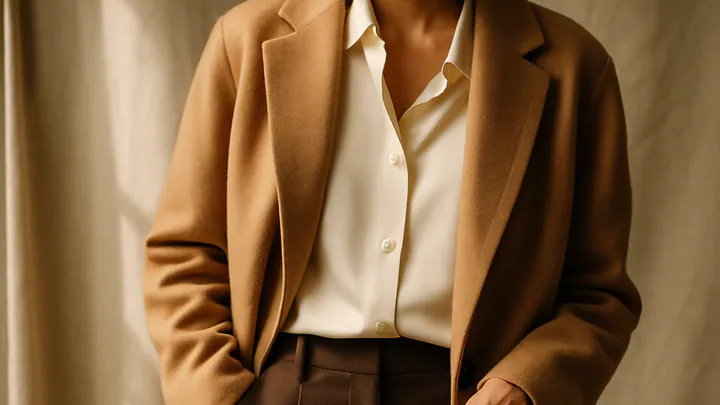
TL;DR: Quiet luxury in 2026 is less about a strict beige uniform and more about deliberate fabric choices, precise fit, and a tightly edited color story. The look has matured into a flexible style philosophy built on natural fibers, considered tailoring, and pieces designed to last several seasons. You do not need a luxury budget to participate, but you do need patience, label-reading skills, and a clear sense of what already works in your closet.
Over the past three years, our team at Daily Cruncher has tracked the quiet-luxury conversation from runway curiosity to mainstream wardrobe shift. In 2026 it is no longer a trend cycle — it is a baseline expectation for how a refined wardrobe should feel. Below, we break down what the look means now, what to buy, what to skip, and how to make it your own without falling into the trap of dressing like a hotel concierge.
What quiet luxury actually means in 2026
The phrase entered popular vocabulary around 2023, fueled by prestige television and a backlash against logo-saturated streetwear. Three years on, the definition has settled. Quiet luxury is a wardrobe approach that values materials, construction, and proportion above visible branding. It does not require a specific silhouette or price point — it requires intention.
In 2026, the aesthetic has loosened in two important ways. First, the palette has expanded beyond camel and cream to include muted forest, oxblood, ink, and warm cocoa. Second, texture is doing more of the talking: brushed wool, raw silk, waffle-knit cashmere, and slubbed linen now carry the visual interest that logos once did. According to the Business of Fashion's State of Fashion 2024 report, consumers have shifted spending toward fewer, higher-quality pieces — a behavior that has held steady through this year.
The shift away from strict neutrals
Early quiet luxury was almost monochromatic. The 2026 version permits a third or fourth color in the wardrobe rotation, as long as it is muted and harmonizes with the base neutrals. A burgundy crewneck over an oat trouser, or an olive overshirt with ivory denim, reads as quietly luxurious so long as the fabrics and fit are right.
The five pillars of the look
Whenever we audit a wardrobe for this aesthetic, we return to the same five criteria. Use them as a checklist before adding anything new.
- Fiber content: Natural fibers should dominate. Wool, cashmere, silk, linen, cotton, and quality leather age gracefully; high-synthetic blends rarely do.
- Fit: Shoulder seams should sit on the shoulder. Trouser breaks should be intentional. A tailor is a quieter investment than a designer label.
- Color discipline: Limit your palette to roughly six to eight colors that all flatter each other.
- Construction details: Look for finished seams, real horn or corozo buttons, lined jackets, and reinforced stress points.
- Restraint: One focal piece per outfit. If the coat is the statement, the bag, shoes, and jewelry should recede.
Building the wardrobe piece by piece
You do not need to overhaul your closet in a weekend. We recommend a slow, deliberate build over six to twelve months. Start with the items you wear most often, since upgrading frequency drives the best return on cost-per-wear.
The foundational ten
- A tailored wool coat in camel, charcoal, or chocolate
- Two pairs of well-cut trousers — one wool, one cotton or linen
- A crisp white cotton or silk-blend button-down
- One merino or cashmere crewneck in a neutral tone
- A simple knit polo or fine-gauge turtleneck
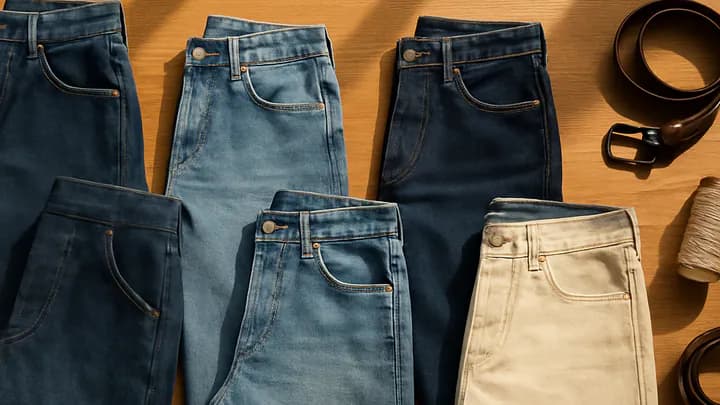
- Dark, unwashed denim with a straight or slight bootcut leg
- Leather loafers or low-profile boots in brown or black
- A structured leather tote or shoulder bag in a neutral hue
- A silk scarf or fine knit accessory for layering
- One blazer in a textured wool or wool-silk blend
This list intentionally skips items that date quickly — heavily branded sneakers, novelty prints, or seasonal microtrends. Pew Research Center surveys on consumer spending have repeatedly shown that shoppers regret fast-fashion purchases at far higher rates than considered ones, which aligns with what we hear from readers.
How to shop smarter, not pricier
The most common misconception about quiet luxury is that it requires a four-figure coat. It does not. The look depends on signals — drape, weight, hand-feel, and proportion — that exist at many price points if you know how to spot them.
Read labels before you read price tags
Flip the garment inside out. A wool coat at 90% virgin wool will outperform a wool coat at 40% wool blended with acrylic, even if the second one costs more. The U.S. Federal Trade Commission requires fiber content disclosure on most apparel sold in the United States, which makes label-reading one of the most reliable tools we have.
Use the resale market strategically
Platforms specializing in pre-owned designer and contemporary clothing have matured significantly. Cashmere sweaters, leather bags, and tailored coats often appear in excellent condition at a fraction of original retail. We suggest filtering by fiber content and measurements rather than brand alone.
Invest in alterations
A modest-priced jacket that fits perfectly will always look more expensive than a designer jacket that fits poorly. Budget for a tailor the same way you budget for the garment itself. Hemming trousers, taking in a waist, or shortening sleeves typically costs less than dinner out.
Common mistakes to avoid
As the aesthetic has spread, certain pitfalls have become common. Watching for them will save you money and frustration.
- Treating the look as a uniform: Wearing identical beige outfits every day reads as costume, not style. Vary texture and silhouette.
- Confusing plain with quality: A cheap blank T-shirt is still a cheap blank T-shirt. Plain design does not equal premium construction.
- Over-investing in one category: A $2,000 coat over a $15 polyester shirt looks unbalanced. Spread quality across the outfit.
- Ignoring care instructions: Natural fibers require thoughtful washing, storing, and occasionally professional cleaning. Skipping this shortens the lifespan dramatically.
How the look adapts to different bodies, climates, and budgets
One reason the aesthetic has staying power is that it is not tied to a particular body type or geography. The principles — fabric, fit, restraint — translate everywhere. In warm climates, swap wool for linen and heavyweight cotton; in cold climates, layer fine knits under heavier coats rather than buying one bulky outer piece.
For tight budgets, focus first on the two or three garments you wear most days. For many readers, that is denim, a knit, and outerwear. Upgrading those three categories will shift the look of an entire wardrobe more than chasing accessories.
Key takeaways
- Quiet luxury in 2026 prioritizes fabric, fit, and restraint over logos or trend pieces.
- The palette has expanded beyond strict neutrals to include muted accent tones like burgundy and forest green.
- Natural fibers, finished construction, and intentional proportions are the defining signals.
- You can achieve the look at many price points by reading labels, using resale, and investing in alterations.
- Avoid treating the aesthetic as a uniform — texture and silhouette variation keep it from feeling like costume.
- Upgrade your most-worn categories first for the biggest visible shift.
Editorial note: This article is general style guidance from the Daily Cruncher editorial team. We are not affiliated with any of the brands or platforms referenced, and no compensation was received for this piece.
Frequently asked questions
What exactly is quiet luxury?
Quiet luxury is a style philosophy that prioritizes premium fabrics, precise tailoring, and understated design over visible logos or trend-driven flash. The aim is to look quietly expensive through quality and fit rather than branding.
Is quiet luxury still relevant in 2026?
Yes. While the term peaked in 2023, the underlying values of craftsmanship, restraint, and longevity have settled into mainstream wardrobes. In 2026 the look is softer, more textural, and less rigidly neutral.
Do I need to spend a fortune to achieve the look?
No. The aesthetic is more about fabric content, fit, and color discipline than price tags. Thrifted cashmere, well-tailored thrift finds, and a few mid-priced staples can deliver the look convincingly.
What colors define quiet luxury in 2026?
Expect warm neutrals such as ivory, camel, taupe, oat, espresso, and soft charcoal. Muted greens and burgundy are emerging accent tones, replacing the strict beige-on-beige palette of earlier seasons.
What fabrics should I look for?
Prioritize natural fibers: merino wool, cashmere, silk, linen, cotton poplin, and high-grade leather. Check labels for fiber content and weight, since blends with high synthetic percentages tend to pill and lose shape quickly.
How is quiet luxury different from minimalism?
Minimalism focuses on reducing the number of items and visual noise. Quiet luxury overlaps but emphasizes elevated materials and tailoring. You can be a maximalist quiet-luxury dresser if every piece is beautifully made.
Are logos completely off-limits?
Not entirely, but they should be subtle. A small embroidered detail or a discreet hardware accent is acceptable; oversized monograms and loud brand prints run counter to the aesthetic.