Solo Travel in 2026: Confident, Safe & Rewarding
Planning a trip on your own in 2026? Our practical guide covers destination picks, safety habits, budgeting, and the mindset shifts that make solo travel genuinely rewarding.

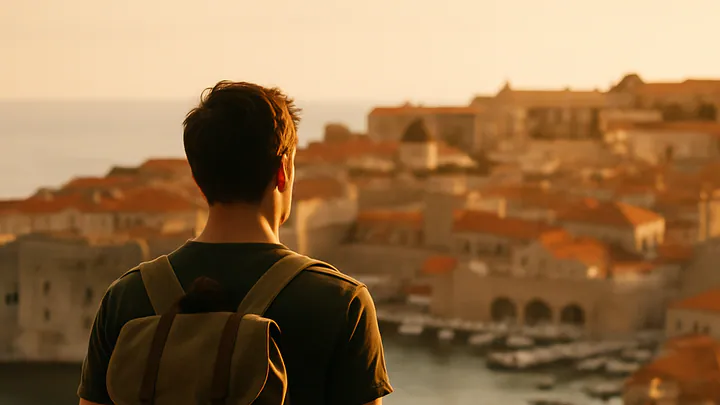
TL;DR: Solo travel in 2026 is more accessible than ever, thanks to better transit apps, wider hostel-and-guesthouse networks, and easier remote payments. The keys to a great trip are choosing a destination that matches your experience level, building safety habits that become second nature, budgeting with a realistic buffer, and staying open to spontaneous plans. Below, we walk through how to plan, pack, stay safe, and actually enjoy the quiet moments that make traveling alone so rewarding.
Why solo travel is having a moment in 2026
Traveling alone used to feel like a fringe choice. Today it's mainstream — and for good reason. Flexible work has untethered a lot of people from rigid vacation calendars, and the tools that make solo travel practical (real-time translation, offline maps, easy digital payments, small-group tours you can join on short notice) are better than they've ever been.
We also see a mindset shift. More travelers say they want a trip shaped around their own curiosity — not a compromise between four schedules and three appetites. Solo travel delivers that. You choose the pace, the neighborhood, the museum you linger in, and the café you return to three mornings in a row.
Picking the right first (or next) destination
The best solo destination for you depends on your comfort with unfamiliar transit, your budget, and how much social contact you want. A few rules of thumb our team relies on:
- Walkable city cores make everything easier. If you can walk from your accommodation to food, cafés, and a train station, you'll feel oriented within a day.
- Reliable public transit is a game changer. Cities with clear metro systems and integrated payment cards spare you from constant taxi negotiations.
- An active hostel or guesthouse scene means built-in social opportunities without pressure. Even if you book private rooms, common areas help.
- A language you can navigate — either one you speak, or one where English signage and translation apps work smoothly.
Popular starter destinations for solo travelers include Japan (safe, punctual, endlessly interesting), Portugal (affordable and warm-hearted), the Netherlands (walkable and bike-friendly), New Zealand (organized adventure travel), and parts of Scandinavia (calm, orderly, easy to navigate). More seasoned solo travelers often venture into Southeast Asia, Central and South America, and less-touristed parts of Eastern Europe.
Match the trip length to the destination
A common mistake is trying to see too much. For a first solo trip, we suggest one country and no more than three bases in 10–14 days. Slower movement means deeper enjoyment, cheaper transit, and more chances to actually meet people.
Building safety habits that stick
Safety on the road is less about avoiding scary places and more about consistent small habits. Solo travelers who do well tend to share the same routines:
- Share your itinerary and daily location with someone at home. A shared note or a location-sharing app works well.
- Keep a photo of your passport and insurance details in a private cloud folder and on paper in your bag.
- Split your money and cards. Carry a small amount for the day; leave the rest secured at your accommodation.
- Trust discomfort. If a taxi, street, or situation feels wrong, leave. You don't owe anyone politeness at your own expense.
- Arrive in new cities during daylight when possible. Your first hour is when you're most disoriented.
- Choose accommodations with strong recent reviews from other solo travelers, especially women traveling alone.
None of these are dramatic. They're just small habits that compound.
Budgeting realistically
Solo travel costs a little more per person than couple or group travel because you can't split rooms or private transport. That's the honest math. But there are practical ways to soften the gap.
- Choose hostels with private rooms when you want quiet but still want the social common areas.
- Cook a few meals. Even a grocery-store breakfast saves meaningful money over a two-week trip.
- Use regional trains and buses rather than short-haul flights when the route allows. Cheaper, greener, and often more scenic.
- Travel in shoulder season. Late spring and early autumn typically offer lower prices and thinner crowds.
- Build a 15–20 percent buffer for unexpected costs — a missed connection, a spontaneous day trip, a rainy-day museum ticket.
Track your spending lightly with a notes app or budgeting tool. You don't need spreadsheets; you just need to know roughly where you are so you can say yes to the good surprises.
The insurance question
Travel insurance is one of those purchases you hope to never use. For solo travelers especially, it's worth including basic medical and evacuation coverage. Read the exclusions carefully — adventure activities, pre-existing conditions, and rental vehicles often need add-ons.
Packing light without regretting it
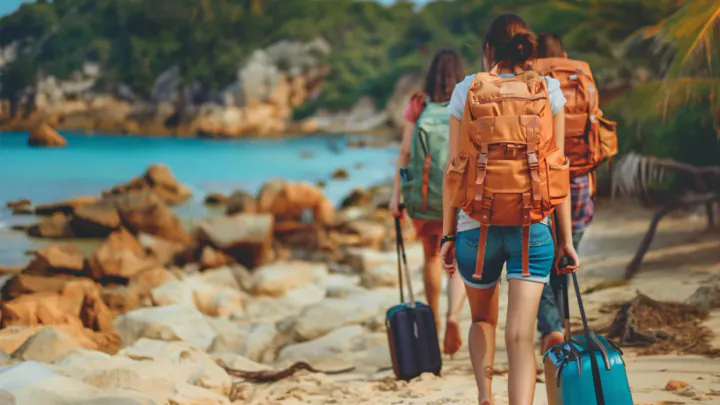
Solo travelers move often, and every extra kilogram is one you carry up train station stairs alone. Our packing philosophy is boring on purpose: fewer items, better items, chosen to layer.
- One versatile jacket suited to your destination's climate.
- Three to five tops that mix and match with two bottoms.
- Comfortable walking shoes you've already broken in — not new ones.
- A small crossbody or anti-theft day bag.
- A portable charger, universal adapter, and offline maps downloaded before you go.
- Basic medications, plus copies of any prescriptions.
Aim to fit everything in a carry-on. It saves airline fees, avoids lost luggage, and forces the useful discipline of packing what you'll actually wear.
How to meet people (without forcing it)
One of the quiet worries of first-time solo travelers is loneliness. It's real, but manageable. The trick is to build in social touchpoints a few times per week rather than expecting company every night.
- Walking tours on your first day in a new city — they orient you and often lead to dinner plans.
- Cooking classes, wine tastings, or half-day workshops.
- Hostel common rooms, even if you're not staying at the hostel — many welcome outside guests to bar or event nights.
- Coworking spaces, if you're mixing remote work with travel.
- Small-group day trips booked through your accommodation.
Some of the best conversations happen at communal café tables or on long train rides. Be approachable, but also allow yourself the pleasure of a quiet dinner with a book. Both are part of solo travel.
The mindset shift that makes it work
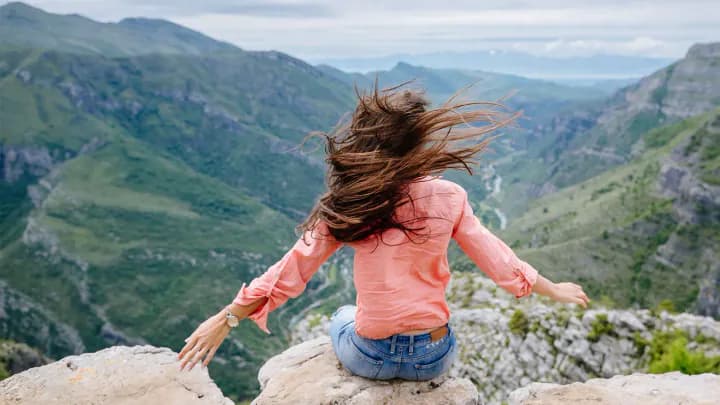
Traveling alone can feel exposed for the first day or two. You'll notice yourself more — how you order coffee, how you fill an afternoon, how you handle a delayed train. That awareness is the gift. By day four or five, most solo travelers describe a kind of settling in: the trip stops being a performance and starts being a life you're living for a couple of weeks.
Give yourself permission to change plans. Stay an extra day where you're happy. Skip the museum you thought you'd love if the sunny park is calling. Solo travel rewards flexibility more than any other kind.
Key takeaways
- Start with a destination that has good transit, walkable neighborhoods, and a friendly guesthouse scene.
- Build safety habits — shared itinerary, split money, daylight arrivals — until they're automatic.
- Budget honestly and add a 15–20 percent buffer for the unexpected.
- Pack carry-on only; you'll move more freely and stress less.
- Schedule a few social touchpoints per week, and let the quiet moments be part of the trip.
- Give yourself permission to change the plan. That flexibility is the whole point.
Editorial note: This article is general travel guidance and does not constitute legal, medical, or financial advice. Visa rules, health requirements, and safety conditions change frequently. Before booking, check official government travel advisories for your destination, confirm entry requirements with the relevant embassy or consulate, and consult a qualified professional for questions about travel insurance, vaccinations, or personal safety planning.
Frequently asked questions
Is solo travel safe in 2026?
Solo travel can be very safe when you research your destination, share your itinerary with someone at home, and rely on well-reviewed accommodations and transport. Most solo travelers report that street-smart habits matter more than the destination itself.
What are good destinations for a first solo trip?
First-time solo travelers often do well in places with strong tourism infrastructure, walkable cities, and reliable public transit, such as Japan, Portugal, the Netherlands, New Zealand, and parts of Scandinavia. These regions tend to have clear signage in English and hostels or guesthouses that make it easy to meet other travelers.
How much should I budget for solo travel?
Budgets vary widely by region, but expect solo travel to cost a bit more per person than group travel because you can't split accommodation. Building in a buffer of 15–20 percent for unexpected costs is a sensible habit.
How do I meet people while traveling alone?
Group activities like walking tours, cooking classes, hostel common rooms, coworking spaces, and small-group day trips are reliable ways to meet fellow travelers. Being open to conversation at cafés and shared tables also helps.
What should I pack for a solo trip?
Pack light with versatile clothing, a secure day bag, backup payment cards stored separately, offline maps, a portable charger, and copies of your key documents. Less luggage means more mobility and less stress on transit days.
Is solo travel lonely?
Some moments will feel quiet, and that's part of the experience. Most solo travelers find that the freedom to set their own pace outweighs the occasional loneliness, especially when they build in social activities a few times per week.