Digital Declutter in 2026: Reclaim Your Focus
A practical 2026 guide to digital decluttering — clear your phone, inbox, and notifications so your attention finally belongs to you again.

TL;DR: A digital declutter in 2026 isn't about deleting everything — it's about keeping only the apps, files, and notifications that earn their place. In a weekend, you can clear your home screen, tame your inbox, silence the buzz, and set up a simple weekly rhythm that protects your attention all year. We'll walk through the exact steps our team uses, plus what to keep, what to archive, and what to delete without guilt.
If your phone feels heavier than it should and your inbox greets you with four-digit unread counts, you're not lazy — you're living in a system designed to capture attention. The good news is that a focused reset takes far less time than people expect, and the benefits show up almost immediately in sleep, mood, and productivity.
Why a digital declutter matters more in 2026
The average smartphone user now interacts with their device many times a day. Every swipe, badge, and buzz pulls a small slice of attention. Over a week, those slices add up to hours of fragmented focus.
Constant notification checking is associated with higher self-reported stress levels, particularly among people who feel obligated to stay reachable for work. And many adults — especially younger ones — describe themselves as wanting to spend less time on their phones, not more.
That's the cultural backdrop heading into 2026: more devices, more channels, more synced accounts — and a quiet but powerful desire to take some of that attention back. A digital declutter is how we do it.
Before you start: a 10-minute prep
A little setup makes the rest painless. Spend ten minutes on these three steps before you delete anything.
- Back up your phone and computer. Use your device's built-in cloud backup or an external drive. This is non-negotiable.
- Create an "Archive" folder. One on your computer, one in your email. Anything you're unsure about goes here instead of the trash.
- Decide your "why." Write one sentence: I want my phone to help me focus on ___. Every decision later becomes easier when measured against that sentence.
Step 1: Reset your phone's home screen
Your home screen is the front door of your digital life. If the first thing you see is a wall of red badges, your day starts in a defensive posture.
The one-screen rule
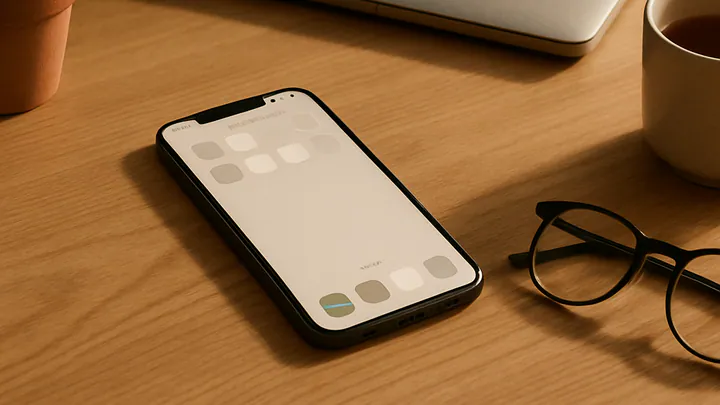
We aim for a single home screen with no more than 12–16 apps — the tools you genuinely use daily. Everything else moves into the app library or a single "Other" folder swiped one screen over. This isn't aesthetic minimalism; it's friction. A small extra step to open an app is often enough to break a compulsive check.
The 30-day test
Open Settings and find your screen time or digital wellbeing report. Sort apps by usage. Any app you haven't opened in 30 days is a strong candidate for deletion. Be honest: you can always reinstall it in two minutes if you genuinely need it later.
Sort by purpose, not category
Instead of folders called "Social" or "Games," try folders based on intent: Create, Connect, Move, Read, Admin. This subtle shift reminds you why you're picking up the phone in the first place.
Step 2: Tame the notification flood
Notifications are the single highest-leverage thing to fix. Most apps default to maximum interruption because that's what serves the app — not you.
Our rule of thumb: a notification has earned a spot on your lock screen only if it comes from a real human, or if missing it has a real consequence. Everything else gets demoted.
- Allow sound + banner: calls, texts from saved contacts, calendar alerts, two-factor authentication codes.
- Allow silent (no sound, no banner): work chat apps, email, delivery updates.
- Turn off entirely: news apps, social media, shopping, games, most marketing notifications.
On both major mobile platforms you can do this in bulk through the notifications settings panel. Block off 20 minutes and walk down the list app by app. You'll only do this once a year.
Step 3: Detox your inbox
Email is where digital clutter compounds the fastest. The goal isn't "inbox zero" forever — it's an inbox you can scan in under five minutes.
The three-folder system
We use just three folders beyond the inbox: Action (needs a reply or task), Waiting (sent, expecting a response), and Archive (everything else, searchable). Complex labyrinths of folders rarely survive contact with a busy week.
Unsubscribe aggressively
For one full week, every promotional email gets unsubscribed instead of deleted. Most inboxes lose a significant share of their volume within a month. Tools built into Gmail and Outlook can surface subscriptions automatically; the U.S. Federal Trade Commission also reminds consumers that legitimate senders are legally required to honor unsubscribe requests.
Filter, don't sort manually
Receipts, newsletters, and notifications can be auto-archived with a single filter rule per sender. Spend 30 minutes building filters once and reclaim hours every month.
Step 4: Clean up files, photos, and downloads
Storage is cheap, but mental overhead isn't. A bloated photo library you never browse is still a small weight.
- Photos: use built-in tools to find duplicates, blurry shots, and screenshots older than 90 days. Most people can safely delete thousands of screenshots without noticing.
- Downloads folder: sort by date, keep anything from the last 30 days, archive the rest in one zipped folder labeled with the year.
- Desktop: if your desktop has more than 12 icons, move everything into a single dated folder. Pull items back out only as you need them.
- Cloud drives: review shared folders and revoke access you no longer need. This is also a quiet security win.
Step 5: Audit accounts and subscriptions
Old accounts are clutter you can't see — until a breach notification arrives. The U.S. Cybersecurity and Infrastructure Security Agency recommends regularly reviewing online accounts and closing those you no longer use, in part to reduce your exposure when a service is compromised.
Make a quick list of:
- Streaming and software subscriptions — cancel anything unused for 60 days.
- Shopping accounts on sites you visit less than twice a year — delete the account, not just the saved card.
- Old social profiles you no longer maintain — archive any content you want to keep, then deactivate.
Step 6: Build a maintenance rhythm
A declutter that doesn't have a maintenance plan slowly reverts. Our team uses a simple cadence:
- Weekly (10 minutes, Friday afternoon): clear inbox to under 20 messages, empty downloads folder, delete screenshots.
- Monthly (30 minutes): review screen time report, prune one app you've stopped using, check subscriptions.
- Quarterly (one focused hour): back up devices, review notification settings, audit one account category.
What changes when you actually do it
People who complete a thorough digital declutter often describe the same handful of effects within two weeks: better sleep because the phone leaves the bedroom, longer attention spans because notifications no longer interrupt deep work, and a small but real sense of agency. Reducing evening screen exposure can support healthier sleep patterns — and that benefit alone is worth the weekend.
You don't need a new app, a new planner, or a new device. You just need fewer of the ones you already have, set up to serve the life you actually want.
Key takeaways
- Start with a backup and a one-sentence intention before deleting anything.
- Aim for one home screen, a handful of intent-based folders, and silent-by-default notifications.
- Use a three-folder email system and unsubscribe aggressively for one week.
- Close dormant accounts and review subscriptions quarterly to cut hidden clutter.
- Maintain with a 10-minute weekly tidy and a one-hour quarterly review.
- The goal isn't a minimal phone — it's a focused life.
Editorial note: this article is general lifestyle guidance, not professional advice. If digital habits are significantly affecting your sleep, mental health, or work, we recommend speaking with a qualified professional who can offer support tailored to your situation.
Frequently asked questions
What is a digital declutter?
A digital declutter is the deliberate process of removing unused apps, files, notifications, and subscriptions from your devices so the tools you keep actually support your goals. It's the digital equivalent of cleaning out a cluttered drawer.
How long does a full digital declutter take?
Most people can complete a meaningful first pass in a single weekend — roughly four to six focused hours. Maintaining it takes about 15 minutes a week, and a deeper review every quarter keeps things from creeping back.
Will I lose important files or photos if I declutter?
Not if you back up first. Before deleting anything, copy your photos and key documents to a trusted cloud service or external drive. Then archive — rather than permanently delete — anything you're unsure about for at least 30 days.
How many apps should I keep on my phone?
There's no universal number, but a useful test is whether you've opened the app in the last 30 days and whether it serves a clear purpose. Many people comfortably trim down to 20–40 apps without losing functionality.
Does turning off notifications actually help focus?
Yes. Research from institutions like the American Psychological Association suggests that frequent interruptions fragment attention and increase stress. Silencing non-essential notifications reduces those micro-disruptions and helps you return to deep work faster.
How often should I redo a digital declutter?
We recommend a light weekly tidy, a focused monthly check on inbox and downloads, and a deeper seasonal review every three months. This rhythm prevents the slow buildup that makes digital clutter feel overwhelming.