Weight-Loss Recipes That Actually Keep You Full
Bland salads don't cause weight loss and chili powder doesn't burn fat. What actually works is building every meal around roughly 30g of protein, 8-10g of fiber, and a large volume of vegetables — here's how that looks across a real day.
Rewritten with AI and republished automatically. Our editors set the standards and fix reported errors — how we work.
TL;DR: A recipe helps you lose weight when it delivers about 30g of protein, 8-10g of fiber, and a large volume of vegetables for a modest calorie cost. No ingredient burns fat. Build meals to that template, control the oil and the liquid calories, and the deficit takes care of itself.
The old framing — flavorless chicken and sad lettuce — was never the actual requirement. Neither is the opposite claim that certain foods torch calories on their own. This is a guide to the middle ground that works: food you'd choose to eat, engineered so that you stop before you've eaten too much.
One note before we start: this is general food information, not medical or nutritional advice for your situation. If you have a metabolic condition, take medication that affects appetite or blood sugar, are pregnant, or have a history of disordered eating, talk to a qualified professional before changing how you eat.
What actually makes a recipe a "weight-loss recipe"?
A weight-loss recipe is a meal engineered to produce a high level of fullness per calorie. That's the whole definition. It does it through three levers: protein, which is the most satiating macronutrient; fiber, which slows digestion and adds bulk; and water-heavy volume from vegetables, which fills the stomach for almost nothing.
Everything else — the spices, the cuisine, the cooking method — is flavor strategy. Flavor matters enormously, because a meal you don't enjoy is a meal you'll abandon in eleven days. But flavor isn't the mechanism. Satiety per calorie is.
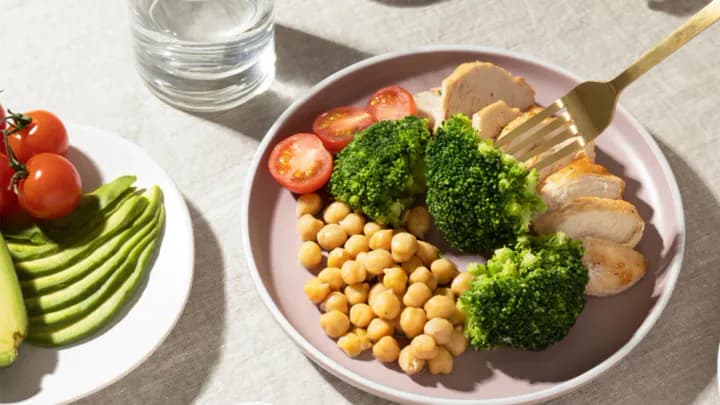
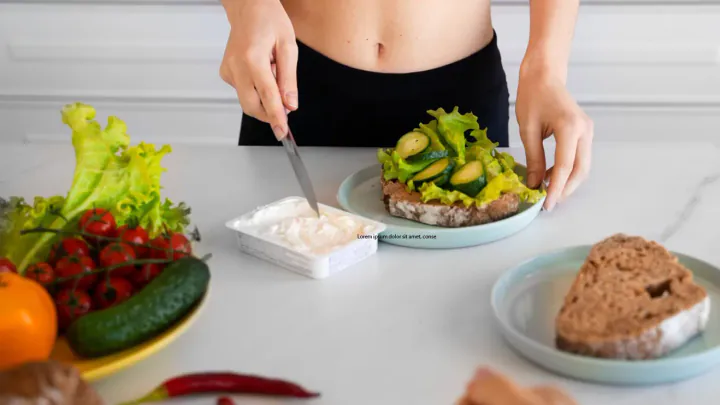
Our working template for a main meal: a palm-plus of protein, two fists of vegetables, one cupped hand of a smart carb, one thumb of added fat. If a recipe fits that shape, it belongs in the rotation regardless of what it's called.
Which foods give the most fullness per calorie?
The best-value ingredients are the ones that stack protein and fiber in the same bite, or that add enormous volume for nearly nothing. Here's how common staples compare on the numbers that matter.
| Ingredient | Serving | Protein | Fiber | Best role |
|---|---|---|---|---|
| Chicken breast | 4 oz cooked | ~35 g | 0 g | Anchor protein, batch-cooks well |
| Plain Greek yogurt | 1 cup | ~20 g | 0 g | Breakfast base, sauce base |
| Cottage cheese | 1 cup | ~24 g | 0 g | Savory or sweet, blends into sauces |
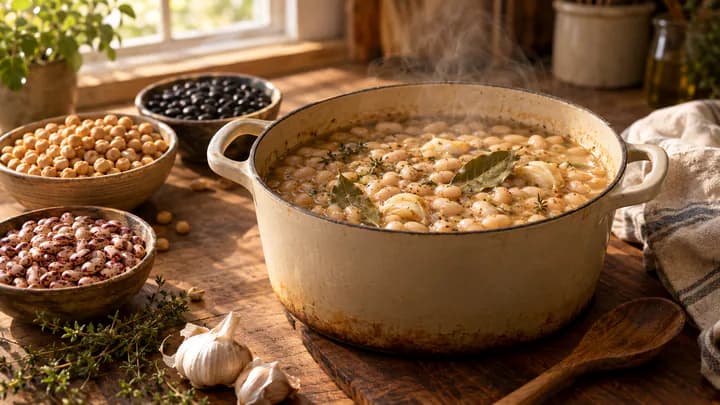
| Lentils | 1 cup cooked | ~18 g | ~15 g | The single best protein-fiber combo |
| Black beans | 1 cup cooked | ~15 g | ~15 g | Bulks out tacos, bowls, soups |
| Eggs | 3 large | ~18 g | 0 g | Fast breakfast, needs veg added |
| Salmon | 4 oz | ~25 g | 0 g | Rich enough to feel indulgent |
| Raspberries | 1 cup | ~1 g | ~8 g | Highest-fiber fruit per calorie |
| Chia seeds | 2 tbsp | ~4 g | ~10 g | Thickens oats and yogurt |
| Leafy greens, zucchini, cabbage | 2 cups | trace | 2-4 g | Free volume — use generously |
Notice which column is empty for the animal proteins. Chicken and salmon don't fill you the way they're often credited to; they fill you alongside a fiber source. Pairing is the point.
Do cayenne, green tea, or turmeric burn fat?
Practically speaking, no — and this is where most healthy-eating articles quietly mislead. Capsaicin, caffeine, and green tea catechins do have measurable effects on energy expenditure in laboratory conditions, but the size of that effect is trivial compared with the calories in a single handful of nuts. Research generally suggests any real-world difference is within measurement noise.
So keep the cayenne, the turmeric, the garlic, the fish sauce, the lemon zest, the smoked paprika. Use them relentlessly. Just understand why they help: aggressive seasoning lets you cut the fat and sugar that were doing the flavor work, without the food tasting like penance. That's a real calorie saving. "Metabolism boosting" is not.
What should I eat for breakfast if I'm starving by 10 a.m.?
Put 25-30g of protein in the first meal and the mid-morning crash mostly disappears. The classic failure is a carb-only breakfast — toast, cereal, a banana, an oat-milk latte — which digests fast and leaves you foraging before lunch.
- Three-egg omelet with spinach and peppers. ~18g protein; add 1/2 cup cottage cheese to the eggs before scrambling to push it past 30g without changing the taste.
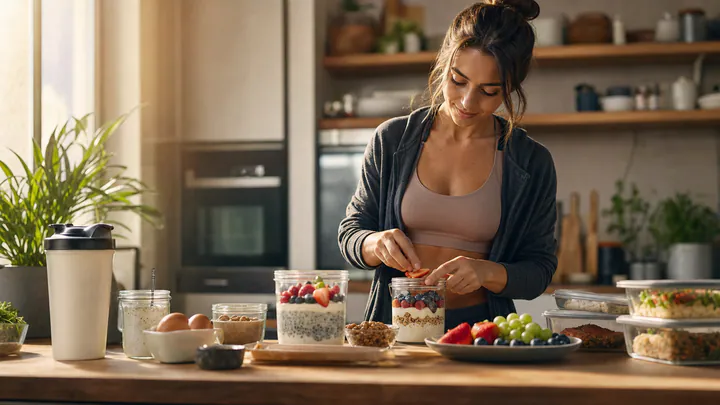
- Overnight oats with Greek yogurt, chia, and raspberries. Use yogurt as the liquid instead of milk — same five-minute prep, roughly double the protein, ~12g fiber.
- Savory yogurt bowl. Greek yogurt, olive oil, za'atar, cucumber, tomato. Sounds odd, converts people instantly, and sidesteps the sugar spiral of sweet breakfasts.
If mornings are the tightest part of your day, our guide to high-protein breakfast ideas for busy mornings covers make-ahead versions that survive a commute.
Which lunches survive a real workday?
The best weight-loss lunch is one that's already made, tastes good cold, and doesn't need a microwave queue. That rules out most things and points squarely at grain-and-legume bowls.
- Lentil and roasted vegetable bowl with lemon-tahini. Around 18g protein and 15g fiber from the lentils alone, and it improves overnight in the fridge.
- Chicken, quinoa, cucumber, and feta salad. Dress it separately or the greens collapse by 1 p.m. — a small detail that decides whether you eat it.
- Turkey lettuce wraps with black beans and salsa. Fast, portable, and the beans make it actually filling rather than technically low-carb.
Decision rule for bowls: if you can't name the protein source and the fiber source in one breath, the bowl isn't finished. "Quinoa and vegetables" is a side dish wearing a lunch costume.
What's the fastest weight-loss dinner on a weeknight?
Sheet-pan and single-skillet dinners, by a wide margin — they hit 25-35g of protein and a tray's worth of vegetables in about 25 minutes with one thing to wash. Dinner is where most people overeat, and effort is the reason: when cooking feels hard at 7 p.m., takeout wins.
- Baked salmon with asparagus and lemon. 12 minutes at 425°F. Rich enough that a modest portion satisfies.
- Garlic shrimp with broccoli. Under 15 minutes start to finish; shrimp is extremely high protein for its calorie load.
- Stuffed peppers with lentils, quinoa, and feta. Freezes well; makes a vegetarian dinner that isn't a compromise.
- Chicken thighs with cabbage and paprika on one tray. Cabbage wilts into something sweet and savory and costs almost nothing calorically.
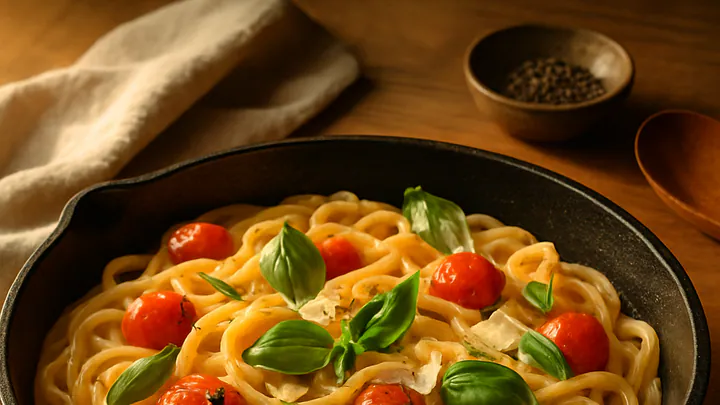
Our sheet-pan dinner guide covers the timing problem — how to keep the protein from drying out while dense vegetables finish. And if pasta night is non-negotiable, the method in our one-pot pasta guide adapts easily: halve the pasta, double the vegetables, add a protein, and it still tastes like the dish you wanted.
What quietly undoes all of it?
Three things, in order of damage: cooking oil poured by eye, liquid calories, and "healthy" snacks eaten without portioning. None of them feel like eating, which is exactly why they work against you.
Olive oil is excellent food and roughly 120 calories per tablespoon. A generous free-hand pour over a roasting tray is easily three tablespoons. Measure it for one week — not forever, just long enough to recalibrate your eye — and most people find they were adding 200-300 uncounted calories to dinner.
For drinks: water, sparkling water, black coffee, and unsweetened tea are effectively free. Infusing water with cucumber and lemon is pleasant and does nothing metabolically, which is fine — pleasant is enough. Where people go wrong is assuming a large oat-milk latte or a fruit smoothie is neutral. Neither is.
Snack portioning rule: put it on a plate. Almonds from the bag are unlimited; twenty almonds on a plate are twenty almonds. Apple slices with a measured tablespoon of almond butter, roasted chickpeas, Greek yogurt with cinnamon — all good, all easy to triple without noticing.
What does one full day look like in practice?
Here's a worked example for a moderately active adult, with rough figures so you can see how the template stacks up. Your own numbers will differ.
- Breakfast: Overnight oats — 1/2 cup oats, 3/4 cup Greek yogurt, 2 tbsp chia, 1 cup raspberries. Roughly 430 calories, ~28g protein, ~20g fiber.
- Lunch: Lentil bowl — 1 cup lentils, 2 cups roasted vegetables, 1 tbsp tahini dressing. Roughly 480 calories, ~22g protein, ~19g fiber.
- Snack: Apple with 1 tbsp almond butter. Roughly 190 calories.
- Dinner: Salmon fillet, asparagus, 1/2 cup quinoa, 1 tsp olive oil. Roughly 520 calories, ~32g protein.
That's around 1,600 calories, over 80g of protein, and well past 40g of fiber — with real food, actual fat, and nothing measured to the gram at the table. The fiber number is the one worth noticing; it's far above what most people manage and it's doing most of the fullness work.
Edge case: if you're going from a low-fiber diet to this, ramp up over two weeks. Jumping from 12g to 40g of fiber overnight is genuinely uncomfortable, and plenty of people abandon a perfectly good plan because of it.
What matters as much as the recipes?
Sleep and daylight, honestly. Short sleep reliably raises appetite and makes high-calorie food more appealing the next day — which means a badly slept week can outmuscle a well-planned menu.
The other non-recipe factor is variety. Rotating cuisines — Mediterranean one week, Thai or Korean the next — keeps the same template from feeling like a rule. Boredom, not hunger, is what ends most eating plans.
When does this not apply?
This approach assumes a healthy adult without medical restrictions. It does not apply cleanly if you have kidney disease (higher protein needs clinical supervision), IBS or another condition where high-fiber legumes trigger symptoms, or a history of restrictive eating, where tracking and calorie framing can be actively harmful. Adolescents, pregnant people, and anyone on appetite-altering medication should work from personalized guidance rather than a general template.
Key takeaways
- A weight-loss recipe is one that maximizes fullness per calorie — roughly 30g protein, 8-10g fiber, and a large volume of vegetables per main meal.
- No spice, tea, or ingredient meaningfully burns fat; aggressive seasoning helps by letting you cut added fat and sugar without losing flavor.
- Pair every protein with a fiber source. Lentils and beans do both jobs at once and are the highest-value staples on the list.
- Free-poured cooking oil and liquid calories are the two most common silent derailers — measure oil for one week to recalibrate.
- Sheet-pan and one-pan dinners win not on nutrition but on effort, which is what decides whether you cook at 7 p.m.
- Raise fiber gradually, and get personalized guidance from a qualified professional if you have any relevant medical history.
Frequently asked questions
Do any foods actually burn fat?
No food burns fat in any amount that matters for body weight. Spices like cayenne and drinks like green tea nudge energy expenditure so slightly that the effect is invisible next to what you eat overall. Foods help by keeping you full on fewer calories, not by burning anything.
How much protein should a weight-loss meal have?
Aim for roughly 25-40 grams of protein per meal, which for most adults lands somewhere near 1.2 to 1.6 grams per kilogram of body weight per day. Protein is the most satiating macronutrient and helps protect muscle while you're eating fewer calories. Anyone with kidney disease should get a doctor's guidance before raising protein intake.
Are smoothies good for weight loss?
Smoothies can be, but they're the single easiest place to overshoot. Liquid calories register weakly with the appetite system, and a bowl of fruit blended with juice, nut butter, and honey can pass 600 calories while leaving you hungry an hour later. If you drink one, build it on unsweetened liquid, one fruit portion, and a real protein source.
Is meal prep necessary to lose weight?
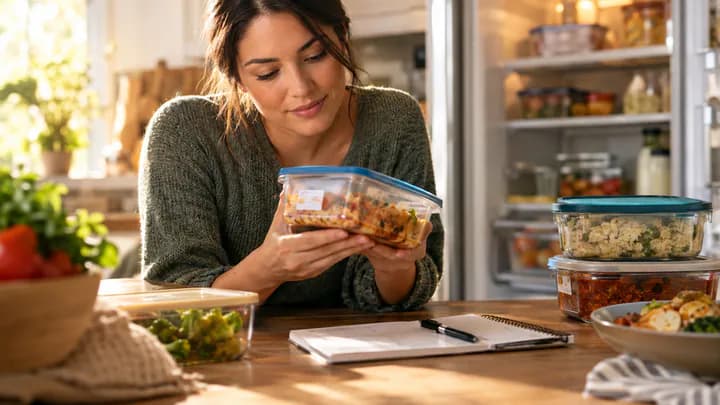
No, but it removes the decision that most often derails people — the hungry 6 p.m. choice. You don't need seven identical containers either. Prepping components (a cooked grain, a roasted tray of vegetables, a batch of protein) gives you five different meals from one session and far less food boredom.
Why did I stop losing weight even though the recipes didn't change?
Usually because portions drifted or non-meal calories crept back in — cooking oil poured by eye, tastes while cooking, a second serving of the healthy thing. A smaller body also needs fewer calories, so the deficit that worked at the start shrinks over time. Weigh a few staples for a week to see what's really on the plate.
Do these recipes work if I'm on a GLP-1 medication?
The structure works well, but the priorities shift. With appetite strongly suppressed, the risk becomes eating too little protein and losing muscle rather than eating too much. Front-load protein at the start of every meal, keep portions small and frequent, and follow the plan your prescribing clinician gives you.
How many calories should a weight-loss dinner be?
For most adults, a dinner in the 400-600 calorie range fits a moderate deficit, but the number depends entirely on your size, activity, and what you ate earlier. Rather than chasing a per-meal target, build the plate to the protein-fiber-volume template and let portion size flex around your hunger.