Luxury Lifestyle Brands Worth the Investment in 2026
Not every expensive thing is an investment. We break down which luxury categories genuinely hold their value in 2026, which ones quietly depreciate, and the cost-per-wear rule that tells you whether a purchase earns its price.
Rewritten with AI and republished automatically. Our editors set the standards and fix reported errors — how we work.

TL;DR: A few luxury categories genuinely hold value — classic leather goods, steel sports watches, fine jewelry. Most do not: furniture, electronics, cars and skincare are consumption, not assets. Judge every purchase on cost per wear and repairability, not on the logo. This is general information, not financial advice.
What is a luxury lifestyle brand, and what makes one "worth it"?
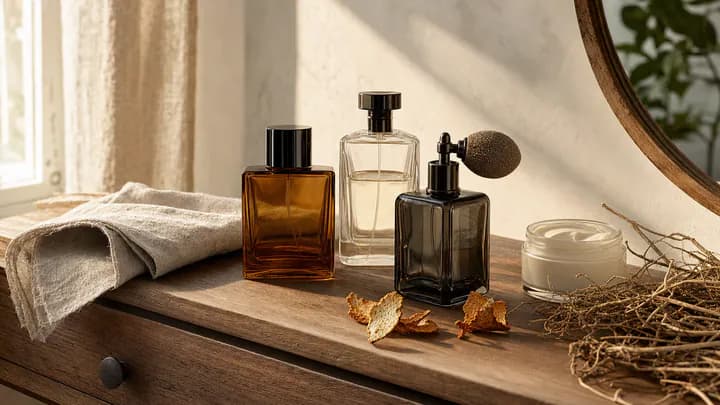
A luxury lifestyle brand is a company that sells high-priced goods or services across more than one part of daily life — clothing, accessories, home, wellness, travel — using restricted supply, craftsmanship and brand history to justify the premium. Hermès, Chanel, Ralph Lauren, Armani and Loro Piana all operate this way, extending from a founding product into a whole way of living.
"Worth it" has to mean something measurable, or the phrase is just marketing. Apply three tests: does the item last several times longer than the mainstream equivalent, can it be repaired rather than replaced, and does it retain enough desirability that you would still choose it in five years? Anything that fails all three is an indulgence — which is fine, as long as you call it that.
How do you decide if a luxury purchase is justified?
Use cost per wear: divide the price by the realistic number of times you will use the item. A $2,400 wool overcoat worn 60 times each winter for eight years lands near $5 per wear. A $300 seasonal coat worn six times costs $50 per wear. The expensive item is the cheaper item.
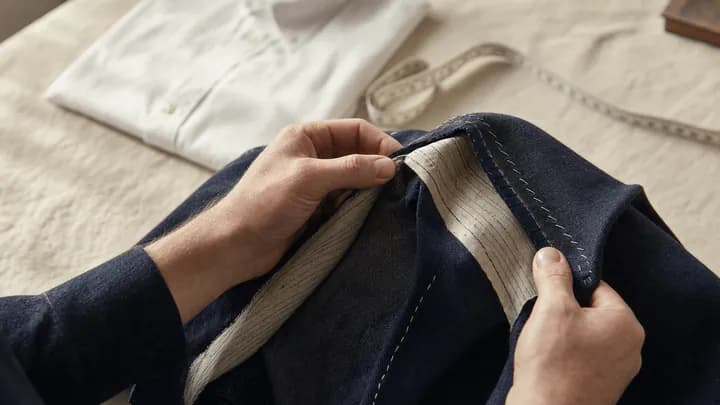
Two honest caveats. First, cost per wear only works on things you use in repeatable ways — coats, bags, shoes, watches, chairs. It collapses for occasion pieces. Second, it assumes you keep the item in service, which means budgeting for resoling, relining, watch servicing and reupholstering. If you will not maintain it, buy cheaper.
Which luxury categories actually hold their value in 2026?
Roughly three do, and five do not. Constrained-supply leather goods, steel sports watches and fine jewelry have historically retained the largest share of retail price on the secondary market. Furniture, electronics, cars, apparel and beauty almost always do not, regardless of how prestigious the name is.
| Category | Typical entry point | Resale reality | Best reason to buy |
|---|---|---|---|
| Iconic handbags (Hermès, Chanel) | Thousands, waitlists common | Strongest of any category; some models trade above retail | Daily use plus a genuine value floor |
| Mechanical watches (Rolex, Patek, AP) | Low thousands upward | Cyclical; cooled notably after the 2022 secondary-market peak | Repairable for decades, wearable daily |
| Fine jewelry | Hundreds to thousands | Holds a metal-and-stone floor; brand premium varies | Wearability and durability |
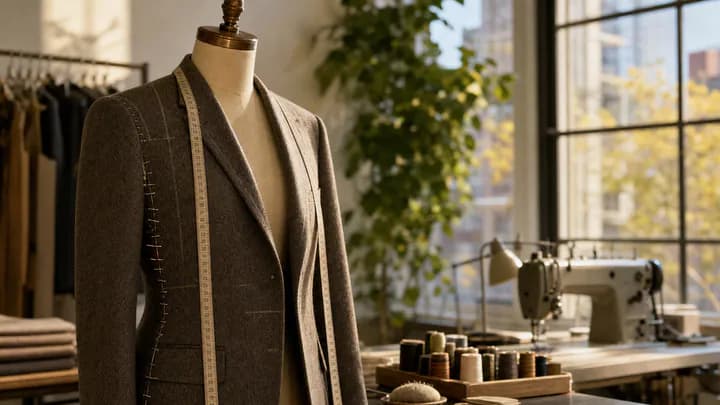
| Tailoring and outerwear | Hundreds to low thousands | Weak resale, excellent cost per wear | Fit, fabric, alterability |
| Designer furniture | Hundreds to five figures | Modest, except for documented design classics | Comfort, warranty, repair parts |
| Prestige skincare | $70–$400 per item | None — it is consumed | Texture and routine adherence |
| Luxury tech and audio | Hundreds to tens of thousands | Poor; depreciates with the technology inside | Sound and build quality you use daily |
| Cars | Five to six figures | Steep depreciation except for rare, limited models | Driving experience, safety, service network |
Which fashion houses are worth the money, and which pieces?
The houses that reward long-term buyers are the ones with an unchanged core product: Hermès leather, Chanel's classic flap, Loro Piana knitwear and outerwear, Bottega Veneta's intrecciato, The Row's tailoring. The value sits in the archetypal piece, not in the seasonal reinterpretation of it.
The costly mistake is buying the cheapest, loudest item in the range to access the name — a logo cardholder, a monogrammed belt, a branded T-shirt. These are the fastest pieces to look dated and the weakest on resale, because everyone who wanted an entry piece bought the same one.
A quieter approach works better with the way people actually dress now. We cover the logic in detail in our guides to building a quiet-luxury wardrobe and a 30-piece capsule that still gives you endless outfits. Both reach the same conclusion: fewer, better, plainer.
One category deserves a warning. Luxury denim rarely justifies a four-figure price, because fit and fabric — not the label — determine how a pair wears; our breakdown of the jeans worth buying now sets out what actually matters.
Are luxury watches still a store of value?
Watches remain the most repairable luxury object you can own, but they stopped being a reliable one-way bet after the speculative surge of 2021–2022 unwound. Secondary-market prices for the most hyped steel sports references fell substantially from that peak, and buyers who paid inflated grey-market premiums were the ones who absorbed it.
Two costs get overlooked. Servicing a mechanical movement every five to ten years typically runs from several hundred dollars to well over a thousand, more for chronographs and perpetual calendars. Insurance usually requires a scheduled rider on your home policy rather than blanket contents cover. Add both to your ownership math.
Decision rule: buy at authorized retail if you can, buy pre-owned from a dealer offering authentication and a warranty, and never pay a grey-market premium for a watch you would not still want at list price.
Does luxury home decor earn its price?
Sometimes — and the test is repairability rather than prestige. A frame that can be reupholstered, a chair with a warranty measured in more than a decade, a solid wood table that can be refinished: those genuinely outlast three or four fast-furniture replacements. A lacquered console from a fashion house's interiors line usually does not.
Spend where your body or your routine touches the object every day. A desk chair used eight hours a day, a mattress, a sofa and good lighting return far more than a statement sideboard. Small, high-traffic zones repay investment fastest.
Is prestige skincare better than drugstore skincare?
Not automatically. What you reliably get at the high end is texture, fragrance, packaging stability and a formulation you enjoy using — which matters, because consistency drives results more than any single ingredient. What you do not reliably get is superior active chemistry; sunscreen, retinoids and niacinamide are available at every price point.
No cosmetic product treats or cures a medical condition. For persistent acne, pigmentation, rosacea or eczema, consult a dermatologist or other qualified professional before spending hundreds on a serum. And be skeptical of any brand promising dramatic, permanent change from a jar.
Free habits do real work here too: consistent sleep and a few minutes of morning daylight supply inputs that no cream substitutes for.
Where do cars, tech and travel fit in?
They are experiences with a price tag, not assets — and pretending otherwise is how people overextend. A Bentley, a Porsche or a high-end EV depreciates steeply outside a handful of limited production runs, and the running costs (insurance, tires, scheduled service) often surprise first-time owners more than the sticker did.
Luxury electronics age worst of all, because the technology inside sets the expiry date while the case stays beautiful. The cautionary example is the luxury phone category: Vertu became the emblem of the segment and then went through financial collapse and multiple ownership changes, leaving owners with expensive handsets and thin support. Audio is the partial exception — a well-built speaker or amplifier can serve for fifteen years, which is why a good sound system beats a jeweled phone every time.
Travel is the honest one. Nobody pretends a stay at Aman or Six Senses appreciates. Judged on memory per dollar and time with people you love, it often outperforms a handbag — just book it from savings, not from a line of credit.
When is luxury the wrong choice?
Skip it entirely in four situations. If the purchase requires financing at interest you cannot comfortably clear, the math is already lost. If your size, body or taste is actively changing, wait. If the item lives in a category you replace on a schedule — running shoes, laptops, phones — buy well-reviewed mid-tier instead. And if you are buying to signal status to a specific person, the item will disappoint you the moment that audience changes.
One more edge case: gifting. Luxury gifts fail more often than they land, because fit, taste and maintenance obligations are personal. A beautifully made small object — a pen, a scarf, a leather notebook cover — nearly always beats an ambitious large one.
How do you buy without overpaying?
- Buy the archetype, not the novelty. The plain version of a house's signature product ages best and resells best.
- Check repairability before price. Ask what a service, resole or reupholster costs and whether the brand does it in-house.
- Consider pre-owned first. The first owner absorbs the steepest depreciation; insist on authentication, condition photos and a returns window.
- Ignore waitlist games. Being told you must "build a history" with a boutique before being offered a particular bag is a sales strategy, not an honor. Decide if you accept it with open eyes.
- Wait 30 days on anything above your monthly threshold. Desire that survives a month is preference; desire that evaporates was advertising.
Key takeaways
- Only constrained-supply leather goods, mechanical watches and fine jewelry have a meaningful resale floor; treat everything else as consumption you enjoy.
- Cost per wear plus maintenance cost is the only defensible way to judge a luxury purchase — run the number before you pay.
- Watch values are cyclical, not one-way; never pay a grey-market premium for something you would not buy at list.
- Spend on what you touch daily — chair, coat, bed, shoes — and save on statement objects and fast-aging tech.
- Repairability is the single best predictor of whether an expensive item is genuinely worth owning.
- None of this is financial advice; luxury goods are illiquid, subject to fashion cycles, and should never be funded with debt you cannot clear.
Frequently asked questions
Are luxury lifestyle brands actually a good investment?
Only a narrow slice of them are, and even then "investment" is the wrong word for most buyers. A handful of categories — certain leather goods, steel sports watches and fine jewelry — have historically held a strong secondary market, while luxury furniture, electronics, cars and skincare almost always lose most of their value. Treat luxury as consumption you enjoy for years, not as a financial plan. This is general information, not financial advice.
What is cost per wear and how do I calculate it?
Cost per wear is the purchase price divided by the realistic number of times you will use an item over its lifetime. A $2,400 coat worn 60 times a winter for eight years costs about $5 per wear; a $300 trend coat worn six times costs $50. Run the number before you buy, and be honest about how often the item actually fits your life.
Which luxury items hold their resale value best?
Historically, Hermès Birkin and Kelly bags, classic Chanel flap bags, and stainless steel sports watches from Rolex, Patek Philippe and Audemars Piguet have retained value best, partly because supply is deliberately constrained. Even so, secondary-market prices move in cycles — watch values cooled significantly after their 2022 peak — so nothing is guaranteed.
Is expensive skincare better than drugstore skincare?
Sometimes, but price is a poor proxy for results. Prestige brands often invest more in texture, stability and formulation elegance, while many effective actives — retinoids, niacinamide, sunscreen filters — are available at mass-market prices. Consult a dermatologist or qualified professional for concerns like acne, pigmentation or eczema rather than choosing by price tier.
How much does it cost to maintain a luxury watch?
Plan on a full service every five to ten years, typically costing several hundred to well over a thousand dollars depending on the brand and movement complexity. Factor that into ownership cost before you buy, along with insurance, since a valuable watch usually needs a scheduled rider on your home policy.
What is the most common mistake first-time luxury buyers make?
Buying the loudest, most logo-heavy entry piece in the range. Small monogrammed accessories are the fastest items to date themselves and the weakest resellers, while the quieter core styles — a plain leather tote, a classic dress watch, a well-cut coat — stay wearable and desirable far longer.
Does buying pre-owned luxury make more sense than new?
Often yes, because the first owner absorbs the steepest depreciation and you buy nearer the item's value floor. Use sellers that offer authentication, itemized condition reports and a returns window, and budget for refurbishment such as a watch service, shoe resoling or bag edge-paint repair.