Emergency Fund Planning: Why You Need It Now?
Protect your future by starting emergency fund planning today. Learn simple steps to build your financial safety net fast.

What Is Emergency Fund Planning?
Emergency fund planning is the cornerstone of financial security. Whether you’re dealing with sudden medical expenses, job loss, or car repairs, having money set aside gives you control, peace of mind, and protection from financial chaos.
Without a reliable financial safety net, many people fall into debt traps or stress-filled decisions. That’s why building an emergency fund is not just smart—it’s urgent.
The Real Cost of Not Having an Emergency Fund
If life throws you a curveball—and it often does—being unprepared can have lasting financial consequences:
- High-interest debt
- Drained savings meant for other goals
- Emotional stress that affects decision-making
Emergency fund planning can break this cycle by giving you a cushion when life gets bumpy.
How Much Should Be in Your Emergency Fund?
Experts suggest setting aside three to six months' worth of living expenses. This might sound like a lot, but here’s how to approach it:
Start Small – Even $500 can cover minor emergencies.
Set Milestones – Celebrate when you hit $1,000, then $3,000, and beyond.
Make It a Habit – Add a fixed amount each payday.
Consistent emergency fund planning is more effective than perfection. Every bit counts.
Where Should You Keep Your Emergency Fund?
Your emergency money must be accessible but not so easily accessible that you’re tempted to spend it. Consider these options:
High-Yield Savings Account – Earn interest while keeping funds liquid
Separate Bank Account – Prevent mixing it with daily spending
Avoid Investment Accounts – Market volatility can reduce value at the worst time
The proper placement enhances the effectiveness of your financial safety net without compromising accessibility.
How to Build Your Emergency Fund on Any Income?
Do you think you can’t save because you don’t earn much? Think again. Here are innovative strategies:
Track Your Spending – Identify small leaks (such as subscriptions, takeout, etc.)
Automate Transfers – Treat your savings like a bill
Redirect Windfalls – Tax refunds, bonuses, or cash gifts go straight into your fund
These manageable tactics make emergency fund planning achievable, even on tight budgets.
Emergency Fund vs. Other Savings: Know the Difference
Don’t confuse an emergency fund with savings for vacations, weddings, or a new gadget. Those are planned expenses, not emergencies.
Emergency Fund = Unexpected, necessary, urgent
Other Savings = Expected, optional, future-based
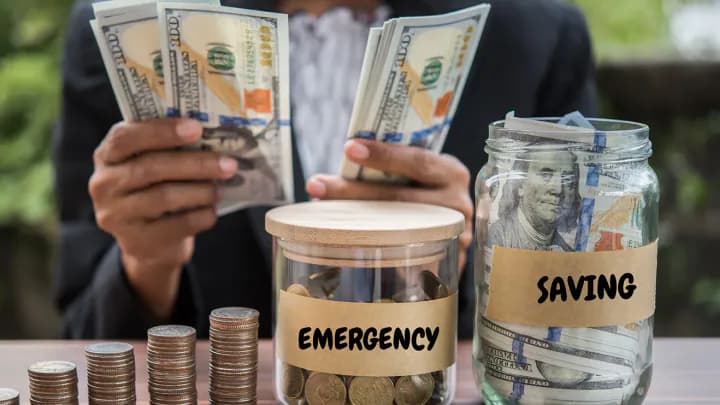
Label your accounts clearly. It keeps your financial safety net untouched for when it truly matters.
Rebuild After Using Your Emergency Fund
Emergencies happen—that’s what your fund is for. But what next?
Pause Other Savings – Temporarily redirect all saving power to replenish your fund
Avoid Credit Cards – Don’t fall into debt while rebuilding
Review Your Budget – Adjust expenses to speed up recovery
Effective emergency fund planning includes a strategy to recover quickly.
The Psychological Benefits of a Financial Safety Net
Knowing you’re prepared for the unexpected relieves anxiety and boosts confidence.
Peace of Mind – Sleep better knowing you're covered
Focused Goals – Build wealth without worrying about setbacks
Faster Decisions – Handle emergencies without financial hesitation
Mental clarity is a powerful—and often overlooked—benefit of thoughtful emergency fund planning.
Make It a Financial Priority Today
No matter your age, income level, or financial history, emergency fund planning should be one of your top money priorities. You never know when life will throw something unexpected your way—but you can control how prepared you are.
Set a goal today. Open a dedicated account. Automate your savings. Start small and grow over time.
Your future self will thank you for building a rock-solid financial safety net—and the peace it brings.
Start Emergency Fund Planning Before You Need It
The best time to begin emergency fund planning was yesterday. The next best time is today. Life is unpredictable—but your financial stability doesn’t have to be.
By planning and committing to small, regular steps, you ensure that your finances stay strong no matter what life throws your way. Your financial safety net is a shield, not just for your wallet but for your well-being.
For more tools, tips, and insights, head over to Daily Cruncher.