Gut Health: Practical Steps to Restore Digestive Balance
A practical look at how diet, stress, and sleep shape gut health, with science-backed steps to support digestion and a balanced microbiome.

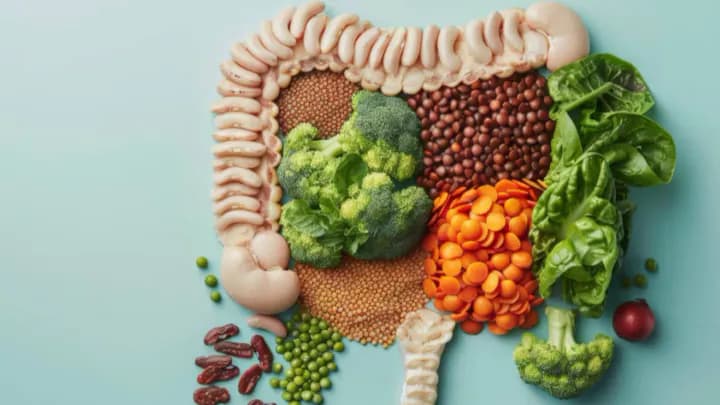
Your gut does far more than process food. It influences immunity, hormone regulation, mood, and energy, and a disrupted microbiome often shows up as bloating, fatigue, or brain fog. This guide walks through the dietary and lifestyle habits that support a balanced microbiome, drawing on what current research suggests about probiotics, prebiotics, and gut-brain communication.
In this guide, we'll explore practical, science-backed steps to restore digestive wellness and maintain your gut's optimal health.
Why Gut Health Matters More Than You Think
The Microbiome and Its Benefits
A healthy gut is home to trillions of beneficial bacteria, known as your microbiome. These microscopic allies:
-
Aid in nutrient absorption
-
Support immune defenses
-
Regulate hormones
-
Communicate with your brain
When your microbiome is balanced, your body operates like a well-oiled machine. However, poor diet, stress, and lack of sleep can disrupt it, leading to issues like IBS, skin flare-ups, and brain fog. That's why prioritizing gut health is one of the best investments you can make for long-term vitality.
Practical Steps to Restore Digestive Wellness
Feed Your Gut with the Right Foods
You are what you eat—and so is your microbiome. Therefore, focus on foods that nourish your beneficial bacteria:
-
Probiotic-rich foods like yogurt, kefir, sauerkraut, kimchi, and miso
-
Prebiotic fibers from garlic, onions, bananas, asparagus, and oats
-
Polyphenol-packed plants like berries, green tea, and olive oil
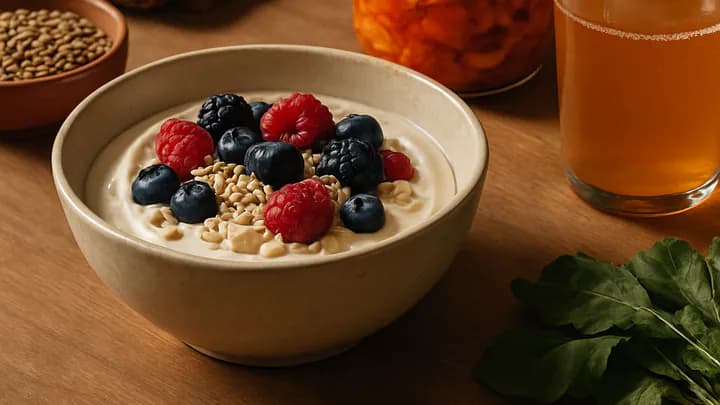
Pro Tip: Pair prebiotics and probiotics on the same day to maximize benefits. For instance, enjoy banana slices on probiotic-rich yogurt for a delicious gut-friendly snack.
Stay Hydrated for Smooth Digestion
Your digestive system needs adequate water to break down food and move it along efficiently. Without enough water, dehydration can cause constipation and slow nutrient absorption. Aim for:
-
2–3 liters of water daily
-
Herbal teas like peppermint or ginger tea for extra digestive support
-
Limiting sugary and artificially sweetened drinks
Manage Stress for a Happier Gut
Your brain and gut are in constant communication through the gut-brain axis. Unfortunately, chronic stress can alter your microbiome and cause digestive discomfort. To keep stress in check:
-
Practice mindfulness meditation
-
Try deep breathing or yoga
-
Spend time in nature
Even better, short relaxation breaks during the day can have a significant impact on digestive wellness.
Move Your Body
Exercise helps stimulate intestinal activity, promoting regular bowel movements and reducing bloating. Moreover, you don't need to run marathons—just:
-
Take a 30-minute walk daily
-
Do light strength training
-
Try low-impact workouts like swimming or cycling
Movement also boosts mood and lowers stress, creating a win-win for your gut.
Give Your Gut a Break with Mindful Eating
Rushed eating leads to overeating, poor digestion, and nutrient loss. Instead, try to:
-
Chew food thoroughly
-
Eat without screens
-
Allow at least 12 hours between dinner and breakfast to promote repair and balance
As a result, this mindful approach supports both digestion and appetite regulation.
Optimize Your Gut Health Strategy
Limit Gut Disruptors
Certain habits and foods can upset your gut microbiome. For example:
-
Excess refined sugar
-
Ultra-processed foods
-
Overuse of antibiotics (only take them when medically necessary)
-
Chronic alcohol consumption
By replacing these with whole, nutrient-rich foods, you can transform your gut health in weeks.
Consider Gut-Supportive Supplements
While food should be your first source of nutrients, some supplements can help rebalance your microbiome. These may include:
-
Probiotic capsules (choose a variety with multiple strains)
-
Digestive enzymes for those with low stomach acid or food sensitivities
-
L-glutamine to support gut lining integrity
Still, always consult with a healthcare provider before adding supplements to your routine.
Track Your Progress
Healing your gut is a gradual process. Therefore, keep a journal to record:
-
Foods eaten
-
Energy levels
-
Digestive symptoms
-
Mood changes
Over time, this will help you identify patterns, pinpoint triggers, and celebrate progress.
Your Gut, Your Gateway to Health
Caring for your gut isn't just about avoiding discomfort—it's about thriving. By prioritizing gut health, you're boosting immunity, improving mood, and unlocking more energy for the life you love.
Think of your digestive system as your body's garden. Feed it well, protect it from harm, and give it the care it needs, and it will reward you with vibrant digestive wellness for years to come.
So, start today. Swap out processed snacks for fresh produce, stay hydrated, move your body, and give your gut the attention it deserves. After all, small changes can lead to significant transformations—from the inside out.
For more tools, tips, and insights, head over to Daily Cruncher.