How to Start a Plant-Based Diet Plan: A Practical 7-Day Guide
A plant-based diet works best when you build it in stages rather than flipping a switch. Here is a seven-day ramp, the four nutrients that genuinely need attention, real protein numbers, and the expensive mistakes that make beginners quit in week three.
Rewritten with AI and republished automatically. Our editors set the standards and fix reported errors — how we work.
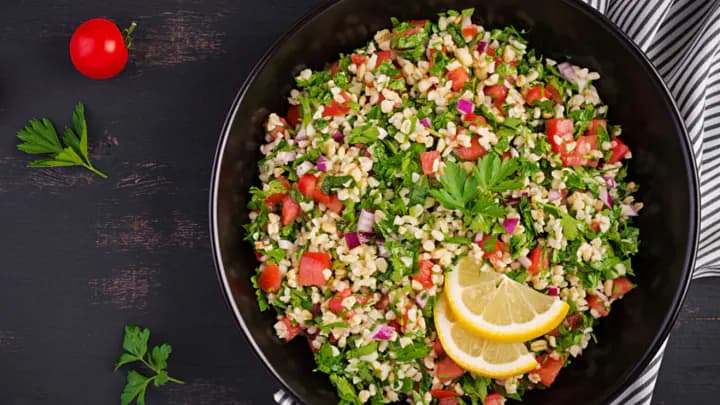
TL;DR: Start with one plant-based meal a day for a week, add a second the following week, and build a rotation of six meals you genuinely enjoy. Anchor every plate with a legume, tofu, or tempeh, take a B12 supplement, and raise fiber gradually. Perfection is not the goal — repeatability is.
What exactly is a plant-based diet, and how is it different from vegan?
A plant-based diet is an eating pattern built primarily around whole plant foods — vegetables, fruits, legumes, whole grains, nuts, and seeds — with animal products and heavily processed foods reduced or removed. It describes the plate. Veganism, by contrast, is an ethical stance that excludes animal products across the whole of life, including clothing and household goods.
That difference matters practically. Someone eating plant-based can have yogurt on a Tuesday and still be eating plant-based overall. Someone vegan cannot. Knowing which one you are aiming for stops you from feeling like a failure over a splash of milk in a coffee.
| Pattern | What it includes | Main motivation | Difficulty to start |
|---|---|---|---|
| Flexitarian | Mostly plants, occasional meat or fish | Health, cost, gradual change | Low |
| Vegetarian | No meat or fish; dairy and eggs allowed | Ethics, culture, health | Low to moderate |
| Whole-food plant-based | Plants only, minimal oil, sugar, refined grains | Cardiometabolic health | High |
| Vegan | No animal products at all, food and non-food | Animal welfare, environment | Moderate to high |
How do I start a plant-based diet in seven days without wrecking my week?
Change one meal slot, not the whole day. Breakfast is the easiest slot to convert because it is the most habitual and the least social — nobody negotiates about your oatmeal. Here is the ramp we recommend if you have quit before.
- Days 1–2: Convert breakfast only. Oats with soy milk, banana, and peanut butter. Same thing twice. Do not get creative yet.
- Day 3: Cook one legume dish in a large batch — red lentil dahl, chili, or a chickpea stew. That is lunch for three days.
- Day 4: Audit your pantry and write a permanent staples list (below). Shop once.
- Day 5: Convert one dinner. Keep the structure of a meal you already like and swap the center: tacos with lentils and walnuts, stir-fry with tofu.
- Day 6: Eat out or order in, on purpose. Find out what your neighborhood actually offers before you are tired and hungry on a Wednesday.
- Day 7: Review. Which meals would you happily eat again? Those are your rotation. Everything else gets deleted.
By the end of week one you should have three to four repeatable meals. That is the entire foundation. People who try to learn fifteen new recipes in a fortnight almost always revert.
The staples list worth keeping permanently
- Protein anchors: canned chickpeas and black beans, dried red and brown lentils, firm tofu, tempeh, peanut butter, soy milk
- Grains: rolled oats, brown rice, whole wheat pasta, tortillas
- Produce: frozen spinach, frozen mixed vegetables, onions, garlic, carrots, whatever is in season and cheap
- Flavor: soy sauce, tahini, curry paste, smoked paprika, cumin, lemons, nutritional yeast
- Fats: olive oil, walnuts, ground flaxseed or chia
Flavor is the line between a diet you keep and one you abandon. Beginners under-season almost universally, then conclude that plants are boring. They are not; they are just unsalted.
What does a full day of plant-based eating actually look like?
A well-built day has a protein anchor at each meal, a fiber-rich carbohydrate, a fat source, and something with color. Here is a worked example with rough protein figures so you can see where it comes from.
| Meal | What's on the plate | Approx. protein |
|---|---|---|
| Breakfast | Oats cooked in soy milk, banana, 2 tbsp peanut butter, ground flaxseed | ~20 g |
| Lunch | Quinoa bowl with a cup of black beans, corn, avocado, lime-tahini dressing | ~20 g |
| Snack | Hummus with carrots and whole-grain crackers, or a handful of edamame | ~8 g |
| Dinner | Red lentil curry with brown rice and spinach | ~22 g |
| Evening | Soy yogurt with berries and pumpkin seeds | ~10 g |
That day lands near 80 grams of protein without a single specialty product. Notice that the protein comes from four or five deliberate decisions, not from vegetables. If you remove the beans, the tofu, and the soy milk from a plant-based day, you are left with a carbohydrate day — and that is the pattern behind most "I felt tired and hungry constantly" stories.
Which nutrients genuinely need attention?
Four: vitamin B12, iron, omega-3 fats, and — depending on where you live and how much sun you get — vitamin D. Everything else usually takes care of itself on a varied whole-food diet.
- B12 is the non-negotiable one. It is not reliably present in unfortified plant foods, and a deficiency builds silently over months. A supplement or consistent fortified foods is the standard approach.
- Iron from plants (non-heme) is absorbed less efficiently than iron from meat. The practical fix is to pair iron-rich foods — lentils, tofu, pumpkin seeds, fortified cereal — with vitamin C, such as lemon on your greens or peppers in your chili. Tea and coffee taken with meals blunt absorption; move them to between meals.
- Omega-3s: flaxseed, chia, hemp, and walnuts supply ALA, but conversion to the longer-chain forms is limited. An algae-derived supplement is the usual workaround.
- Vitamin D is not really a plant-based issue — it is a latitude and lifestyle issue that affects most people in winter. Getting outside early helps for other reasons too.
None of this is medical advice. Blood levels, existing conditions, and medications change the picture, so run your supplement plan past a qualified healthcare professional rather than a forum.
Why do beginners feel bloated, and how long does it last?
Because fiber intake can double in a week and the gut microbiome needs time to catch up. It typically settles within two to four weeks if you increase legumes gradually rather than all at once. Rinsing canned beans thoroughly, starting with red lentils and tofu before moving to chickpeas and black beans, and drinking noticeably more water all shorten the adjustment.
This is also the moment when your digestion is doing something genuinely useful — fermentable fiber is the fuel your gut bacteria run on. Our practical guide to gut health covers what that adaptation period actually involves. If discomfort is severe, persistent, or accompanied by pain, blood, or unexplained weight loss, stop self-managing and see a doctor.
What are the most common and most expensive mistakes?
Three mistakes account for the majority of failed transitions, and all three are avoidable.
1. Replacing meat with processed substitutes instead of whole foods
A freezer full of plant-based nuggets, vegan cheese, and meat-style patties is expensive and is not what the health research on plant-based eating is describing. Use them as a bridge, not a foundation — perhaps twice a week while you learn to cook legumes. A can of chickpeas costs a fraction of a package of substitutes and will keep your grocery bill from doubling.
2. Removing food without adding anything back
People cut the chicken off the plate, keep the rice and broccoli, then wonder why they are ravenous at 9 p.m. Every removal needs a replacement of similar density. Our decision rule: if you cannot name the protein source in a meal within three seconds, the meal is not finished.
3. Trying to be perfect on week one
All-or-nothing framing turns one slice of pizza into an abandoned project. The person who eats plant-based eighty percent of the time for five years is far ahead of the person who was flawless for three weeks. Consistency compounds; purity does not.
How much does eating plant-based actually cost?
Built around legumes, grains, and frozen produce, a plant-based week is usually cheaper than an omnivorous one — dried lentils and beans are among the least expensive sources of protein in any supermarket. Built around substitutes and prepared bowls, it is more expensive than eating meat.
- Buy dried legumes and grains in bulk; a pressure cooker or slow cooker pays for itself quickly.
- Use frozen vegetables without guilt — they are frozen at peak and are often nutritionally comparable to fresh that has traveled for a week.
- Let seasonality dictate your produce instead of your recipe dictating it in January.
- Cook once, eat three times. Batch cooking is the single biggest cost and time saver; sheet-pan dinners are a low-effort way to do it with vegetables, tofu, and chickpeas on one tray.
If groceries are a recurring source of financial stress, treating food as a planned category rather than a weekly surprise helps. That is general budgeting context, not financial advice.
When does this advice not apply to you?
This is a general framework for healthy adults, and there are real exceptions. If you are pregnant or breastfeeding, managing a chronic kidney condition, taking medication affected by vitamin K intake such as warfarin, living with diabetes on insulin, recovering from an eating disorder, or feeding a young child, a plant-based transition should be planned with a physician or registered dietitian rather than an article.
Two more edge cases worth naming. People with IBS often react badly to a rapid increase in legumes and may need a structured, professionally supervised approach rather than a general one. And athletes training at high volume need to watch total calories carefully, because plant-based meals are bulky and filling — under-eating, not protein, is usually the limiting factor. If you are building an endurance base, our guide to Zone 2 cardio training pairs well with the fueling side of this.
Key takeaways
- Convert one meal a day for a week before changing anything else; build a rotation of six meals you actually like.
- Every plate needs a named protein anchor — legume, tofu, tempeh, soy milk, or nuts. Vegetables alone will not do it.
- B12 requires a supplement or fortified foods; iron absorbs better alongside vitamin C and worse alongside tea and coffee.
- Expect two to four weeks of digestive adjustment and raise fiber gradually rather than overnight.
- Plant-based is cheap when it is beans, grains, and frozen produce; it gets expensive the moment it becomes substitutes.
- Eighty percent consistently beats one hundred percent briefly.
Health disclaimer: This article is for general educational purposes only and is not a substitute for professional medical advice, diagnosis, or treatment. Always consult a qualified healthcare professional about your own circumstances, medications, or any medical condition before making significant dietary changes.
Frequently asked questions
Is a plant-based diet the same as being vegan?
No. A plant-based diet describes what is on the plate — mostly whole plant foods — and often still allows occasional animal products, while veganism is an ethical position that excludes all animal products including leather, wool, and honey. You can eat plant-based without calling yourself vegan.
Do I need a B12 supplement on a plant-based diet?
Yes, if animal products are a small or absent part of your diet. Vitamin B12 is not reliably present in unfortified plant foods, and deficiency develops slowly and quietly over months or years. Most guidance points to a daily or weekly oral supplement, or consistently using fortified foods; ask a qualified healthcare professional about the right form and dose for you.
Will I get enough protein without meat?
Yes, if you include a concentrated protein source at every meal rather than assuming vegetables will cover it. Lentils, chickpeas, black beans, tofu, tempeh, edamame, seitan, soy milk, peanut butter, and whole grains stack up quickly — a day built around three of these usually lands between 70 and 100 grams.
Why do I feel bloated when I start eating more beans?
Because your gut bacteria need a few weeks to adapt to a sudden jump in fermentable fiber. Increase legumes gradually, rinse canned beans well, start with easier options like lentils and tofu, and drink more water. If bloating is severe, persistent, or comes with pain or changes in bowel habits, see a doctor rather than pushing through.
Is a plant-based diet more expensive?
Not if you build it around dried and canned legumes, grains, frozen produce, and seasonal vegetables — those are among the cheapest calories and protein in any supermarket. It gets expensive when it becomes a shopping list of meat substitutes, vegan cheeses, and pre-made bowls.
How long before I notice a difference?
Digestion usually shifts within one to two weeks as fiber intake rises, and energy patterns often follow within a month once meals are properly built. Changes to blood markers like cholesterol are typically assessed after about three months, and that is a conversation for your doctor and a lab test, not a guess.
Can I eat plant-based while training hard?
Yes, but you need to be deliberate about total calories, protein spread across the day, iron, and creatine — plant-based diets are bulkier and more filling, so under-eating is the main risk for athletes. Many endurance and strength athletes do well on plant-based diets when they plan intake rather than improvise.
Should I go 100% plant-based right away?
For most people, no. A staged transition — one meal a day, then two, then most of the week — has a far better survival rate than a cold-turkey overhaul, because it gives you time to build a rotation of meals you actually like cooking.