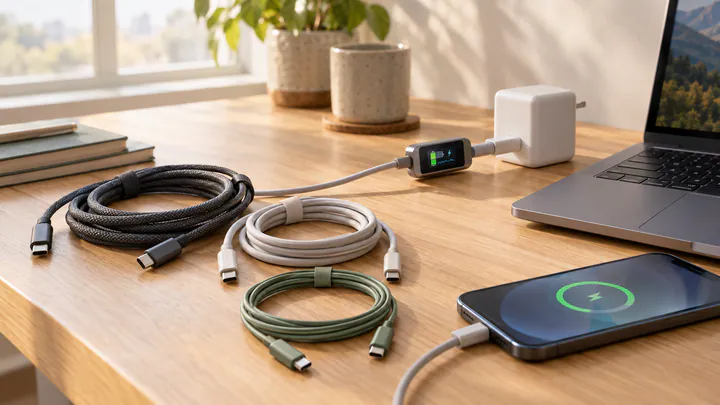
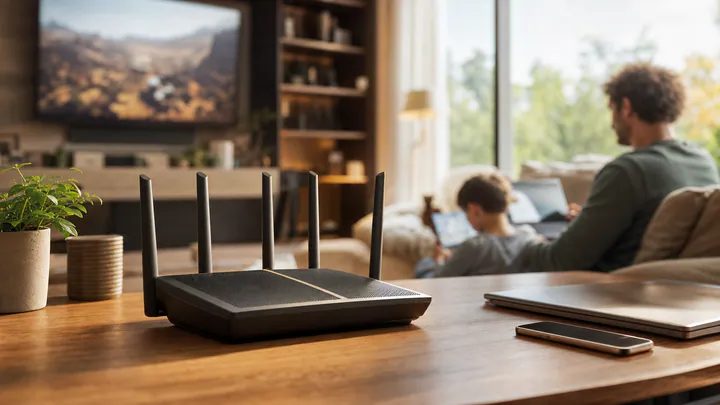
Smart Home Gadgets That Actually Make Daily Life Easier
Smart gadgets are worth buying when they remove a repeated daily annoyance, not when they add a new one. Here is what each category really costs, how much setup it takes, where it quietly fails, and the order to buy in.
Rewritten with AI; reviewed by Haroon Ahmad on . How we work.
TL;DR: A smart gadget is worth buying when it removes a repeated daily annoyance and still works when the Wi-Fi dies. Start with a bulb or plug, then a video doorbell or thermostat. Check Matter certification, budget for subscriptions, and skip anything that replaces a reliable manual action with a fragile app.
What exactly is a "smart gadget," and what separates a good one from clutter?
A smart gadget is a household device that combines a normal function with a network connection and some onboard logic, so it can be controlled remotely, scheduled, or triggered automatically by other devices. That is the whole definition — a bulb that responds to a phone, a lock that accepts a code, a vacuum that maps a floor.
The useful test is not how many features it lists. It is whether the device shortens a loop you repeat every single day. A smart plug on a coffee maker you use each morning earns its keep. A Wi-Fi enabled toaster does not, because you were already standing in front of it.
A stricter version is the rule of three: automate something only if you do it three or more times a day, or if forgetting it has a real cost, such as a door left unlocked, a heater left on or a garage left open.
Our second test is the fallback rule: if the cloud service disappears tomorrow, does the device still do its basic job? A smart bulb that still lights when you flip the wall switch passes. A lock that only opens through a manufacturer's app, with no key and no keypad, fails. Companies discontinue products and shut down servers; hardware that degrades gracefully is the hardware you keep.
Which smart gadget categories are actually worth buying in 2026?
Lighting, thermostats, doorbell cameras, and robot vacuums deliver the most noticeable daily change for the money. Smart locks and speakers are excellent but depend heavily on your door, your household, and your tolerance for voice interfaces. Connected kitchen appliances are the weakest category for most people.
| Category | Typical price | Setup effort | Daily payoff | Main catch |
|---|---|---|---|---|
| Smart bulbs and plugs | $10–$30 each | 10 minutes, no tools | High — schedules, dimming, "off" from bed | Costs stack up across a whole home |
| Video doorbell / camera | $60–$200 | 30–60 min; may need wiring | High — package alerts, visitor check | Subscription for clip history |
| Smart thermostat | $100–$250 | 1 hour; wiring knowledge helps | Medium — comfort plus some savings | May need a C-wire or adapter |
| Robot vacuum | $200–$1,000+ | Under an hour, plus tidying | High in open homes with pets | Cords, thresholds, dark rugs |
| Smart lock | $120–$300 | 30–45 min, screwdriver | Medium–high — no keys, guest codes | Door fit; batteries die at the worst time |
| Smart speaker / display | $40–$180 | 15 minutes | Medium — timers, control, intercom | Always-on mic in your home |
| Connected kitchen appliance | $150–$3,000 | Varies wildly | Low for most households | App outlives usefulness; repairs get harder |
How do I pick an ecosystem without getting locked in?
Pick the assistant that matches the phones in your house — Apple Home for an iPhone household, Google Home for Android, Alexa if you already own Echo speakers — and then buy Matter-certified hardware wherever the price is the same. Matter is the cross-platform standard that lets one device answer to all the major ecosystems, which protects you if you switch phones later.
A costly, common mistake: someone buys eleven bulbs from a brand that only works with one assistant, then switches phone platforms two years later and effectively throws the lighting away. Ecosystem regret is the single most expensive error in this space, and it is entirely preventable at the checkout page.
One more thing worth knowing: Thread and Zigbee devices talk to a hub over their own low-power radio instead of your Wi-Fi, which keeps dozens of gadgets off your router. If your network already strains under streaming and video calls, read our take on whether a Wi-Fi 7 router upgrade is worth it before you add twenty more connections to it.
Thread, the low-power mesh protocol many Matter devices use, needs a border router in the home; recent Echo, Nest, HomePod and SmartThings hardware can act as one. Thread sensors bought without a border router will not work. A small setup of Wi-Fi plugs, bulbs and cameras, by contrast, needs no hub at all.
Is smart lighting worth the price per bulb?
Yes, in the three or four places you use every day — and no, as a whole-home replacement all at once. A hallway that lights itself at 10% brightness at 2 a.m., a lamp you can kill from bed, and an exterior light on an astronomical timer are genuinely life-improving. Twenty-eight bulbs in rooms you enter twice a month are just money.
A practical alternative many people miss: a smart switch instead of smart bulbs. One switch controls a whole fixture, costs less than four bulbs, and keeps working for guests who instinctively use the wall. The tradeoff is that switches usually require a neutral wire and are not renter-friendly.
Edge case worth flagging: smart bulbs in a lamp that someone switches off at the plug will drop offline and break your automations. If a lamp gets physically switched, put a smart plug on it instead.
Do smart thermostats actually save money?
They save money when your existing habits are wasteful — irregular schedules, heating empty rooms, or nobody touching the dial for weeks. If you already set the temperature back overnight and when the house is empty, the extra savings shrink toward the noise floor, and the honest answer is that the device is buying you comfort and remote control rather than a payback.
Before ordering, check the wiring. Many older systems lack a common wire (the "C-wire") that powers a modern thermostat continuously; most manufacturers ship an adapter, but some heating setups — line-voltage electric baseboards, certain heat pumps with auxiliary stages, some combi boilers — need a specific compatible model or a professional install. Five minutes with your existing thermostat's faceplate off saves an expensive return.
Are security cameras and video doorbells worth the subscription?
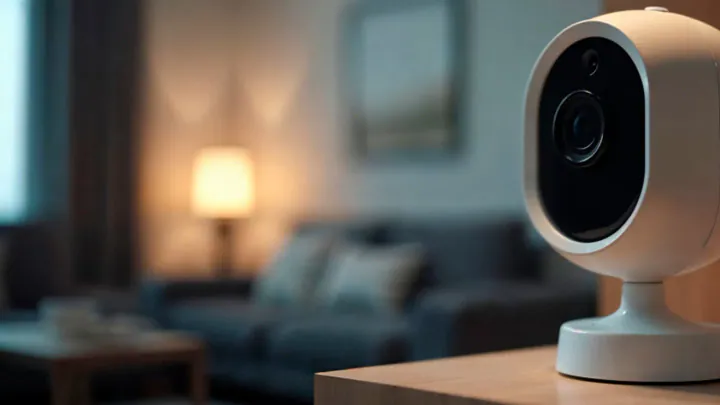
A video doorbell is one of the few gadgets that changes behavior on day one: you stop guessing about deliveries and you stop answering the door blind. The subscription question is separate — without a plan, most cameras still give live view and motion alerts, but recorded clips, person detection, and smart notifications usually sit behind a monthly fee.
Price that fee over the life of the hardware: across three years of ownership, a whole-home plan often costs more than the cameras did.
If recurring costs bother you, filter for cameras with microSD or network storage and on-device detection. Processing footage locally also means fewer clips of your hallway leaving the building, which is the same trend we cover in on-device AI and what it means for you.
Two honest caveats. Indoor cameras pointed at living spaces create household tension far more often than people expect — agree on placement with everyone who lives there. And in some regions, recording audio of visitors or pointing a camera at a neighbor's property carries legal restrictions, so aim it at your own doorstep and driveway.
Should I install a smart lock, and what goes wrong with them?
Install one if you regularly hand out keys, run a household with kids or caregivers, or have ever been locked out. What goes wrong is almost never the software: it is the door. A sticking latch, a misaligned strike plate, or a swollen frame that you compensate for with a shoulder shove will drain the motor and cause failed unlocks.
Decision rule: if your deadbolt does not turn smoothly with two fingers when the door is closed, fix the alignment before buying the lock.
Renters have a good option here — retrofit models that replace only the interior thumb-turn and leave the exterior cylinder and your landlord's key untouched. Batteries are the other failure mode: set a calendar reminder, keep a physical key off-site, and choose a lock with an external emergency contact or keypad.
What do robot vacuums still get wrong?
They still get tangled in cables and phone chargers, struggle with thresholds above roughly three-quarters of an inch, occasionally read dark rugs as drop-offs and refuse to cross them, and cannot clean a floor covered in toys. The vacuum does not reduce tidying; it converts vacuuming time into two minutes of floor-clearing.
They are outstanding in open-plan homes with pets and hard floors, and mediocre in small cluttered apartments with lots of thick rugs. Self-emptying bases are the upgrade most people say they would buy again — and the one that adds a recurring cost in disposable bags.
Do smartwatches and smart car accessories belong on the list?
A smartwatch earns its place if you want fewer phone pickups, contactless payments on a run, and long-term trend data on activity and sleep. Treat the health readings as estimates, not measurements — they are useful for noticing that something has changed, and no substitute for a qualified healthcare professional's assessment. If you are chasing better rest specifically, consistent sleep habits will move the needle further than any wrist sensor.
In the car, the only two items worth recommending without hesitation are a dash cam with reliable loop recording and a decent fast charger. Dash cams are insurance you hope to never use; everything else in the category tends to duplicate what your phone already does better.
How do I keep a smart home secure and running?
Give every account a unique password with two-factor authentication, enable automatic firmware updates, and isolate cheap unbranded devices on a guest network so they cannot reach your laptops or files. A camera or lock account is a physical-security account, and it deserves the same care as your bank login.
Where an ecosystem supports passkeys, use them — they remove the reused-password problem entirely, as we explain in our breakdown of how passkeys replace passwords. Finally, keep a written note of which devices depend on the cloud. When the internet drops, you want to know instantly whether the lock will still open or whether you need the spare key.
If a device will not pair: most inexpensive smart devices only speak 2.4 GHz Wi-Fi and cannot see a 5 GHz or 6 GHz network. When a router publishes all bands under one name, setup can fail repeatedly for no visible reason. Temporarily split the bands into separate network names, pair the device, then merge them again.
What should I buy first if I am starting from zero?
Buy one smart plug or bulb, put it where you already feel a small daily friction, and live with it for a month. If you keep using it, add a video doorbell next, then a thermostat if your wiring and habits justify it, then a robot vacuum if your floor plan suits one. Locks and whole-home lighting come last, once you know which ecosystem you are staying with.
Worked example: a $400 first build
For a two-bedroom home, in order, stopping whenever the budget runs out:
- Four smart plugs, roughly $50, for lamps, a coffee maker and a fan or heater. Many plugs now include energy monitoring, which shows what each device is actually costing you.
- One smart speaker or display, roughly $80, for voice control plus a Thread border router.
- A Matter-certified video doorbell with local storage, roughly $120.
- A smart thermostat, roughly $130, only after confirming a C-wire.
- Whatever remains on two living-room bulbs or a contact sensor on the back door.
That setup lights the home, shows who is at the door, stops heating empty rooms and costs nothing per month.
Budget the way you would for any other recurring household cost — subscriptions, replacement filters, bags, and batteries are real.
Key takeaways
- Buy a smart gadget only when it shortens a loop you repeat daily — novelty wears off in about a week.
- Apply the fallback rule: if the cloud service vanished, the device should still perform its basic function.
- Check Matter certification before checkout to avoid the most expensive mistake in the category — ecosystem lock-in.
- Verify the boring physical details first: thermostat wiring, deadbolt alignment, door thresholds, and rug colors.
- Price the subscription, not just the hardware, for anything with a camera or a disposable consumable.
- Secure camera, lock, and hub accounts with unique credentials and two-factor authentication, and retire unsupported devices.
Frequently asked questions
What smart gadget should I buy first?
Start with a smart bulb or plug in the one spot you already fumble with daily — a dark hallway, a lamp behind furniture, or a space heater you forget to switch off. It costs very little, takes ten minutes, and tells you whether you actually like living with automation before you commit to a hub or an ecosystem.
Do smart thermostats really lower energy bills?
They lower bills when your current habits are inefficient — inconsistent schedules, heating an empty house, or manual thermostat fiddling. If you already set back the temperature at night and when you leave, the additional savings are small, and payback can stretch past the point where the device is worth replacing.
Can I use smart gadgets in a rental?
Yes, most of them. Bulbs, plugs, speakers, cameras, robot vacuums, and interior smart deadbolts that reuse the existing exterior cylinder are all reversible. Thermostats, hardwired doorbells, and in-wall switches usually need landlord permission because they touch fixed wiring.
What happens to my smart home when the internet goes out?
It depends on whether the device controls locally or through the cloud. Local control devices — many Matter, Thread, and Zigbee products — keep responding to a hub or a wall switch during an outage, while cloud-dependent gadgets often lose voice control, app control, and automations until service returns.
Is Matter worth waiting for before I buy anything?
No, but it is worth checking for on the box. Matter is a cross-ecosystem standard that lets a certified device work with Apple Home, Google Home, Amazon Alexa, and SmartThings at once, which protects you if you switch phones or platforms later. Buying Matter-certified where the price is the same is simple insurance.
Are smart security cameras useful without a subscription?
Partly. Without a plan, most cameras still give you live view and motion alerts, but recorded clip history, person detection, and rich notifications are usually paywalled. Cameras with microSD or local network storage are the exception and are worth seeking out if recurring fees bother you.
Can a smartwatch replace a doctor's advice about my health?
No. Consumer wearables estimate heart rate, sleep stages, and activity using sensors that are useful for spotting trends, not for diagnosis. Treat unusual readings as a prompt to consult a qualified healthcare professional rather than as a medical finding.
How do I keep smart devices from becoming a security risk?
Use a unique password and two-factor authentication on every account tied to a camera, lock, or hub, keep firmware updates on automatic, and put cheap no-name devices on a guest network so they cannot see your computers. Retire any device whose manufacturer has stopped shipping updates.