Scalp Care in 2026: The New Frontier of Hair Health
Healthy hair starts at the root. Our 2026 guide breaks down scalp care science, routines, and product picks that actually deliver visible results.

TL;DR: In 2026, scalp care has officially become the foundation of any serious hair routine. Treating the scalp like skin — cleansing, exfoliating, hydrating, and protecting its microbiome — can reduce shedding, calm irritation, and improve hair density over time. Our team breaks down the science, the routine, and the ingredients worth your attention, plus the red flags that mean it's time to see a dermatologist.
Why Scalp Care Became the Biggest Beauty Shift of 2026
For years, haircare focused almost entirely on the strand: smoothing serums, bond builders, heat protectants. But the strand is essentially dead tissue. The living, growing part — the follicle — sits inside the scalp. That simple shift in perspective is why scalp-focused products now occupy entire aisles in beauty retailers, and why dermatologists are fielding more questions about scalp health than ever before.
According to the American Academy of Dermatology, scalp conditions like seborrheic dermatitis, folliculitis, and chronic irritation are among the most common complaints seen in cosmetic dermatology consultations. A 2024 industry report from Mintel also highlighted that consumers are increasingly thinking of the scalp as “an extension of facial skin,” which is reshaping how brands formulate.
Our team has spent the last several months testing routines, talking to trichologists, and reading the available research. Here's what actually holds up.
Understanding the Scalp: It's Skin, Just Hairier
The scalp has more sebaceous (oil) glands per square inch than almost anywhere else on the body, and it hosts a delicate microbiome of bacteria and fungi — most notably Malassezia, a yeast that, when overgrown, contributes to dandruff and itchiness. The Mayo Clinic notes that imbalances in this microbiome are tied to common conditions like seborrheic dermatitis, which affects roughly half of adults at some point.
Three things go wrong on most scalps:
- Buildup from sebum, sweat, sunscreen, and product residue clogs follicles.
- Barrier disruption from harsh surfactants, over-styling, or daily heat tools.
- Microbiome imbalance, often triggered by stress, diet shifts, or product overuse.
A good 2026 routine addresses all three without overdoing any one of them.
The Core Scalp Care Routine We Recommend
You don't need ten new products. Most readers will see real change with a focused four-step approach practiced consistently for eight to twelve weeks — roughly the timeline dermatologists say is needed to fairly evaluate any scalp intervention.
1. Cleanse With Intention
Choose a shampoo formulated for your scalp type, not your hair type. Oily scalps benefit from gentle clarifying surfactants and ingredients like salicylic acid or zinc pyrithione. Dry or sensitive scalps do better with sulfate-free, fragrance-light formulas. Massage shampoo into the scalp specifically — not just the lengths — for at least 60 seconds.
2. Exfoliate Weekly
Once a week, use a chemical scalp exfoliant containing salicylic acid, lactic acid, or a low-percentage glycolic acid. Physical scrubs can work but are easier to overdo. Exfoliating helps clear the dead skin and buildup that physically block follicles and dull hair.
3. Treat With a Targeted Serum
This is where most of the innovation has happened. Look for leave-on serums that combine:
- Niacinamide for barrier support and reduced redness.
- Peptides to support follicle health.
- Caffeine, which some studies suggest may help prolong the hair growth phase.
- Prebiotics or postbiotics to support a balanced microbiome.
Apply directly to the scalp in sections two to four nights a week.
4. Protect Daily
The scalp gets more direct UV exposure than almost any other part of your body, and the Skin Cancer Foundation has long warned that scalp skin cancers are often diagnosed late because the area is hidden by hair. Wear a hat for prolonged sun exposure, or use a scalp-safe SPF spray or powder along the part line.
Scalp Massage: Small Effort, Promising Returns
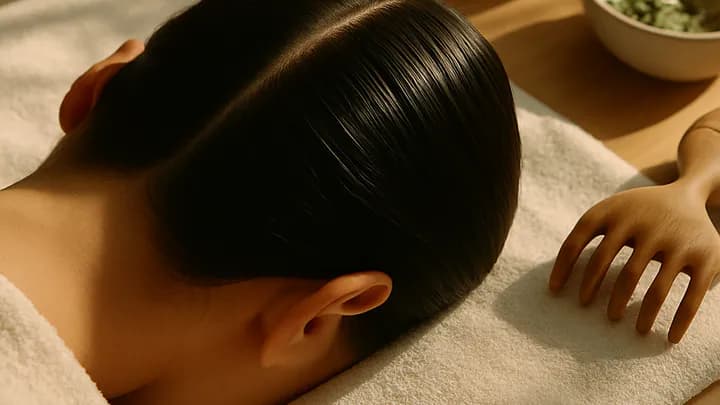
A few minutes of daily scalp massage — with fingertips or a soft silicone tool — may help increase local blood flow and mechanically stimulate the follicles. Small clinical studies, including work cited in peer-reviewed dermatology journals, have shown modest improvements in hair thickness in participants who practiced consistent daily massage over six months.
It's not a miracle, but it's free, relaxing, and easy to stack onto an existing habit like a nightly skincare routine.
Ingredients to Approach With Care
Not every trending ingredient deserves a place in your routine. Our team recommends a more critical eye on:
- Rosemary oil: Popular online, with some preliminary evidence comparing it to minoxidil. Promising, but quality varies wildly and undiluted essential oils can irritate.
- Heavy coconut or castor oils: Great for some hair types, but they can suffocate sensitive scalps and worsen dandruff.
- Charcoal scrubs: Often more marketing than mechanism. A well-formulated acid exfoliant typically does more.
Signs You Should See a Professional
Scalp care can do a lot, but it can't replace medical evaluation. We recommend booking a dermatologist or trichologist if you notice:
- Sudden or patchy hair loss.
- Persistent itching, burning, or pain.
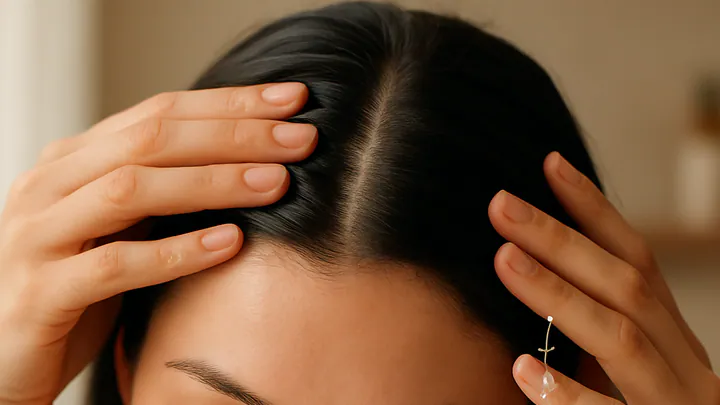
- Visible widening of your part or thinning at the crown.
- Flaking that doesn't respond to over-the-counter dandruff shampoos after four to six weeks.
- Sores, bumps, or moles on the scalp.
The U.S. National Institutes of Health notes that early intervention in hair loss disorders typically produces better outcomes than waiting until thinning is severe.
Lifestyle Factors That Quietly Shape Your Scalp
No serum compensates for poor sleep, chronic stress, or nutrient gaps. The Cleveland Clinic regularly highlights iron, vitamin D, and protein intake as commonly overlooked contributors to hair quality. Hormonal shifts — postpartum, perimenopause, thyroid changes — also leave clear fingerprints on the scalp.
Hydration matters too. So does going easier on tight ponytails, daily heat styling, and friction from rough pillowcases. A silk or satin pillowcase isn't strictly necessary, but it reduces nighttime tugging that contributes to breakage along the hairline.
Building Your Routine This Week
If you're starting from scratch, here's a simple way to begin without overwhelm:
- Swap your current shampoo for one formulated for your scalp type.
- Add a weekly chemical exfoliant on a fixed day — Sunday works well for most people.
- Introduce one scalp serum, two to four nights per week.
- Tack on a two-minute scalp massage before bed.
- Reassess after eight weeks with photos taken in the same lighting.
Editorial Disclosure
This article is for general educational purposes and reflects our editorial research, not personalized medical advice. Hair loss, persistent scalp irritation, and chronic skin conditions can have underlying medical causes. Please consult a qualified dermatologist, trichologist, or healthcare professional before starting any new treatment, particularly if you are pregnant, nursing, or managing a diagnosed condition.
Key Takeaways
- Treat your scalp like skin: cleanse, exfoliate, hydrate, protect.
- Match shampoo and serums to your scalp type, not your hair type.
- Consistency over eight to twelve weeks beats expensive one-off products.
- Daily scalp massage is a low-cost habit with real upside.
- Don't ignore sudden shedding, persistent itch, or visible thinning — see a professional.
Frequently asked questions
How often should I exfoliate my scalp?
Most dermatologists suggest exfoliating the scalp once a week for normal hair types and every two weeks for dry or color-treated hair. Over-exfoliating can disrupt the barrier and trigger irritation, so start gently and observe how your scalp responds.
Can scalp care actually help with hair thinning?
A healthy scalp environment supports stronger follicle function, which can reduce breakage and shedding. However, persistent thinning often has medical causes like hormones, deficiencies, or genetics, so we recommend consulting a board-certified dermatologist for a proper diagnosis.
What ingredients should I look for in a scalp serum?
Look for niacinamide, peptides, salicylic acid for buildup, caffeine for circulation, and prebiotics for microbiome balance. Avoid heavy oils on oily scalps and harsh sulfates on sensitive ones.
Is it bad to wash your hair every day?
It depends on your scalp type. Oily scalps may benefit from daily or near-daily washing, while dry or curly hair types usually do better with two to three washes per week. The goal is a clean scalp without stripping the skin.
Does scalp massage really stimulate hair growth?
Small studies, including research published in dermatology journals, suggest regular scalp massage may improve hair thickness over several months by increasing blood flow and mechanical stimulation. It is a low-risk addition to most routines.
What is the scalp microbiome and why does it matter?
The scalp microbiome is the community of bacteria and fungi living on your skin's surface. When balanced, it helps prevent dandruff, irritation, and inflammation, all of which can affect hair quality and shedding patterns.