Superfood Nutrition: What Really Boosts Energy and Strength
"Superfood" is a marketing word, but nutrient density is real. We break down which foods genuinely earn the label, how they support steady energy and strength, what they cost, the mistakes that waste money, and who should check with a clinician first.
Rewritten with AI and republished automatically. Our editors set the standards and fix reported errors — how we work.
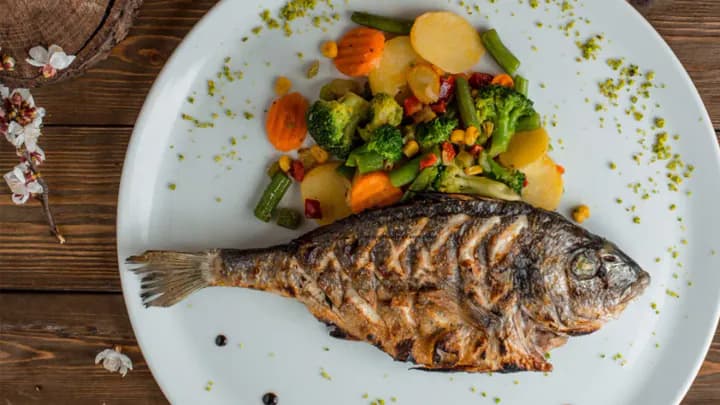
TL;DR: "Superfood" is marketing language, but nutrient density is real. Berries, leafy greens, chia and flax, avocado, quinoa, beans, and low-mercury fatty fish deliver a lot of nutrition per calorie. They support steadier energy mainly by adding fiber, protein, and healthy fat — not through any special metabolic effect.
What is a superfood, and is it a real nutrition category?
A superfood is a whole food with an unusually high ratio of nutrients — vitamins, minerals, fiber, unsaturated fats, and plant compounds — to calories. That is the entire concept. There is no regulatory definition, no official list, and no threshold a food has to cross to earn the name.
That matters because the word gets attached to almost anything with a green label. Our editorial rule is simple: if a food would still be worth eating without the word "superfood" on the package, it counts. If the word is doing the selling, it usually does not.
The useful version of this idea is nutrient density. A cup of lentils and a cup of soda both deliver calories; only one also delivers protein, fiber, folate, and iron. Building meals around dense foods means you get more nutrition without having to eat more food — which is the actual mechanism behind almost every benefit people attribute to superfoods.
Which foods actually earn the superfood label?
The short list is boring and that is a good sign: berries, dark leafy greens, cruciferous vegetables, beans and lentils, nuts and seeds, whole grains like quinoa and oats, avocado, and low-mercury fatty fish. Each brings something the others do not, which is why variety beats devotion to any single item.
| Food | Main contribution | Practical serving | Easiest way to use it |
|---|---|---|---|
| Blueberries (fresh or frozen) | Fiber, vitamin C, anthocyanins | About ¾ cup | Stirred into oatmeal or yogurt |
| Spinach, kale, chard | Folate, vitamin K, magnesium, non-heme iron | 2 cups raw / ½ cup cooked | Wilted into pasta sauce, soup, or eggs |
| Chia and ground flaxseed | Soluble fiber, ALA omega-3, some protein | 1–2 tablespoons | Into smoothies, yogurt, or overnight oats |
| Avocado | Monounsaturated fat, potassium, fiber | Half a medium fruit | On toast, in bowls, blended into dressing |
| Quinoa | Plant protein with a complete amino acid profile, magnesium | ½ cup cooked | Base for grain bowls and salads |
| Lentils and black beans | Protein, fiber, iron, folate — cheapest on this list | ½–1 cup cooked | Soups, chili, tacos, salad topper |
| Salmon, sardines, Atlantic mackerel | EPA and DHA omega-3s, vitamin D, protein | 3–4 oz, twice weekly | Roasted, canned on toast, flaked into grain bowls |
Notice what is missing: imported powders, exotic dried berries sold by the ounce, and anything marketed primarily as a detox. Those are not harmful, but they are the most expensive way to buy nutrients you can get from a bag of frozen spinach.
How does superfood nutrition actually raise energy levels?
Through three unglamorous mechanisms: steadier blood sugar, better satiety, and filling nutrient gaps. Fiber and fat slow gastric emptying, so glucose enters the bloodstream gradually instead of spiking and dropping. Protein keeps you full enough that you do not reach for a 3 p.m. sugar fix. And if you were genuinely low in iron, B12, or vitamin D, correcting that can change how you feel substantially.
What superfoods do not do is add energy. Calories add energy. A kale smoothie does not contain a stimulant, and if chronic fatigue is your main complaint, food is one input among several — thyroid function, iron status, sleep apnea, depression, and medication side effects are all more likely explanations. We cover the sleep side of that equation in our guide to recovering from sleep debt, and persistent tiredness is worth raising with a qualified professional rather than solving in the produce aisle.
One honest clarification on chia and flax: the omega-3 they contain is ALA, and the body converts only a small fraction of it into the EPA and DHA that most omega-3 research is built on. Eat them for fiber and for the fat quality — but if EPA and DHA are the goal, fatty fish (or an algae-based source for vegetarians) does the job far more directly.
What do nutrient-dense foods cost, and where can you swap down?
Nutrient density and price are barely related, which is the most useful thing to know about this whole topic. The cheapest items on any credible superfood list — dried lentils, frozen spinach, canned sardines, rolled oats, cabbage, eggs — are often the densest. The expensive ones are usually expensive because of shipping and branding.
| Marketed as a superfood | Cheaper food that does the same job | What you give up |
|---|---|---|
| Acai or goji berry powder | Frozen mixed berries | Nothing meaningful; you gain fiber and volume |
| Fresh wild salmon fillet | Canned sardines or canned pink salmon | Texture and presentation, not omega-3s |
| Bagged baby kale | Frozen chopped spinach or fresh cabbage | Convenience; frozen greens keep for months |
| Greens powder scoop | Any two vegetables you will actually eat | Portability; you gain fiber and satiety |
| Chia pudding cups | Chia seeds bought in bulk | A lot of added sugar, in your favor |
The decision rule we use: if a product's main selling point is a nutrient, check whether an ordinary whole food supplies the same nutrient for less per serving. It usually does, and you get the fiber and volume as a bonus.
What are the costly mistakes people make with superfoods?
The expensive ones are buying processed snack bars branded as superfoods, treating powders as meal replacements, and eating the same two vegetables every day. The subtle ones are more interesting.
- Assuming spinach is a great iron source. It contains iron, but it is non-heme iron, and spinach's oxalates bind minerals during digestion. Pairing greens with a vitamin C source — peppers, citrus, tomato — meaningfully improves non-heme iron absorption. Drinking strong tea or coffee with the same meal works against you.
- Adding superfoods on top of everything else. A tablespoon of nut butter, a quarter avocado, and a handful of walnuts are all excellent foods, and together they are a substantial amount of calories. Nutrient-dense is not the same as calorie-free.
- Buying fresh produce you won't eat. Spoiled berries deliver zero nutrition at premium prices. Frozen is the higher-performing choice for anyone who shops once a week.
- Turmeric without context. Curcumin is poorly absorbed on its own; it is traditionally cooked with fat and black pepper for a reason. Use it as a seasoning and enjoy it — just do not expect a spoonful in hot water to act like a medicine.
- Ignoring the gut side. A sudden jump from low-fiber to high-fiber eating causes bloating and discouragement. Ramp up over two to three weeks; our practical guide to gut health covers how to do that without misery.
Who should be cautious with certain superfoods?
Several of these foods interact with real medical situations, and this is where generic advice does damage. If any of the following applies to you, talk to your own physician or a registered dietitian before making a large change.
- People taking warfarin. Leafy greens are high in vitamin K, which affects how the medication works. The guidance is consistency, not avoidance — a sudden daily kale habit can shift your levels.
- A history of calcium oxalate kidney stones. Spinach, beets, almonds, and chocolate are high in oxalate, and clinicians often advise limiting them or pairing them with calcium at the same meal.
- Advanced kidney disease. Avocado, bananas, and beans are potassium-rich, and potassium is frequently restricted in later-stage kidney disease.
- Pregnancy. Choose low-mercury fish — salmon and sardines are fine; swordfish, king mackerel, and shark are the ones to avoid. Note that Atlantic mackerel and king mackerel are different fish with very different mercury profiles.
- Thyroid conditions. Very large intakes of raw cruciferous vegetables are occasionally discussed as a concern; normal cooked portions are not, but it is worth a conversation if you drink large daily kale smoothies.
None of this is a reason to fear vegetables. It is a reason to individualize, which is precisely what a blanket superfood list cannot do.
What does one realistic day of nutrient-dense eating look like?
Here is a worked example built for a normal weekday, not a photo shoot. It lands around 1,900–2,100 calories with roughly 100g of protein and well over 30g of fiber, without any specialty ingredients.
- Breakfast: Oats cooked with milk, a tablespoon of chia, frozen blueberries, and a spoon of peanut butter.
- Lunch: Quinoa bowl with black beans, roasted red pepper, half an avocado, spinach, lemon and olive oil.
- Snack: An apple with a small handful of walnuts.
- Dinner: Roasted salmon with sweet potato and broccoli on one tray — the approach we lay out in our sheet-pan dinner guide.
- Evening: Plain yogurt with a square of dark chocolate.
The structural point is that every meal contains a protein anchor, a fiber source, and a fat source. Get that pattern right and the specific foods become interchangeable — which is what makes the habit survivable in month six.
How do you start without overhauling your whole diet?
Use the one-swap rule: change a single recurring meal, keep it for two weeks, then change the next one. Recurring meals are where the leverage is, because breakfast happens 365 times a year and a dinner party happens twice.
Start with whichever meal you currently eat on autopilot. Add frozen spinach to the sauce you already make. Put beans in the chili you already cook. Move oats into the slot currently occupied by a pastry. Nobody has ever quit a diet because of one changed breakfast.
Food also works better alongside the rest of your routine rather than instead of it. Steady aerobic work — see our Zone 2 cardio guide — improves how your body uses fuel, and a morning sunlight habit supports the circadian timing that governs how alert you feel at 10 a.m. If you are considering supplements on top of food, our breakdown of magnesium glycinate dosing and safety shows the level of scrutiny each one deserves.
One final caveat: this article is general information, not medical advice. If you have a diagnosed condition, take prescription medication, or are pregnant, run dietary changes past a qualified professional who knows your history.
Key takeaways
- "Superfood" is an unregulated marketing term; nutrient density is the real, measurable idea underneath it.
- Steadier energy comes from fiber, protein, and fat stabilizing blood sugar — not from any special property of a single food.
- The densest foods are often the cheapest: lentils, frozen spinach, canned sardines, oats, eggs, cabbage.
- Chia and flax supply ALA, which converts poorly to EPA and DHA; fatty fish or algae oil is the direct route.
- Warfarin, kidney stones, advanced kidney disease, and pregnancy all change the advice — individualize with a clinician.
- Change one recurring meal at a time and ramp fiber up over two to three weeks to avoid digestive backlash.
Frequently asked questions
Is "superfood" an official nutrition term?
No — "superfood" has no legal or scientific definition, and in the European Union health claims on food labels are regulated, which is why the word is used loosely in marketing. It is a popular shorthand for foods with a high ratio of nutrients to calories, which is a real and measurable quality even though the label itself is not regulated in most markets.
Can superfoods replace a balanced diet?
No. Superfoods are additions, not substitutes — your energy still comes mainly from total calories, adequate protein, iron, B12, and sleep. A bowl of berries on top of an under-fueled, under-slept day will not fix fatigue, and persistent tiredness deserves a conversation with a qualified professional rather than a grocery list.
Are frozen berries as good as fresh?
Yes, for most practical purposes — berries are typically frozen soon after harvest, which preserves nutrients well, and they are usually far cheaper per serving. Frozen fruit also removes the spoilage problem that makes fresh berries expensive in real life, since fruit you throw away has zero nutritional value.
Do superfood powders work as well as whole foods?
Generally no, and they cost far more per serving. Powders lose the fiber structure, volume, and satiety of whole food, dosages are often small, and the flavor is usually masked with added sugar. If you use one, treat it as a convenience item for travel rather than the foundation of your diet.
How long before I notice a difference?
Most people notice steadier energy and fewer mid-afternoon slumps within one to two weeks, mainly because higher-fiber, higher-protein meals blunt blood sugar swings. Changes tied to iron status, body composition, or blood markers take months, not days, and are best judged with a clinician rather than by feel.
Which superfoods are worth buying organic?
None of them are nutritionally required to be organic — the evidence for meaningful nutrient differences is weak, and pesticide residue on conventional produce is generally well below safety limits. If organic pricing means you buy less produce overall, conventional produce eaten in larger amounts is the better trade.
Are there people who should avoid certain superfoods?
Yes. People taking warfarin need consistent vitamin K intake rather than sudden spinach and kale increases, people with a history of calcium oxalate kidney stones may be advised to limit high-oxalate greens, people with advanced kidney disease often need potassium restriction, and pregnant people should choose low-mercury fish. Check with your own clinician.