Scalp Care in 2026: Healthier Hair Starts at the Root
Scalp care is the quiet foundation of healthy hair. Here is our simple, dermatologist-friendly routine for a balanced scalp in 2026.

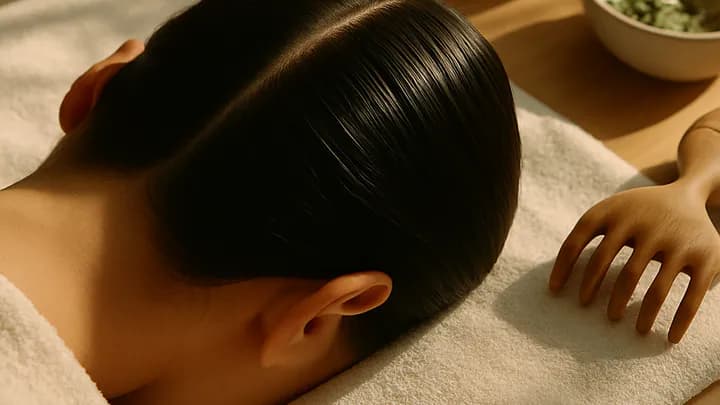
TL;DR: Scalp care is skincare for the skin under your hair. In 2026, the smartest routine is simple: cleanse on a rhythm that matches your scalp type, exfoliate gently when there's buildup, hydrate with lightweight serums, protect from sun and heat, and pay attention to what your scalp is telling you. Do this consistently and you'll notice calmer skin, less itch, and hair that looks healthier — not because of any single product, but because the foundation is finally in good shape.
For years, hair care conversations focused on lengths and ends. That's shifted. More of us now recognize that shiny, resilient hair starts several centimeters above where we usually look — at the follicle, the sebaceous glands, and the microbiome living quietly on our scalp. If we ignore that ecosystem, no bond-building mask can fully compensate.
Our team put together this guide as a calm, practical starting point. It's not a trend list. It's the routine we'd recommend to a friend who's tired of buying products that don't quite work.
Why scalp care matters more than we used to think
The scalp is skin — but it's skin with a very high density of hair follicles, oil glands, and nerve endings. It's also constantly exposed to friction, styling products, sweat, sun, and pollution. When that environment gets out of balance, we tend to notice it downstream: dullness, flakes, itching, oiliness that returns within hours, or hair that feels thinner than it did a year ago.
Most dermatologists frame scalp health around a few basics: a balanced microbiome, controlled oil production, adequate hydration, and minimal irritation. Almost every good scalp habit maps back to one of those four goals.
Signs your scalp needs more attention
- Persistent itch, even shortly after washing
- Flakes — small and dry, or larger and greasy
- Tenderness, tightness, or a burning sensation after styling
- Oil that returns within hours of shampooing
- Increased shedding beyond your usual pattern
- Redness or small bumps along the hairline
None of these mean panic. They mean pay attention. Many respond well to routine changes; some deserve a professional opinion, which we'll cover below.
Know your scalp type first
Before buying anything, spend a week observing. Wash your hair as you normally would and note how your scalp feels at 24, 48, and 72 hours. Ask yourself:
- Does the scalp feel oily quickly, or stay comfortable for days?
- Is there tightness or flaking, especially in colder months?
- Does itching flare up with certain products or hairstyles?
- Do you use a lot of dry shampoo, gel, or heat styling?
Most scalps fall roughly into oily, dry, combination, sensitive, or balanced categories — and many of us shift between them with seasons, hormones, and stress. A useful routine flexes with those changes rather than treating them as failures.
The core scalp care routine for 2026
Here is the framework we recommend. It has five layers, and you don't need every product on every wash day.
1. Cleansing on the right rhythm
Cleansing is the single most important step. The goal is to remove excess oil, sweat, product residue, and pollution without stripping the barrier.
- Oily scalps: A gentle daily or every-other-day shampoo, focused on the scalp itself, not the lengths.
- Dry or curly scalps: Often once or twice a week, using a hydrating or co-wash formula.
- Sensitive scalps: Fragrance-free, sulfate-optional formulas with soothing ingredients like panthenol or oat.
Massage with your fingertips, not your nails. Rinse thoroughly — leftover shampoo is a surprisingly common cause of itch and dullness.
2. Weekly (or occasional) exfoliation
If you use styling products, live in a city, or feel a distinct "film" on the scalp, a light exfoliation once a week can help. There are two general approaches:
- Chemical exfoliants with salicylic acid or gentle AHAs, which dissolve buildup and support cell turnover.
- Physical scrubs with fine, dissolvable particles, best used sparingly and never on irritated skin.
Skip exfoliation entirely if your scalp is inflamed, sunburned, or actively flaking from a suspected medical condition — that needs a different approach.
3. Hydration and treatment
Scalp serums have become one of the most useful additions to modern routines. Look for lightweight, leave-on formulas rather than heavy oils, especially if you have fine hair. Ingredients worth knowing about:
- Niacinamide — supports barrier comfort and can help with redness
- Peptides — often included for follicle support and general skin health
- Panthenol and hyaluronic acid — draw in and hold hydration
- Zinc PCA — helps regulate oiliness
- Rosemary or caffeine extracts — commonly used for stimulation, though results vary
Apply a few drops directly to the scalp, part by part, on clean and towel-dried hair. Massage in for a minute or two. That massage is not filler — improved circulation and reduced tension genuinely help the scalp feel better.
4. Protection
The scalp is one of the most sun-exposed and most forgotten parts of the body. Consider:
- A hat or scalp-specific SPF spray on bright days, especially along the part line
- Heat protection when using blow dryers or hot tools, and lower temperature settings when possible
- Loose hairstyles more often than tight ones, to reduce traction on follicles
- Silk or satin pillowcases, which reduce friction overnight
5. Lifestyle inputs
Nothing in a bottle outperforms sleep, hydration, and a reasonably varied diet. Stress, restrictive eating, thyroid changes, iron levels, and hormonal shifts all show up on the scalp eventually. If something feels off, that's a real signal — not vanity.
Common mistakes we see
- Over-washing to control oil. Aggressive daily shampoos can push some scalps to produce even more oil.
- Piling on oils. Heavy coconut or castor oil layered on an already oily scalp can worsen buildup and even breakouts along the hairline.
- Skipping the scalp on conditioner day. Fine — but then don't skip it on shampoo day either.
- Chasing every viral serum. Give a routine at least 8–12 weeks before judging results. Hair grows slowly, and so does real change.
- Ignoring persistent symptoms. Ongoing itch, pain, or shedding deserves a dermatologist, not another Amazon order.
A realistic weekly routine
Here's what a balanced week might look like for a combination scalp with medium-density hair:
- Wash days (2–3 per week): Gentle shampoo focused on the scalp, followed by conditioner on the mid-lengths and ends only.
- One wash day per week: Add a scalp exfoliant before shampoo, or use a clarifying shampoo instead.
- 2–4 evenings per week: Apply a lightweight scalp serum and massage for 1–2 minutes.
- Daily: Loose hairstyles, gentle brushing, and sun awareness.
Adjust freely. The best routine is the one you'll actually follow.
When to see a professional
Book a dermatologist or trichologist if you notice sudden or patchy hair loss, persistent painful bumps, flakes that don't respond within a few weeks of consistent care, or scalp changes alongside other health symptoms. Conditions like seborrheic dermatitis, psoriasis, folliculitis, and various forms of alopecia have effective treatments — but only when correctly diagnosed.
Key takeaways
- The scalp is skin, and it responds best to consistent, gentle care.
- Cleanse on a rhythm that fits your scalp type, not a trend.
- Exfoliate lightly when there's buildup, and skip it when your scalp is irritated.
- Lightweight serums and short daily massage often outperform heavy oils.
- Sun protection, loose styles, and sleep matter more than any single product.
- Persistent symptoms deserve a professional opinion, not another purchase.
Editorial disclosure: This article is for general educational purposes and reflects widely accepted scalp and hair care principles. It is not medical advice. If you're experiencing hair loss, painful or persistent scalp symptoms, or suspect an underlying condition, please consult a qualified dermatologist or licensed healthcare professional who can evaluate your individual situation.
Frequently asked questions
How often should I wash my scalp?
It depends on your scalp type. Oily scalps often benefit from washing every one to two days, while dry or curly scalps may only need cleansing once or twice a week. Adjust based on how your scalp feels, not a rigid schedule.
Is scalp exfoliation actually necessary?
Not always, but it can help if you use styling products, live in a polluted area, or notice buildup and flakes. A gentle chemical or physical exfoliation once a week is usually enough for most people.
Can a healthier scalp really help hair grow?
A calm, well-nourished scalp creates a better environment for hair follicles to function normally. It won't override genetics or medical hair loss, but it can reduce breakage and support the hair you already have.
What's the difference between dandruff and a dry scalp?
Dry scalp produces small, powdery flakes and feels tight. Dandruff usually involves larger, oilier flakes and often itching, and is linked to a yeast-like microbe. They need different treatments, so persistent symptoms deserve a professional opinion.
Do scalp serums and oils work?
Well-formulated scalp serums with ingredients like niacinamide, peptides, or soothing botanicals can help with comfort and balance. Oils can moisturize, but heavy use on an already oily scalp may worsen buildup, so choose based on your scalp type.
When should I see a dermatologist about my scalp?
Book an appointment if you notice sudden shedding, persistent itching, painful bumps, patches of hair loss, or flakes that don't respond to over-the-counter care within a few weeks. A dermatologist can diagnose conditions that need targeted treatment.