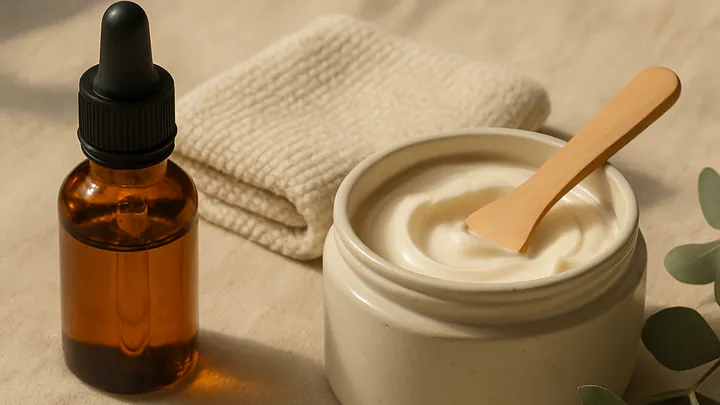
Scalp Care in 2026: The New Foundation of Hair Health
Healthy hair starts at the scalp. Here's our 2026 guide to scalp care routines, ingredients, and habits that actually make a visible difference.

TL;DR: In 2026, scalp care has become the quiet foundation of every serious hair routine. Treating the scalp like skin — cleansing it properly, exfoliating gently, hydrating it, and protecting its barrier — is what creates shinier, denser, longer-lasting hair. You don't need a 10-step ritual; you need the right four or five moves, done consistently. This guide walks through the routine, the ingredients worth knowing, the habits that quietly sabotage your scalp, and when to bring in a professional.
Why scalp care became the headline of 2026 beauty
For years, haircare marketing focused on the strand: smoothing serums, bond builders, heat protectants, glossing sprays. Those products still matter. But the conversation has shifted upstream. Stylists, dermatologists, and trichologists keep repeating the same message — if the soil is poor, the plant cannot thrive.
The scalp is skin. It has a microbiome, a moisture barrier, oil glands, and follicles that respond to inflammation, buildup, stress, and sun exposure. When we ignore it, we see the consequences months later in thinning ponytails, dull mid-lengths, persistent flaking, or hair that simply won't grow past a certain length.
The 2026 approach is refreshingly simple: borrow the logic of a good skincare routine, scale it down, and apply it to the top of your head.
What a healthy scalp actually looks and feels like
Before building a routine, it helps to know what we're aiming for. A balanced scalp generally feels comfortable — not tight, not itchy, not greasy by the end of the day. It looks even in tone, without large red patches, visible flakes, or shiny buildup around the part line.
Common signals that something is off include:
- Itching that returns within a day or two of washing
- Flakes that cling to dark clothing
- A tender or sore feeling when you move your part
- Oil at the roots within hours of shampooing
- Hair that looks limp at the crown, even when the ends look fine
- Tiny bumps or pimples along the hairline
Most of these are everyday irritation or buildup issues, not medical problems. But if symptoms are severe, painful, spreading, or accompanied by noticeable hair loss, that is a cue to see a dermatologist rather than to keep experimenting at home.
The four-step scalp care routine we recommend
Our team has tested a lot of multi-step regimens. The one that consistently delivers visible improvement without becoming a chore comes down to four moves: cleanse, exfoliate, treat, and massage. You don't need every step every day.
1. Cleanse, properly
Most people either under-wash or wash on autopilot. Focus shampoo on the scalp, not the lengths. Use the pads of your fingertips — not your nails — and work in small circles for at least 60 seconds. Rinse for longer than feels necessary; leftover product is one of the most common causes of itch and dullness.
If your scalp gets oily quickly, a clarifying wash once a week can reset things. If it runs dry, look for gentle, sulfate-light formulas and keep the water lukewarm rather than hot.
2. Exfoliate, gently
Just like the skin on your face, the scalp sheds dead cells. When those cells mix with sebum, sweat, and styling product, you get the buildup that flattens roots and clogs follicles. A weekly scalp exfoliant — either a physical scrub or a chemical formula with salicylic acid — clears that layer.
Apply to a damp scalp, work in with fingertips, leave on for a couple of minutes, then shampoo as usual. If you have a sensitive or eczema-prone scalp, skip physical scrubs and patch test any acid-based product first.
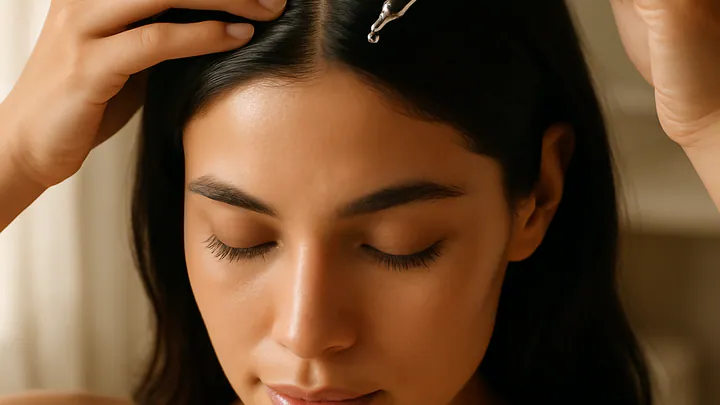
3. Treat with a leave-on serum
This is the step that has changed most in the last two years. Leave-on scalp serums sit on the skin for hours, which means active ingredients have real time to work. Look for formulas built around:
- Niacinamide for balance and comfort
- Peptides to support the follicle environment
- Caffeine for a temporary circulation boost
- Panthenol or ceramides to keep the barrier comfortable
- Salicylic acid (in lower-strength daily versions) for oily, buildup-prone scalps
Apply to a clean, towel-dried scalp two to four times a week, then comb through and style as usual.
4. Massage, daily if you can
Scalp massage is the most underrated step and the cheapest. Two to five minutes a day, with fingertips or a soft silicone tool, can ease tension, distribute natural oils, and improve how your scalp feels almost immediately. It also turns out to be a surprisingly good wind-down ritual before bed.
Whether massage meaningfully increases hair growth is still debated, but the comfort and stress-relief benefits alone make it worth keeping.
Matching the routine to your scalp type
One routine does not fit every head. Here is how we tend to adjust it.
Oily, buildup-prone scalps
Wash more often with a gentle daily shampoo, use a clarifying wash weekly, and choose a lightweight liquid serum rather than an oil. Salicylic acid is your friend; heavy butters and thick oils generally are not.
Dry, tight, or flaky scalps
Reduce wash frequency, switch to a sulfate-light shampoo, and lean on hydrating serums with panthenol, glycerin, or ceramides. Skip physical scrubs and use chemical exfoliants sparingly. A pre-wash oil treatment once a week can also help.
Sensitive or reactive scalps
Simplify aggressively. Fewer products, fragrance-free where possible, and one new variable at a time. If redness or itching is persistent, this is a strong cue to consult a dermatologist rather than layer more actives.
Textured, coily, or protective-style hair
Scalp access matters as much as product choice. Use nozzle-tip applicators to reach the skin between braids or twists, focus on hydration and barrier support, and build in dedicated wash days rather than trying to squeeze cleansing into a quick rinse.
Habits that quietly sabotage your scalp
Products can only do so much if daily habits keep undoing the work. A few of the patterns we see most often:
- Tight, repetitive hairstyles in the same spot every day, which stress the follicles along the hairline
- Sleeping with product-heavy hair without a clean pillowcase or silk wrap
- Skipping SPF on the part line, especially in summer or at altitude
- Very hot water in the shower, which can leave the scalp dry and reactive
- Aggressive towel-drying that creates friction right at the root
- Chronic stress and poor sleep, which show up in skin everywhere — including the scalp
Fixing two or three of these often does more than adding another product.
When to see a professional
Home routines work well for everyday concerns: dullness, mild flaking, occasional itch, sluggish growth. They are not the right tool for medical issues. Consider booking a dermatologist or trichologist if you notice:
- Sudden or patchy hair loss
- Widening parts or a visibly thinner ponytail over a few months
- Painful sores, persistent redness, or crusting
- Severe dandruff that does not respond to over-the-counter shampoos
- Burning, stinging, or scalp pain
A short professional visit can save months of guesswork — and rule out conditions that need actual treatment rather than a new serum.
A realistic timeline for results
Comfort improvements — less itch, fewer flakes, a calmer feeling at the end of the day — usually show up within one to two weeks of a consistent routine. Visible changes in shine, volume at the root, or density take longer, often two to three months, because that is roughly how long new growth needs to become noticeable.
Consistency beats intensity. A simple routine you actually do four nights a week will outperform an elaborate one you abandon after a fortnight.
Key takeaways
- Treat your scalp like skin: cleanse, exfoliate, hydrate, and protect the barrier.
- A four-step routine — cleanse, exfoliate weekly, leave-on serum, daily massage — covers most needs.
- Match products to your scalp type; oily, dry, sensitive, and textured scalps all need different tweaks.
- Daily habits (tight styles, hot water, no SPF, rough towel-drying) often matter more than the next product.
- Expect comfort gains in weeks and visible hair changes in months.
- For sudden hair loss, pain, or severe flaking, see a dermatologist rather than self-treating.
Editorial disclosure: This article is for general educational purposes and reflects our editorial team's research and experience. It is not medical advice and is not a substitute for an individual consultation. If you have persistent scalp symptoms, hair loss, or any condition that concerns you, please speak with a qualified dermatologist, trichologist, or other healthcare professional who can assess your situation directly.
Frequently asked questions
How often should I exfoliate my scalp?
For most people, once a week is enough. If your scalp gets oily quickly or you use a lot of styling products, you can go up to twice a week, but stop if you notice irritation, flaking, or tightness.
Can scalp care really help with hair thinning?
A healthy scalp creates a better environment for hair to grow, but it cannot reverse genetic hair loss on its own. If you are seeing noticeable shedding or thinning, pair scalp care with advice from a dermatologist or trichologist.
Do I need a separate scalp serum, or is shampoo enough?
Shampoo cleanses, but it rinses off quickly. A leave-on scalp serum stays in contact with the skin for hours, which is why it tends to deliver more visible results for issues like dryness, oiliness, or dullness over time.
Is daily washing bad for the scalp?
Not necessarily. Washing frequency depends on your scalp type, hair texture, and activity level. Oily scalps often do well with frequent gentle washing, while drier scalps usually prefer two to three washes per week.
What ingredients should I look for in a scalp product?
Look for salicylic acid for buildup, niacinamide for balance, peptides and caffeine for circulation support, and ceramides or panthenol for barrier comfort. Avoid heavy fragrance and strong sulfates if your scalp is sensitive.
How long until I see results from a new scalp routine?
Comfort changes like less itch or flaking can show up within a week or two. Visible changes in shine, volume, or density usually take two to three months because that's how long it takes for new hair to grow in noticeably.