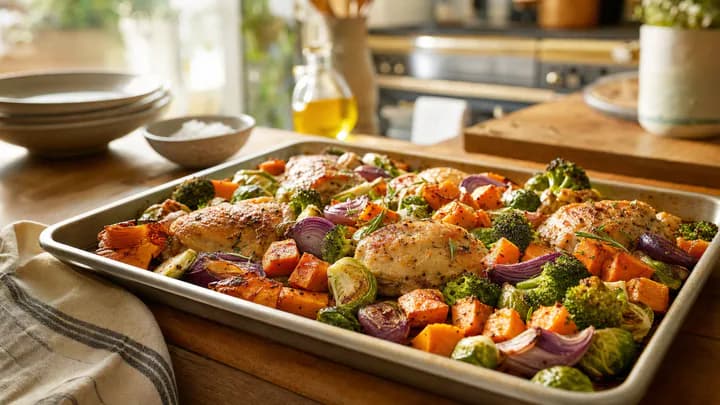
Sheet Pan Dinners in 2026: Easy Weeknight Wins
Sheet pan dinners are the smartest weeknight strategy of 2026. Here's how to build balanced, flavorful meals on a single tray — with minimal cleanup and maximum reward.

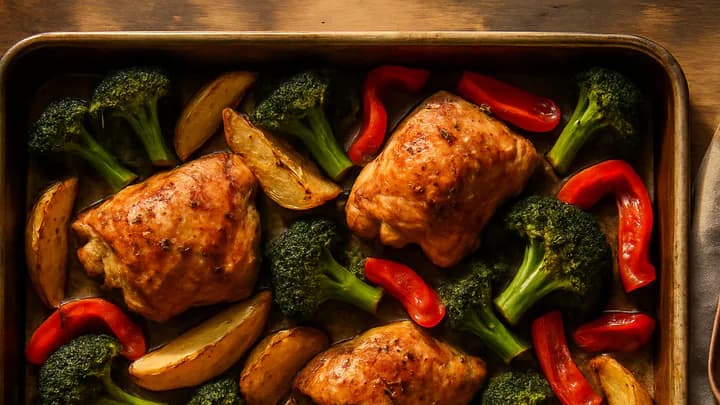
TL;DR: Sheet pan dinners are the most efficient weeknight cooking method for 2026 — one tray, one oven, one round of cleanup. The trick is matching cook times, giving ingredients room to roast (not steam), and layering flavor with smart seasoning. Master a few reliable ratios and you can improvise dinner from almost anything in your fridge.
We've spent years testing weeknight strategies in our test kitchens, and no method delivers more consistently than the humble sheet pan. It's forgiving, endlessly adaptable, and rewards the cook who understands a few basic principles. Whether you're feeding a family after work or cooking for one on a slow Sunday, this guide walks through everything we've learned about making sheet pan dinners actually work.
Why Sheet Pan Dinners Deserve Your Attention in 2026
Home cooking habits have shifted. More of us are working from home at least part of the week, grocery costs remain a real concern, and there's growing fatigue with delivery apps that arrive lukewarm and overpriced. Sheet pan dinners answer all three pressures: they're inexpensive, fast, and produce food that genuinely tastes homemade because it is homemade.
There's also a quiet mental-load benefit. When dinner lives on one tray, decision fatigue drops. You're not juggling three pans, timing a starch against a protein, and washing a stack of dishes at 9 p.m. The oven does the work while you handle everything else that a weeknight demands.
The core promise
- 15 minutes of active prep, most nights
- 25–40 minutes of hands-off oven time
- One pan, one cutting board, minimal cleanup
- Endlessly customizable to what's in your fridge
The Anatomy of a Great Sheet Pan Dinner
Every successful sheet pan meal we've built follows the same basic structure. Once you internalize it, you can stop reading recipes altogether and start improvising.
1. A protein anchor
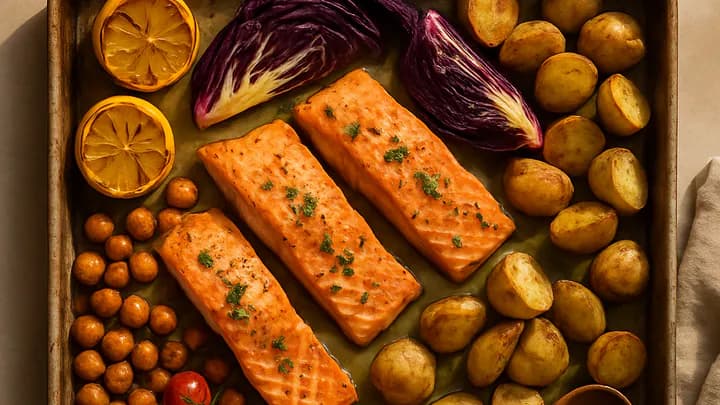
Choose one protein that roasts well at high heat: chicken thighs (our go-to for forgiveness), salmon fillets, Italian sausage, shrimp, pork tenderloin, chickpeas, or firm tofu. Avoid delicate cuts like chicken breast unless you're confident about timing — they dry out quickly.
2. A hearty vegetable
This is the base layer that can handle 30–40 minutes in the oven. Think potatoes, sweet potatoes, carrots, cauliflower, Brussels sprouts, winter squash, or beets. Cut them into roughly uniform pieces so they cook evenly.
3. A quick-cooking vegetable
Added partway through, this brings color and freshness: asparagus, bell peppers, cherry tomatoes, zucchini, green beans, or broccoli florets. These typically need 12–18 minutes rather than a full roast.
4. Fat, acid, and seasoning
Olive oil is standard, but avocado oil handles higher heat beautifully. Salt generously — vegetables absorb more than you think. And finish with something bright: a squeeze of lemon, a drizzle of vinegar, a sprinkle of fresh herbs, or a dollop of yogurt after roasting.
Timing: The Skill That Separates Good From Great
The single most common sheet pan mistake is throwing everything on the tray at the same time. Delicate vegetables burn while dense ones stay raw. Here's how we stagger it.
The 15-minute head start
Start dense vegetables (potatoes, carrots, squash) alone on the pan for 15 minutes at 425°F. Then pull the tray, push them to one side, and add your protein plus quick-cooking vegetables. Roast another 15–20 minutes until everything is done.
The all-in approach
If you're using ingredients with similar cook times — say, salmon with asparagus and cherry tomatoes — you can roast everything together for 12–15 minutes at 425°F. Cut the vegetables slightly larger than bite-sized so they don't overcook.
Cut size is a timing tool
You can equalize cook times just by adjusting cut size. Small potato cubes cook in the same time as chicken thighs. Larger asparagus spears hold up better than pencil-thin ones. Think of your knife as a timer.
Five Flavor Formulas That Never Fail
We keep these seasoning combinations on rotation. Each one takes a base of oil and salt and adds character with pantry staples.
- Mediterranean: Olive oil, oregano, garlic, lemon zest, red onion. Finish with feta and parsley.
- Smoky harissa: Olive oil, harissa paste, cumin, honey. Finish with cilantro and yogurt.
- Maple-mustard: Dijon, maple syrup, olive oil, thyme. Great with pork, chicken, or root vegetables.
- Sesame-ginger: Soy sauce, sesame oil, grated ginger, garlic, a pinch of sugar. Finish with sliced scallions and sesame seeds.
- Herby garlic butter: Melted butter, minced garlic, rosemary, parsley, lemon. Classic for chicken, shrimp, or fish.
Common Problems and How to Fix Them
Everything is steaming, not roasting
Your pan is overcrowded. Ingredients need space so moisture can evaporate. If your recipe overflows one pan, use two — or reduce the volume. A crowded tray is the number-one enemy of good browning.
Vegetables burn before protein cooks through
Your oven likely runs hot, or your rack is too high. Move the pan to the middle rack and consider dropping the temperature to 400°F, adding a few extra minutes.
Chicken skin isn't crispy
Pat the skin very dry before oiling and salting. Start skin-side up and don't move the pieces during cooking. If you want extra crispness, finish with 2–3 minutes under the broiler.
The pan is impossible to clean
Line it next time. Parchment paper handles most dry-roasted meals. For sticky glazes and marinades, use heavy-duty foil. Your future self will thank you.
Building a Weekly Sheet Pan Rotation
The real payoff comes when sheet pan dinners become a habit rather than a novelty. We suggest starting with a rotation of three or four proven combinations and expanding from there.
- Monday: Chicken thighs with potatoes and lemon-oregano seasoning
- Wednesday: Salmon with asparagus and cherry tomatoes
- Friday: Sausage with peppers, onions, and fennel
- Sunday: Roasted chickpeas with sweet potato and harissa
Once these feel automatic, swap ingredients within the same structure. Chicken becomes tofu. Potatoes become squash. The framework holds even as the flavors change.
Equipment That Actually Matters
You don't need much, but the right basics make a real difference.
- A heavy, rimmed half-sheet pan (18" x 13"): Thin pans warp and encourage hot spots. A sturdy aluminum pan lasts decades.
- Parchment paper or a silicone mat: For easy cleanup and better release.
- A sharp chef's knife: Uniform cuts mean uniform cooking.
- An instant-read thermometer: Removes the guesswork with chicken, pork, and fish.
Editorial Note
This article is for general home-cooking guidance. If you have specific dietary needs, food allergies, or medical conditions that affect your diet, please consult a qualified dietitian or healthcare professional before making changes. Always follow safe food handling temperatures — 165°F (74°C) for poultry and 145°F (63°C) for fish and whole cuts of pork are the standard guidelines from most food safety authorities.
Key Takeaways
- Sheet pan dinners work because they combine a protein, a hearty vegetable, a quick-cooking vegetable, and smart seasoning on one tray.
- Roast at 400–425°F on the middle rack for the best balance of browning and even cooking.
- Give ingredients room to breathe — overcrowding causes steaming, not roasting.
- Stagger cook times by adding delicate ingredients 15 minutes after starting dense ones.
- Line the pan, cut ingredients uniformly, and finish with something bright like lemon or fresh herbs.
- Build a rotation of three or four reliable combinations, then improvise within that framework.
Frequently asked questions
What is a sheet pan dinner?
A sheet pan dinner is a complete meal — protein, vegetables, and often a starch — roasted together on a single rimmed baking tray. Everything cooks in the oven at once, which keeps prep and cleanup minimal.
What temperature is best for sheet pan dinners?
Most sheet pan dinners work best between 400°F and 425°F (205–220°C). That range is hot enough to caramelize vegetables and crisp proteins without drying them out before the interior finishes cooking.
Why do my sheet pan vegetables turn out soggy?
Sogginess usually comes from overcrowding the pan or using too little heat. Give ingredients room in a single layer, pat them dry before roasting, and preheat the oven fully so moisture evaporates instead of steaming the food.
Can I make sheet pan dinners ahead of time?
Yes. You can chop vegetables, marinate proteins, and mix seasonings up to a day in advance, storing components separately in the fridge. Assemble on the tray right before roasting for the best texture.
What proteins work best on a sheet pan?
Chicken thighs, salmon, sausages, shrimp, tofu, and pork tenderloin are reliable choices. They cook in a similar timeframe to most roasted vegetables and hold up well to high oven heat.
Do I need parchment paper or foil?
Not strictly, but lining your pan makes cleanup much faster and prevents sticking. Parchment gives better browning for most ingredients, while foil handles sticky glazes and marinades more easily.
How do I keep proteins and vegetables from finishing at different times?
Cut denser vegetables like potatoes and carrots smaller, or give them a 10–15 minute head start before adding quicker-cooking items like shrimp, asparagus, or bell peppers to the same tray.