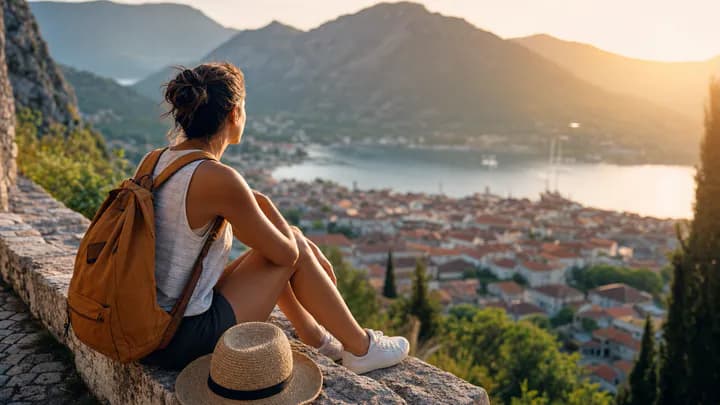
Solo Travel Destinations: Where to Go Alone Worldwide
Not every beautiful city is a good place to be alone in. We compare five proven solo destinations on cost, safety, transport and how easy it is to meet people, then cover the booking traps that quietly punish people traveling one to a room.
Rewritten with AI and republished automatically. Our editors set the standards and fix reported errors — how we work.

TL;DR: Kyoto suits quiet cultural immersion, Chiang Mai stretches a budget furthest, Amsterdam is the easiest first trip in Europe, Queenstown sells adventure with company built in, and Vancouver balances city and wilderness. Pick by how much social contact you want and how far your money must stretch — not by how the photos look.
A solo travel destination is a place whose transport, lodging and social fabric let one person move, eat and sleep comfortably without a companion to split costs, hold a table or watch the bags. That last part matters more than most lists admit. A city can be stunning and still be a poor solo choice because the good restaurants take reservations for two, the buses stop at nine, or the only lodging is a resort priced per couple.
This guide looks at the destinations that keep coming up in solo itineraries and asks a blunter question than usual: what actually goes wrong there when you arrive alone?
What makes a destination genuinely good for solo travel?
Four things, in this order: you can get around after dark without a car, you can eat a real meal alone without awkwardness, lodging is priced in a way that doesn't punish a party of one, and there's a natural on-ramp to meeting people. Scenery is a tiebreaker, not a criterion.
We use a simple screen we call the 10 p.m. walk test. If you can't walk back to your bed from a normal evening meal, or make it there in one direct transit ride, your accommodation is in the wrong place — regardless of how well the neighborhood reviews. Most solo trips that feel stressful are not unsafe; they're logistically lonely, and the culprit is usually a cheap room 40 minutes from everything.
The second screen is the eating-alone test. Counter seating, food halls, noodle shops, market stalls and cafés with communal tables all signal a city where one diner is unremarkable. Destinations built around shared plates and set menus for two — many high-end ryokan, a lot of Korean barbecue, most fine-dining tasting menus — quietly make solo travelers feel like an administrative problem.
Which five destinations work best, and who is each one for?
Kyoto for culture and calm, Chiang Mai for budget and structure, Amsterdam for a low-friction European debut, Queenstown for adventure with instant company, and Vancouver for city life with mountains attached. Here's how they compare on the things that actually shape a solo trip.
| Destination | Best for | Relative daily cost | Ease of meeting people | Main watch-out |
|---|---|---|---|---|
| Kyoto, Japan | Culture, walking, solo dining | Moderate to high | Moderate — quiet, respectful, less spontaneous | Peak-season crowds; some lodging prices per person |
| Chiang Mai, Thailand | Long stays, classes, budget | Low | High — classes and cafés everywhere | Burning-season air quality, roughly Feb–Apr |
| Amsterdam, Netherlands | First solo trip in Europe | High | High — hostel and bar culture | Expensive rooms plus a steep city tourist tax |
| Queenstown, New Zealand | Adventure, outdoors, youth hostels | Moderate to high | Very high — everyone is passing through | Insurance exclusions on adventure sports |
| Vancouver, Canada | Urban comfort plus nature access | High | Moderate — needs effort beyond downtown | Accommodation costs; long gray rainy season |
Kyoto, Japan
Kyoto is close to ideal for a solo traveler who wants long days on foot and no obligation to be social. Trains and buses are punctual, street crime is rare, and counter seating at ramen shops, izakaya and standing bars makes eating alone completely normal. Mornings in the Arashiyama bamboo grove genuinely are better before 8 a.m.
Two practical notes. Traditional ryokan and kaiseki dinners are frequently priced per person with a two-guest minimum, so a solo traveler either pays a premium or books a business hotel and eats out. And the Japan Rail Pass is no longer an automatic bargain after its price increase — price your actual route as individual tickets first, because a Kyoto-and-Osaka trip rarely justifies it.
Chiang Mai, Thailand
Chiang Mai is the best value on this list and the easiest place to build a routine as one person. Cooking classes, Thai language lessons, meditation retreats at local temples, muay thai gyms and a deep café-working culture all give you a reason to show up somewhere twice — which is how acquaintances become friends.
Avoid roughly February to April, when crop and forest burning across the north degrades air quality significantly. If you have asthma or another respiratory condition, or you're traveling with any prescription medication, speak with a qualified healthcare professional before you go and check current air quality readings rather than trusting the weather forecast.
Amsterdam, Netherlands
Amsterdam removes almost every barrier a nervous first-timer worries about: English is near-universal, the city is compact and flat, and hostels run organized social programming. The Van Gogh Museum and Rijksmuseum are both excellent alone, where you set your own pace.
The catch is money. Rooms are expensive, the city tourist tax is charged as a meaningful percentage of the room rate on top, and the canal-belt neighborhoods that look best on a map are the priciest. Solo travelers often get better value in Amsterdam-Noord or the Oud-West, both a short ferry or tram ride from the center.
Queenstown, New Zealand
Queenstown is the most socially frictionless place on this list — a small town where nearly everyone in the hostel is also alone and also leaving on Thursday. Bungee jumping, the Ben Lomond track, Routeburn day hikes and lake swims all work fine without a companion.
Read your travel insurance policy word by word. Many standard policies exclude bungee, skydiving, canyoning and heli-skiing unless you add adventure cover, and New Zealand's accident compensation scheme does not pay for your repatriation or lost trip costs. Also budget for the fact that Queenstown lodging is genuinely expensive in ski season.
Vancouver, Canada
Vancouver gives you a functioning city with wilderness twenty minutes away: the Stanley Park seawall, Grouse Mountain, the North Shore trails, and one of North America's strongest multicultural food scenes. It's also a clean choice for anyone who wants to travel alone without the hostel scene — the transit system, SkyTrain included, makes solo evenings straightforward.
Meeting people takes more deliberate effort here than in Queenstown or Chiang Mai. Run clubs, climbing gyms, and neighborhood events in Mount Pleasant and Commercial Drive do more for you than a downtown bar. Note the eTA requirement if you're arriving by air on a visa-exempt passport.
How much more does traveling alone actually cost?
Expect to pay 20 to 40 percent more per person than a couple would on the same trip, and almost all of that gap is accommodation and packaged tours. Flights, food, museums and transit cost the same whether you're one or two. A double room does not.
One of the costliest mistakes is booking a multi-day guided tour without checking the single supplement. Operators price the trip on double occupancy, then bill a solo traveler extra for the empty half of the room — occasionally enough to buy a separate week elsewhere. Ask three questions before booking: is there a roommate-matching option, is the supplement waived on any departures, and what is the total price including it.
A worked example. A ten-day Chiang Mai trip built around a private guesthouse room, street and market food, one cooking class, one temple day trip and local transport lands in a very different bracket than ten days in Vancouver or Queenstown — often less than half, excluding airfare. If your budget is the binding constraint, the destination choice does more work than any amount of frugality on the ground. If your time is the binding constraint, the opposite is true: pick the place with the shortest flight and the best transit.
Traveling in the quieter months narrows the gap further. Our shoulder season travel guide covers how to pick those windows without landing in monsoon or mud season.
Which destinations should you skip for a first solo trip?
Skip places whose main attraction is nightlife, places that require driving to be functional, and places where you'd be arriving with no shared language and no offline map. None of these are unsafe by default — they're just harder, and a first solo trip should not be a test.
Specific patterns that reliably disappoint solo first-timers:
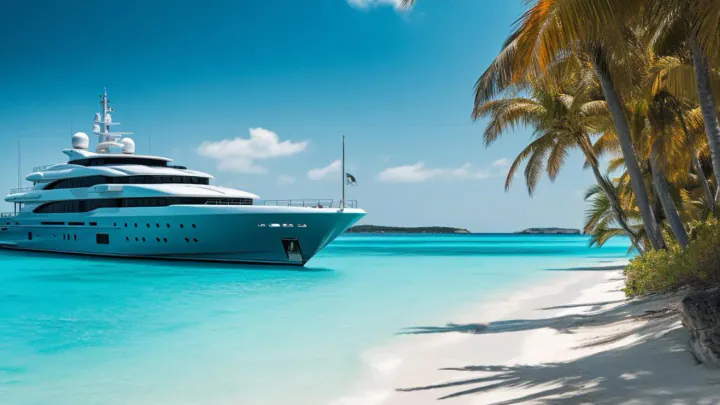
- Resort islands. Priced per room, built for couples, with nothing within walking distance. Beautiful and isolating.
- Sprawling car-dependent cities. Every evening becomes a rideshare decision, and the cost adds up faster than you expect.
- Party destinations. Easy to meet people, hard to meet people you'd want to hike with the next morning.
- Anywhere you're going mainly to prove something. Ambition is fine on trip three. On trip one it produces expensive, exhausting days.
This doesn't apply if you already travel constantly for work, or if you have friends or family at the destination. Existing local contacts change the calculation completely.
How do you meet people without it feeling forced?
Book one hands-on activity in your first 48 hours — a cooking class, a small-group walking tour, a climbing session, a language exchange. Shared tasks generate conversation; shared proximity does not. A hostel common room works for the same reason a cooking class does: there's something to do with your hands while you talk.
Beyond that, repetition beats novelty. Going to the same café three mornings running produces more real conversation than three different neighborhoods. That's also the core argument in our piece on slow travel and fewer cities per trip — staying longer in one place is a social strategy as much as a financial one.
One honest caveat: some days you will not want to talk to anyone, and that's a legitimate way to spend a day abroad. Loneliness on a solo trip is usually situational and short. If it persists beyond the trip, that's worth raising with a qualified professional rather than another plane ticket.
How do you stay safe traveling alone?
Share your itinerary with one person at home on a fixed check-in schedule, keep your accommodation name off public social posts, and post location photos after you leave a place rather than while you're in it. Those three habits cover most of the real risk.
- Choose lodging by location before price. A room you can walk back to is worth more than a discount.
- Carry a second payment method separately. One card in your wallet, one card and some cash in your bag.
- Download offline maps for the city before you land, plus your accommodation address written in the local script or language.
- Check entry requirements early. NZeTA for New Zealand, eTA for Canada by air, Schengen's 90-in-180 rule for the Netherlands, and current visa-exemption terms for Thailand.
- Buy travel insurance that matches the trip you're actually taking, including adventure cover if relevant. We're not insurance advisors — read the exclusions yourself.
- Trust the early signal. If a situation feels wrong, leave before you've built a polite reason to. You will never see these people again.
If this is your first trip alone, our first-timer's guide to solo travel walks through the booking sequence step by step, and the broader solo travel guide covers packing and daily routines in more depth.
What actually belongs in a solo traveler's bag?
A carry-on you can lift overhead unaided, a power bank, a universal adapter, a daypack, a refillable water bottle, copies of your passport and insurance stored offline, and a doorstop wedge if you're staying in budget rooms. That's the list.
The packing rule that matters most for solo travelers specifically: you are the only person who will ever carry your bag. There is no one to hold it while you buy a ticket, no one to help it up a staircase in a station with no elevator, and no one to watch it while you use a restroom. Pack for that constraint and everything else gets easier.
Key takeaways
- Judge a solo destination on transport after dark, solo-friendly dining, lodging pricing and social on-ramps — not on scenery.
- Kyoto, Chiang Mai, Amsterdam, Queenstown and Vancouver each solve a different problem; match the destination to your budget and your desired level of social contact.
- Solo travel typically costs 20 to 40 percent more per person, almost entirely through accommodation and single supplements on packaged tours. Ask about the supplement before you book.
- Timing beats destination for comfort: avoid Chiang Mai's burning season and check whether adventure activities are excluded from your insurance in Queenstown.
- Book one hands-on activity in the first 48 hours, then repeat places rather than collecting new ones.
- Give one person at home an itinerary and a check-in schedule, and keep your current location off public posts.
Frequently asked questions
What is the easiest country for a first solo trip?
Japan and the Netherlands are the two we recommend most often for a first solo trip, because both have dense, reliable public transport, low street crime, clear signage, and a strong culture of eating alone or in small groups. Japan asks more of you linguistically; the Netherlands asks almost nothing, since English is near-universal in Amsterdam.
Is solo travel more expensive than traveling with a partner?
Yes, usually by 20 to 40 percent per person on accommodation and organized tours, because you absorb the full cost of a room that two people would split. Hostels, guesthouses with single rooms, capsule hotels and destinations where transport and food are cheap relative to lodging all narrow that gap.
What is a single supplement and how do I avoid it?
A single supplement is the extra fee multi-day tours, cruises and some hotels charge when one person occupies a double room, and it can add a substantial percentage to the headline price. You avoid it by choosing operators that offer a roommate-matching option, booking tours that price per person regardless of occupancy, or building your own itinerary with hostels and single rooms instead of buying a packaged tour.
When is the worst time to visit Chiang Mai?
Roughly February through April, when agricultural and forest burning across northern Thailand drives air quality down sharply. The scenery and prices still look appealing online, but the haze can make hiking and long days outdoors genuinely unpleasant, particularly if you have asthma or another respiratory condition. Check current air quality readings before you commit to those dates.
Is Queenstown safe for solo travelers?
Queenstown is very safe in terms of crime and has one of the highest concentrations of solo travelers anywhere, but the real risk there is activity-related rather than personal. Standard travel insurance often excludes bungee jumping, skydiving, canyoning and heli-skiing unless you buy adventure-sports cover, so read your policy wording before you book anything.
How do I meet people without joining a big group tour?
Book a hands-on half-day activity in your first 48 hours — a cooking class, a small-group walking tour, a bouldering session, a language exchange — because shared tasks create conversation far more reliably than shared proximity does. Hostel common rooms, counter seating at restaurants and neighborhood running clubs work for the same reason.
Should I tell people online where I'm staying?
No. Post photos and locations after you've left a place rather than while you're there, and keep your accommodation name off public posts entirely. Share your full itinerary privately with one person at home instead, and give them a check-in schedule so a missed message actually means something.