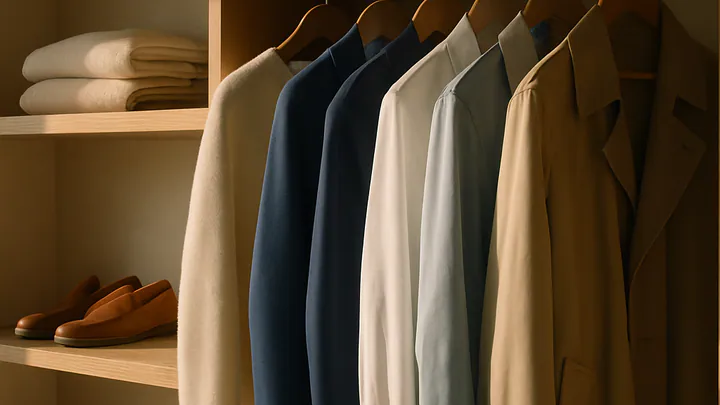
Capsule Wardrobe 2026: Build a Closet That Works
A practical 2026 guide to building a capsule wardrobe: the pieces to invest in, colors that mix, fabrics that last, and how to shop without regret.

TL;DR: A capsule wardrobe for 2026 is a small, intentional collection of well-made clothes that mix easily and suit your real life. Focus on a neutral color base, two or three accent shades, natural or durable fabrics, and around 30 to 40 pieces per season. Build outfit formulas instead of chasing trends, and shop slowly to fill genuine gaps rather than moods.
Our team has watched wardrobe trends whipsaw for years — from head-to-toe logos to quiet luxury to the current craving for pieces that simply work. In 2026, the shift is clear: readers are tired of overflowing closets that still produce “nothing to wear” mornings. A capsule wardrobe fixes that, not by shrinking your style but by sharpening it.
What a capsule wardrobe actually is
A capsule wardrobe is a curated set of clothes you genuinely wear, chosen so that most pieces combine into complete outfits. It is not a uniform, a rigid number, or a vow of minimalism. It is a system that removes decision fatigue and rewards you for buying better rather than more.
The idea has been around for decades, but the 2026 version is less about strict piece counts and more about cohesion: a closet where the coat matches the trousers matches the knit matches the shoes, without you thinking about it.
Signs you need one
- You own a lot of clothes but wear the same handful on rotation.
- You buy pieces that never fit into an outfit and quietly retire them.
- Getting dressed feels stressful, especially before work or travel.
- Your closet is full of trends that aged faster than you expected.
The 2026 foundation: colors, fabrics, silhouettes
Before you buy anything, you need a foundation. This is where most capsule attempts fail — people jump to shopping lists without deciding what their wardrobe should feel like.
Choose a neutral base
Pick two or three neutrals that flatter your skin tone and can share the same outfit. Common pairings we like:
- Warm capsule: cream, camel, chocolate brown, olive.
- Cool capsule: white, gray, navy, charcoal.
- Classic capsule: black, white, denim blue, camel.
Neutrals do the heavy lifting. If a stranger opened your closet, they should see a clear palette, not a rainbow of half-decisions.
Add one or two accent colors
Accents keep the wardrobe from feeling flat. In 2026, we're seeing renewed love for burgundy, dusty rose, muted olive, butter yellow, and soft cornflower blue. Pick shades you actually reach for — not colors you admire on other people.
Fabrics that earn their spot
Fabric is the difference between a piece you keep for five years and one that pills in a month. Look for:
- Wool and merino blends for knits and trousers.
- Cotton, linen, and Tencel for shirts and warm-weather pieces.
- Full-grain leather for shoes, belts, and bags.
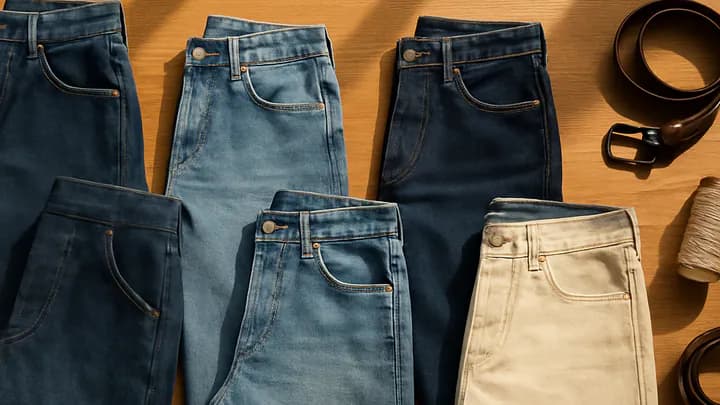
- Denim with a small amount of stretch for longevity without bagging.
Check labels. Fabrics with more than 5–10% synthetic content are fine for structure, but pure polyester in a “luxury” piece is usually a red flag.
The core pieces for 2026
Below is a flexible starting list. Adjust to your climate, gender presentation, and job. Not everyone needs every item, and that's the point — this is a framework, not a shopping cart.
Tops (5–8 pieces)
- Two crisp button-downs (one white, one in a neutral).
- Two to three fine-gauge knits in your base colors.
- Two to three quality T-shirts or long-sleeves in heavier cotton.
- One statement top — a silk blouse, a textured knit, something with personality.
Bottoms (4–6 pieces)
- One pair of well-fitting dark jeans.
- One tailored trouser in your primary neutral.
- One relaxed trouser or wide-leg option for softer days.
- One skirt or additional trouser in an accent shade or texture.
Outerwear (2–3 pieces)
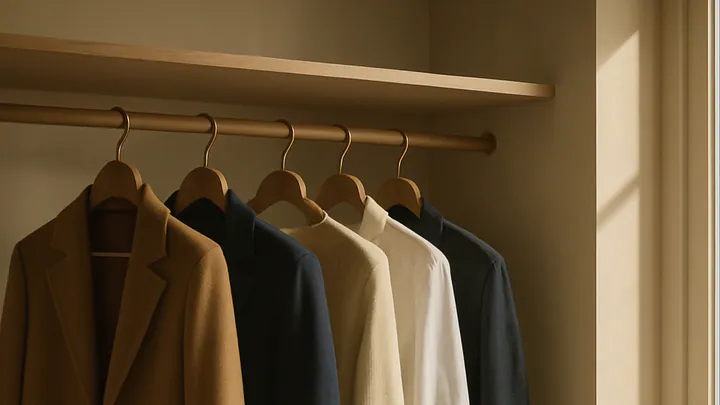
- A structured coat in a neutral (camel, black, or navy).
- A casual jacket — denim, leather, or a technical shell depending on climate.
- A blazer that works with jeans and trousers alike.
Shoes (3–5 pairs)
- Clean leather sneakers.
- A loafer, ballet flat, or low boot in a matching leather tone.
- One dressier option for evenings or client meetings.
- Weather-appropriate boots if you need them.
Accessories
One everyday bag, one evening bag, a belt that matches your primary shoes, and a small edit of jewelry you actually wear. Sunglasses count.
Outfit formulas beat individual pieces
The secret to a capsule that works is thinking in outfits, not items. Before buying anything, sketch or mentally play out three to five outfit formulas you'll rely on.
Examples we return to:
- Knit + tailored trouser + loafer + structured coat.
- White shirt + dark jeans + blazer + sneaker.
- T-shirt + wide-leg trouser + statement bag + flat.
- Silk blouse + skirt + low boot + long coat.
If a piece can slot into two or more formulas, it earns its place. If it only works with one specific other item you already own, it's a liability.
How to shop without regret
Capsule wardrobes fail when people build them in one weekend online haul. Slow shopping is the whole point.
The 48-hour rule
For anything over a modest budget threshold you set yourself, wait 48 hours before buying. Most impulse purchases quietly disappear from the shortlist.
The three-outfit test
Before checkout, name three specific outfits — using clothes you already own — that the new piece completes. If you can't, don't buy it yet.
Watch fit before brand
A $60 trouser that fits your body is worth more than a $300 designer trouser that pulls at the hip. Tailoring inexpensive pieces is often smarter than buying up.
Buy off-season when you can
Coats in spring, linen in autumn, boots in summer. The best pieces show up on sale a season late, and you'll have time to plan them into your capsule properly.
What's shifting in 2026
Broad style directions we're watching, without pretending to predict the future:
- Softer tailoring. Structured but relaxed — less rigid than 2010s office wear, more polished than pandemic loungewear.
- Elevated basics. Heavier T-shirts, better knits, and shirts with real construction are getting more attention than logo-driven pieces.
- Warmer neutrals. Camel, chocolate, and cream continue to edge out cool grays for many wardrobes.
- Repair and resale. Cobblers, tailors, and secondhand platforms are increasingly part of how people build closets, not just clear them.
None of this requires a full closet rebuild. It just nudges the next few pieces you add.
Common mistakes to avoid
- Building someone else's capsule. A minimalist influencer's list may not fit your weather, job, or body. Steal the framework, not the pieces.
- Confusing beige with a personality. Neutrals are a base, not the whole point. Let texture, cut, and one accent color carry the interest.
- Ignoring maintenance. Sweater combs, shoe trees, a good iron, and a local tailor extend a capsule's life more than any new purchase.
- Purging too aggressively. Store questionable pieces for a season before donating. You'll know honestly whether you miss them.
Key takeaways
- A 2026 capsule wardrobe is about cohesion and outfit formulas, not a fixed piece count.
- Choose two to three neutrals plus one or two accent colors that suit you.
- Prioritize fabric quality and fit over brand or trend.
- Every new purchase should complete at least three outfits from clothes you already own.
- Slow shopping, off-season buys, and small repairs will save more money than any sale.
- Steal frameworks from others, but build a capsule that fits your actual life.
Editorial note: This article is general style guidance from the Daily Cruncher editorial team. It is not personal styling, financial, or shopping advice. Your budget, climate, cultural context, and body will shape what a great wardrobe looks like for you — adapt these ideas accordingly, and consider a professional tailor or personal stylist if you want tailored help.
Frequently asked questions
How many pieces should a capsule wardrobe have?
Most people do well with 30 to 40 seasonal pieces, including shoes and outerwear. The exact number matters less than whether every item works with at least three others in your closet.
What colors work best for a capsule wardrobe in 2026?
A neutral base — black, navy, cream, camel, or gray — makes mixing easy. Add two accent colors that suit your skin tone, such as burgundy, olive, or soft blue, to keep outfits interesting without clashing.
Is a capsule wardrobe more expensive than fast fashion?
Upfront costs can be higher because you're buying better fabrics, but the cost per wear tends to be much lower. A well-made coat worn for five years usually beats three fast-fashion coats that pill or lose shape.
Can I still follow trends with a capsule wardrobe?
Yes. Keep your foundation classic and let one or two seasonal pieces — a statement bag, a bold knit, a trendier trouser cut — refresh the look without overhauling the whole closet.
How do I start if my current closet is a mess?
Pull everything out, sort by category, and try things on honestly. Keep what fits and flatters, donate the rest, and only then make a short shopping list to fill genuine gaps.
Do capsule wardrobes work for every body type and lifestyle?
They do, but the pieces will look different. A remote worker's capsule leans into elevated knits and relaxed trousers, while a client-facing role may need more tailored blazers and structured shoes.