
Capsule Wardrobe 2026: 30 Pieces, Endless Outfits
A 30-piece capsule wardrobe for 2026 that mixes effortlessly across seasons. Here is how we build ours, what to buy first, and the mistakes to skip.

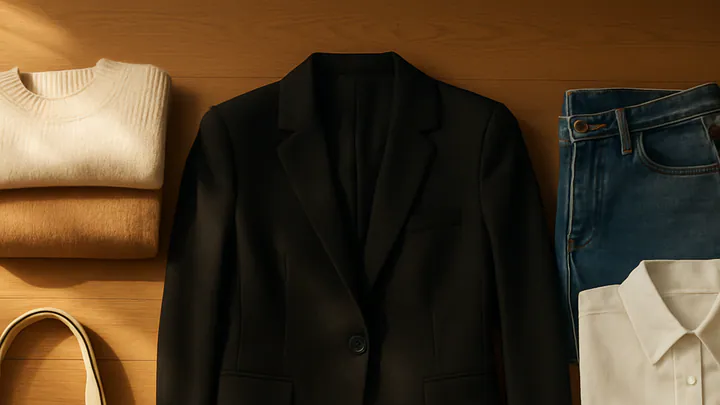
TL;DR: A capsule wardrobe for 2026 is a small, intentional collection — around 30 pieces — that mix and match into weeks of outfits. We build ours around a neutral base, add two accent colors, prioritize fit and fabric over trends, and shop the gaps slowly. Below is our category-by-category checklist, the order we buy in, and the traps to avoid.
What a capsule wardrobe actually is (and isn't)
A capsule wardrobe is a curated set of clothes designed to work together across occasions and seasons. It is not a uniform, a minimalist purity test, or a rule that you can only own thirty items forever. Think of it as the working core of your closet — the pieces you reach for constantly — with room for a small rotation of occasion wear, workout clothes, and sentimental favorites alongside it.
The appeal in 2026 is practical. Getting dressed is faster. Laundry piles up more slowly. Cost-per-wear on each piece keeps dropping because you actually wear the things you own. And because everything coordinates, packing for travel becomes almost automatic.
The 30-piece framework we use
Our default split is flexible, but this distribution tends to cover most lifestyles that mix office days, weekends, and the occasional dinner out. Adjust the ratios if you work in a uniform, live somewhere very hot or very cold, or dress up regularly.
- Tops (10): 3 T-shirts, 2 long-sleeve tees or fine-knit tops, 2 button-up shirts, 3 sweaters or cardigans
- Bottoms (6): 2 pairs of jeans, 2 pairs of tailored trousers, 1 skirt or additional trouser, 1 pair of shorts or lounge-appropriate pant
- Dresses or jumpsuits (2): one casual, one that dresses up easily
- Outerwear (4): a lightweight jacket, a tailored blazer, a warm coat, and a rain-friendly layer
- Shoes (5): everyday sneakers, dressier flats or loafers, boots, a sandal for warm months, and one dressier option
- Bags (3): a work or everyday tote, a small crossbody, and one evening or dressier bag
That is thirty pieces. Underwear, socks, sleepwear, gym clothes, swimwear, and formalwear sit outside the capsule and are counted separately.
Choose a color palette before you shop
The single decision that makes or breaks a capsule wardrobe is your color palette. When most pieces share a coherent palette, almost anything you grab in the morning works together. When they don't, you own thirty items and still feel like you have nothing to wear.
A simple palette formula
- 2 base neutrals for most bottoms, outerwear, and shoes — for example, navy and cream, or black and camel
- 2 secondary neutrals for tops and knitwear — such as white, grey, olive, or chocolate brown
- 1–2 accent colors that flatter you and lift the palette — burgundy, forest green, rust, or a soft blue tend to play well with most neutrals
You do not need to avoid pattern. A single striped shirt, a subtle check blazer, or a printed dress adds personality without breaking the system, as long as the print pulls from your existing palette.
Fit and fabric matter more than brand
A capsule wardrobe rewards clothes that hold their shape after many wears and washes. Before buying anything, we check three things: the fabric composition on the label, the weight and drape of the material in hand, and how the seams and hems are finished.
Natural fibers like cotton, linen, wool, and silk generally age better than heavily synthetic blends, though good-quality blends with a small percentage of elastane can improve fit and recovery, especially in denim and tailoring. Heavier knits, densely woven shirts, and denim with a substantial hand feel tend to look intentional for longer.
Fit is the other multiplier. A perfectly fitting inexpensive shirt will out-perform an ill-fitting designer one every day of the week. Small tailoring investments — shortening a hem, taking in a waist, tapering a trouser leg — can turn a nearly-right piece into a favorite.
The order we shop in
Trying to buy thirty pieces at once is expensive and almost always leads to regret. Instead, we shop the capsule in tiers, starting with the items we wear most often.
- Bottoms first. Great trousers and jeans anchor every outfit. Get these right before anything else.
- Shoes second. They set the register of your outfits and are the pieces most people underinvest in.
- Outerwear third. A well-cut coat or blazer instantly upgrades whatever is underneath.
- Tops fourth. Easiest to replace over time, so buy fewer than you think and add as you notice gaps.
- Bags and accessories last. They finish the system but rarely need to be first.
We also keep a running "wishlist" note on our phones. If a piece stays on the list for a month and still fills a real gap, it is probably worth buying. If it drops off after a week, it was a mood, not a need.
Making it seasonless
You do not need four separate capsules for four seasons. A single core capsule can carry the year if you plan for layers and rotate a small number of pieces in and out of storage.
- Choose knitwear in fine and medium gauges rather than only chunky, so pieces layer under blazers and coats.
- Keep one or two heavier winter items (a wool coat, thick boots) and one or two lighter summer items (linen trousers, sandals) that swap in seasonally.
- Use accessories — scarves, hats, socks — to shift the mood without adding bulk to the core wardrobe.
Common mistakes to avoid
We see the same missteps again and again when people first build a capsule.
- Copying someone else's list. A capsule that works for a remote freelancer in Lisbon will not work for a nurse in Chicago. Start from your actual week.
- Buying only neutrals. A wardrobe of beige and black can feel flat quickly. Even one accent color makes outfits feel considered instead of resigned.
- Confusing minimalism with deprivation. If you love print, keep print. The point is coherence, not sterility.
- Ignoring the shoes and bags. Outfits live and die by their finishing pieces.
- Refusing to edit. Every few months, retire what is worn out or unworn, and let the capsule evolve.
A worked example: a week of outfits from 30 pieces
To show how quickly a small wardrobe generates variety, here is a sample week using the framework above.
- Monday: tailored trousers, white tee, blazer, loafers, tote
- Tuesday: straight-leg jeans, striped long-sleeve, sneakers, crossbody
- Wednesday: knit dress, boots, warm coat, tote
- Thursday: second pair of trousers, fine-knit sweater, loafers, crossbody
- Friday: jeans, button-up shirt, cardigan, sneakers, tote
- Saturday: shorts or lighter trouser, T-shirt, lightweight jacket, sandals
- Sunday: second dress, flats, small crossbody
Not a single outfit repeated, and we barely used half the closet.
Key takeaways
- Aim for around 30 core pieces built around a small, coherent color palette.
- Prioritize fit and fabric over brand or trend.
- Shop in tiers — bottoms and shoes first, tops and accessories later.
- Design for layering so one capsule works across seasons.
- Edit gently every few months and let the wardrobe evolve with your life.
Editorial note: this article is general style guidance from our team, not personal styling advice. Bodies, budgets, climates, and jobs vary widely — treat the framework as a starting point and adapt it to what actually fits your life.
Frequently asked questions
How many pieces should a capsule wardrobe have?
Most capsule wardrobes hold between 25 and 40 pieces, not counting underwear, workout clothes, or occasion wear. Thirty is a comfortable middle ground that gives you variety without overwhelm.
Do capsule wardrobes need to be all neutral colors?
No. A neutral base makes mixing easier, but you can absolutely add color and pattern. The rule is that most pieces should pair with most others, whatever hues you choose.
How often should I refresh a capsule wardrobe?
We recommend a light audit every season and a deeper review twice a year. Replace worn-out staples first, then consider one or two trend pieces if they genuinely fit your life.
Can I build a capsule wardrobe on a small budget?
Yes. Shop your own closet first, then fill gaps gradually with secondhand pieces and well-reviewed basics. A capsule built over six months usually costs less than one impulsive shopping spree.
What is the biggest mistake people make with capsule wardrobes?
Buying everything at once before understanding how they actually dress day to day. The best capsules evolve slowly and reflect real routines, not aspirational ones.
Does a capsule wardrobe work for every season?
It can, if you plan layers. Many people run a single seasonless capsule with a small rotation of coats, knits, and lighter pieces stored off-season to keep the closet manageable.