One-Pot Pasta in 2026: Weeknight Dinner Made Simple
One-pot pasta turns weeknight dinner into a 25-minute win. Here's how to build flavor, choose the right shapes, and avoid the classic gluey mistake.

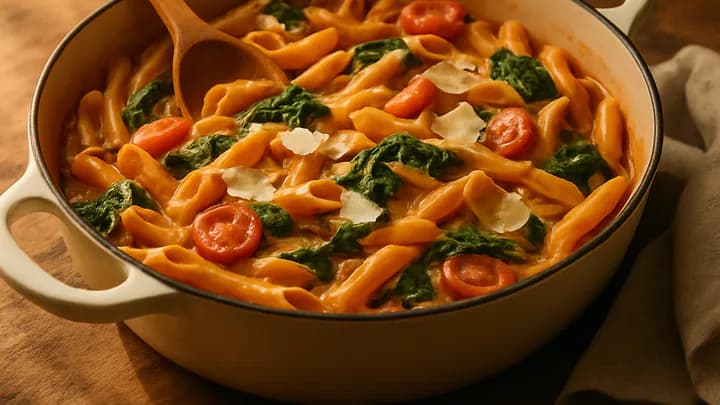
TL;DR: One-pot pasta cooks noodles, sauce, and aromatics together in a single pan, using the pasta's own starch to build a silky sauce. With the right liquid ratio (about 3 cups per 8 ounces of pasta), a wide pan, and regular stirring, we can put a genuinely good dinner on the table in around 25 minutes — no colander, no second pot, no gluey mess.
One-pot pasta earned a reputation years ago as a viral shortcut, then quietly matured into one of the most useful weeknight techniques in the modern home kitchen. In 2026, it's less about a single trendy recipe and more about a flexible method we can adapt to whatever's in the fridge. Below, our team walks through the ratios, shapes, flavor moves, and common fixes that make the difference between a mediocre pot and a great one.
Why one-pot pasta actually works
Traditional pasta cooking treats the noodles and the sauce as separate projects. One-pot pasta collapses them into a single system: as the noodles cook in a measured amount of seasoned liquid, they release starch that thickens whatever's left in the pan. When we time it well, the pasta finishes cooking at almost the exact moment the sauce reaches the right consistency.
That's the entire trick. Everything else — the shape of the pan, the type of noodle, the order we add ingredients — is about making that finish line predictable.
The three things that go wrong
- Too much liquid: the sauce ends up thin and soupy.
- Too little liquid: the noodles turn gummy and stick together in clumps.
- Not enough stirring: the bottom scorches while the top stays undercooked.
Fix those three, and one-pot pasta becomes remarkably forgiving.
The ratio that solves most problems
Our reliable starting point is 3 cups of liquid per 8 ounces of dried pasta. That liquid can be water, broth, milk, canned tomatoes plus water, or any combination — as long as the total volume is right.
From there, small adjustments help:
- Long shapes (spaghetti, linguine): use the full 3 cups; they need room to hydrate.
- Medium shapes (penne, fusilli, rigatoni): 3 cups is ideal.
- Small shapes (orzo, ditalini, small shells): pull back to about 2 ½ cups; they absorb faster.
- Whole wheat or lentil pasta: add an extra ¼ cup; they drink more liquid than semolina.
If we're adding watery vegetables like zucchini, spinach, or fresh tomatoes, we shave a couple of tablespoons off the liquid to account for what they'll release as they cook.
Choosing the right pan
A wide, shallow pan is the unsung hero of this method. We want the pasta in a mostly single layer so it cooks evenly and the liquid reduces at a predictable rate. A 12-inch skillet with tall sides, a braiser, or a shallow Dutch oven all work beautifully. A deep, narrow saucepan is where one-pot pasta usually goes wrong — the noodles pile up, cook unevenly, and the sauce reduces too slowly.
Stovetop or oven?
Most one-pot pasta recipes are stovetop, and that's the fastest route. Baked versions exist and can be excellent for dishes like ziti or mac and cheese, but they need more liquid (pasta cooks less efficiently in the oven) and closer attention to covering the pan to trap steam.
Building flavor without a second pan
Because we're skipping the traditional "cook the sauce separately" step, we have to be intentional about layering flavor into that single pan. Our usual sequence:
- Bloom aromatics in fat. Warm olive oil or butter, then cook onion, garlic, shallots, or leeks until soft. This step takes 3–5 minutes and is not negotiable if we want depth.
- Toast spices and tomato paste. A tablespoon of tomato paste, red pepper flakes, or dried herbs cooked for 60 seconds in the fat adds a savory backbone.
- Deglaze if we can. A splash of wine, vermouth, or even a spoonful of vinegar lifts stuck bits off the pan and brightens the final dish.
- Add pasta, liquid, and salt together. Stir, bring to a simmer, and set a timer for the low end of the pasta's package time.
- Stir every 2–3 minutes. This keeps noodles from clumping and prevents scorching.
- Finish off the heat. Cheese, butter, fresh herbs, lemon zest, or a splash of pasta water go in after the burner is off, so nothing splits or turns grainy.
Five one-pot pasta directions worth learning
Once the method is second nature, these five templates cover almost any craving.
1. Creamy tomato
Sauté onion and garlic, add tomato paste, then canned crushed tomatoes plus water to hit the 3-cup mark. Cook pasta through, then stir in cream cheese or a splash of heavy cream off the heat. Finish with basil.
2. Lemon garlic butter
Cook pasta in salted water with garlic and a bay leaf. Off the heat, stir in cold butter, lemon zest, lemon juice, and Parmesan. Add spinach or arugula so it wilts in the residual heat.
3. Broth-based with beans and greens
Simmer small pasta in chicken or vegetable broth with cannellini beans, kale, and rosemary. Finish with olive oil and a heavy hand of black pepper.
4. Miso mushroom
Brown mushrooms hard in butter, then add pasta, water, soy sauce, and a spoon of white miso. Off the heat, stir in scallions and a knob more butter.
5. Cacio e pepe style
Cook pasta in less liquid than usual (about 2 ¾ cups) so it stays extra starchy. Off the heat, stir in finely grated Pecorino Romano and cracked black pepper until glossy.
Common mistakes and how we fix them
- Sauce too thin: return the pan to medium heat and simmer 2–3 more minutes, stirring, until it tightens.
- Sauce too thick or gluey: add hot water, ¼ cup at a time, off the heat, stirring gently until it loosens.
- Cheese turned grainy: the pan was too hot when it went in. Add a splash of hot water and stir vigorously; it usually smooths back out.
- Bottom of the pan scorched: transfer the good pasta to a serving bowl without scraping the bottom, and soak the pan immediately.
- Undercooked in the middle: add ¼ cup of hot liquid, cover, and cook 2 more minutes.
Making it a real meal
One-pot pasta becomes dinner (rather than a side) when we build in protein and vegetables without overwhelming the pan. A few approaches that work reliably:
- Cook protein first, then set it aside. Sear chicken thighs, sausage, or shrimp, remove them, then use the same pan for the pasta. Return the protein in the last 2 minutes.
- Add hardy vegetables early. Broccoli, cauliflower, and carrots go in with the pasta.
- Add tender vegetables late. Spinach, peas, and fresh herbs go in during the last minute or after the heat is off.
- Rely on pantry protein. Canned chickpeas, white beans, or tuna stirred in at the end require no extra cooking.
Storage and leftovers
One-pot pasta keeps absorbing liquid as it sits, which is why leftovers can feel dry the next day. To reheat, we add a generous splash of water or broth, cover, and warm on the stovetop over low heat, stirring occasionally. Microwaving works too — just add liquid first and cover loosely so it steams rather than dries out.
Cream-based one-pot pastas hold up for about 2 days in the fridge; tomato and broth-based versions stretch to 3 or 4.
Key takeaways
- Use roughly 3 cups of liquid per 8 ounces of dried pasta, adjusting for shape and mix-ins.
- Choose a wide, shallow pan so pasta cooks in a nearly single layer.
- Build flavor by blooming aromatics and toasting tomato paste or spices before adding pasta and liquid.
- Stir every 2–3 minutes to prevent clumping and scorching.
- Finish cheese, butter, and delicate herbs off the heat to keep the sauce silky.
- Fix a too-thick sauce with hot water; fix a too-thin sauce with a couple more minutes of simmering.
One-pot pasta isn't a shortcut so much as a smarter way to organize the same ingredients. Once the ratio and rhythm click, it becomes a genuine weeknight default — the kind of dinner we can make on autopilot after a long day and still feel proud to put on the table.
Frequently asked questions
What is one-pot pasta and how does it work?
One-pot pasta cooks the noodles, sauce, and aromatics together in a single pan using a measured amount of liquid. As the pasta cooks, it releases starch that thickens the remaining liquid into a silky sauce, so nothing needs to be drained.
What is the best liquid-to-pasta ratio for one-pot pasta?
A reliable starting point is about 3 cups of liquid per 8 ounces of dried pasta. Adjust slightly up for long shapes like linguine and slightly down for small shapes like orzo, which absorb liquid faster.
Why does my one-pot pasta turn out gluey or sticky?
Gluey pasta usually means too little liquid, too little stirring, or a pan that's too small. Use a wide skillet or Dutch oven, stir every couple of minutes to keep noodles moving, and finish with a splash of hot water if the sauce tightens too much.
Can I make one-pot pasta creamy without heavy cream?
Yes. Starch from the pasta already thickens the sauce, so a small amount of butter, grated Parmesan, cream cheese, or Greek yogurt stirred in off the heat creates a creamy finish without needing heavy cream.
What pasta shapes work best for one-pot cooking?
Medium shapes like penne, rigatoni, fusilli, and shells work best because they cook evenly and hold sauce well. Long shapes like spaghetti and linguine also work if the pan is wide enough for them to lay flat.
Is one-pot pasta healthier than regular pasta?
It's not inherently healthier, but it makes it easy to add vegetables, lean protein, and less oil than traditional recipes. Because the sauce clings well, many cooks find they need less cheese and butter to feel satisfied.
Can I make one-pot pasta ahead of time?
One-pot pasta is best eaten fresh because it keeps absorbing liquid as it sits. If you need to reheat leftovers, add a splash of water or broth and warm gently on the stovetop to loosen the sauce.