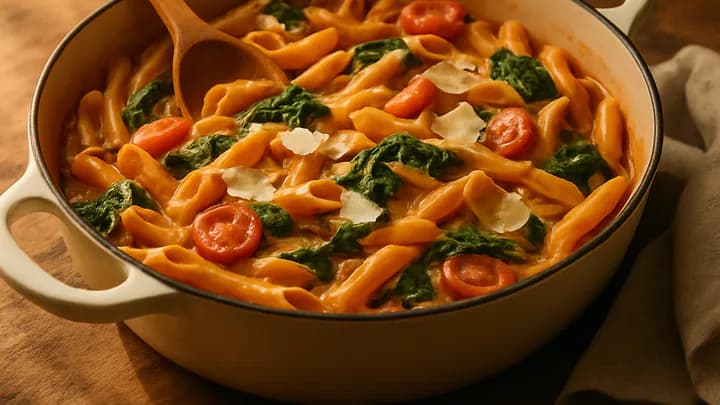
One-Pan Pasta in 2026: Smarter Weeknight Dinners
One-pan pasta is the weeknight cooking method worth mastering in 2026. Here is how the technique works, why it tastes great, and how to adapt it to almost any pantry.

TL;DR: One-pan pasta cooks dry noodles directly in a measured amount of liquid with the sauce ingredients, so the released starch thickens everything into a silky finish. It saves time, reduces cleanup, and tastes noticeably more cohesive than pasta cooked separately and tossed. In 2026, it is the single most useful weeknight technique we recommend home cooks add to their rotation.
We have been refining one-pan pasta in our test kitchen notes for a while now, and it has quietly become the dinner method we reach for on the busiest nights. It is not a gimmick. It is a real shift in how the starch, fat, and liquid interact, and once you understand the ratios, almost any pantry can become a weeknight pasta.
Why one-pan pasta works so well
When you boil pasta in a big pot of water and drain it, most of the starch goes down the sink. With one-pan pasta, that starch stays in the pan. As the liquid reduces, it pulls together oil, cheese, tomato, or cream into an emulsified sauce that clings to every noodle.
The result is the kind of glossy, restaurant-style finish that home cooks usually try to fake with extra butter or a splash of reserved pasta water. Here, it happens automatically.
There are also practical wins:
- One pan to wash instead of a pot, a colander, and a skillet.
- Faster overall cook time because you skip waiting for a large pot to boil.
- Easier to add vegetables and proteins in one step.
- Less stovetop real estate, which matters in small kitchens.
The ratio that makes it foolproof
The most common failure point is liquid. Too little and the pasta scorches before it softens. Too much and you end up with soup. Our reliable starting point:
- 8 oz dry short pasta: about 3 cups of liquid.
- 8 oz dry long pasta (spaghetti, linguine): about 3.5 to 4 cups of liquid, in a wide skillet so the noodles submerge.
- Heavy add-ins (canned tomatoes, beans, frozen spinach): count their liquid toward the total.
Liquid does not have to mean water. Stock, milk, canned tomatoes, coconut milk, and even a splash of wine all count, as long as the total volume is right.
Pan size matters more than people think
A 12-inch straight-sided skillet or a wide shallow Dutch oven is ideal. The wider surface area lets the liquid reduce evenly, which is what concentrates flavor. A tall, narrow pot traps steam and leaves the sauce thin and watery.
A reliable base method
Once you know the rhythm, almost any pasta dinner follows the same shape. Here is the template we teach first:
- Build a quick flavor base. Warm olive oil in a wide skillet, then soften aromatics like garlic, shallots, or onion for two to three minutes.
- Add dry seasonings. Tomato paste, chili flakes, dried herbs, or a spoonful of miso bloom in the oil and deepen the final sauce.
- Pour in the liquid and pasta together. Stir so nothing sticks to the bottom. Season with salt now — the pasta absorbs it as it cooks.
- Simmer uncovered, stirring often. Aim for an active but not violent bubble. Stir every minute or two for the first five minutes, then occasionally.
- Finish with fat and acid. Off heat, stir in butter, cheese, cream, lemon, or a drizzle of good olive oil. This is where the sauce turns silky.
- Rest for two minutes. The sauce thickens noticeably as it cools slightly. Resist serving immediately.
Five variations from one pantry
The same method scales across cuisines and seasons. These are the variations our team makes most often.
Tomato, garlic, and basil
Soften garlic in olive oil, add a can of crushed tomatoes plus enough water or stock to hit your ratio, then the pasta. Finish with torn basil, a knob of butter, and grated parmesan. This is the gateway recipe, and it is genuinely better than most jarred-sauce dinners.
Lemon, white bean, and spinach
Use stock as the liquid. Add a drained can of white beans with the pasta. Stir in a few handfuls of baby spinach in the last two minutes, then finish with lemon zest, lemon juice, and a generous shower of pecorino.
Miso butter and mushroom
Brown sliced mushrooms hard before adding liquid. Stir a spoonful of white miso into warm stock, add the pasta, and finish with cold butter and chopped chives. Earthy, savory, and ready in under twenty minutes.
Coconut, lime, and chili
Use half coconut milk and half stock as the liquid. Add ginger, garlic, and a spoonful of chili crisp at the aromatics step. Finish with lime juice, cilantro, and a handful of roasted peanuts. A surprising favorite for cold nights.
Cacio e pepe style
Use water as the liquid (the starch concentration matters here). Toast cracked black pepper in olive oil first. Off heat, vigorously stir in a generous amount of finely grated pecorino and a knob of butter until the sauce turns creamy. Patience and off-heat stirring are the trick.
Common mistakes and quick fixes
Most one-pan pasta problems trace back to a small handful of issues. If your dish has gone sideways, check these first.
- Sauce too thin: simmer two to three minutes longer uncovered, then rest before serving.
- Sauce too thick or pasty: loosen with a splash of hot water or stock and stir well.
- Noodles stuck together: you stirred too little in the first five minutes. Next time, treat those minutes like risotto.
- Bland flavor: under-salted liquid. The pasta is the seasoning sponge, so the cooking liquid should taste pleasantly seasoned before the noodles go in.
- Burned bottom: heat too high or pan too thin. Use a heavy skillet and keep the simmer steady, not aggressive.
Making it a complete meal
One-pan pasta is naturally flexible for adding protein and vegetables without extra dishes. A few patterns we rely on:
- Quick proteins: brown ground meat, Italian sausage, or cubed firm tofu before the aromatics, then build the dish on top.
- Pantry proteins: drained chickpeas, white beans, lentils, or a tin of good-quality tuna stirred in at the end.
- Hardy vegetables: diced zucchini, frozen peas, broccoli florets, or chopped kale go in with the pasta.
- Delicate greens: spinach, arugula, or fresh herbs stirred in during the last two minutes off heat.
A finishing touch matters too. A drizzle of good olive oil, a snowfall of cheese, a crunch of toasted breadcrumbs, or a few drops of vinegar can take a competent weeknight pasta and make it feel deliberate.
Storing and reheating
One-pan pasta keeps in the fridge for about three days. Because the noodles continue to absorb sauce, leftovers thicken overnight. Reheat gently in a covered skillet with a splash of water, stock, or milk, stirring until loose and glossy again. Microwaves work in a pinch, but stovetop reheating preserves the texture much better.
Key takeaways
- One-pan pasta works because the starch released by the noodles stays in the sauce, creating a naturally silky finish.
- Start with roughly 3 cups of liquid per 8 oz of short pasta in a wide, heavy skillet.
- Build flavor in layers: aromatics, dry seasonings, liquid plus pasta, then fat and acid at the end.
- Stir frequently in the first five minutes to prevent sticking and uneven cooking.
- Adapt the template across cuisines by swapping the liquid, aromatics, and finishing ingredients.
- Rest the pasta for two minutes off heat before serving so the sauce sets to the right consistency.
Frequently asked questions
What is one-pan pasta?
One-pan pasta is a method where dry pasta cooks directly in a measured amount of liquid alongside the sauce ingredients, so the starch released from the noodles thickens everything into a glossy, cohesive sauce in a single pan.
How much liquid do I need for one-pan pasta?
A reliable starting ratio is about 3 to 4 cups of liquid for every 8 ounces of dry pasta. Short shapes generally need a touch less, and long noodles like spaghetti need a bit more to stay submerged.
Does one-pan pasta get gummy or sticky?
Not if you stir frequently in the first few minutes, use enough liquid, and keep the pan at a steady simmer rather than a hard boil. Stirring releases starch evenly and prevents noodles from clumping at the bottom.
Which pasta shapes work best?
Short, sturdy shapes like penne, rigatoni, fusilli, and shells are the most forgiving. Spaghetti and linguine also work well in a wide skillet where they can lie flat and submerge fully.
Can I use whole wheat or gluten-free pasta?
Yes, but adjust expectations. Whole wheat pasta absorbs more liquid, so add a splash extra. Gluten-free pasta releases more starch and can turn mushy quickly, so check it a few minutes earlier than the package time.
Is one-pan pasta healthier than traditional methods?
It is not inherently healthier, but it makes it easier to add vegetables, beans, and lean proteins in one step, which often leads to more balanced meals than a plain bowl of buttered noodles.