Telehealth in 2026: When Virtual Care Works and When It Doesn't
Telehealth has moved from novelty to infrastructure. Here is an honest look at what a virtual visit handles well, where it quietly fails, what it costs, and the licensing and prescribing rules that catch patients off guard.
Rewritten with AI and republished automatically. Our editors set the standards and fix reported errors — how we work.

TL;DR: Telehealth is now a permanent channel in healthcare, not a substitute for all of it. It excels at talk-based, data-based, and follow-up care. It struggles when a clinician needs hands, instruments, or a lab. Knowing which bucket your problem falls into is the whole skill.
Telehealth is the delivery of clinical care through live video, phone, secure messaging, or remote monitoring devices instead of a face-to-face visit. That definition sounds narrow, but it now covers a surprising share of medicine: therapy sessions, prescription management, post-operative check-ins, dermatology triage, diabetes coaching, and the three-minute conversation that tells you whether the rash is worth worrying about.
The original promise of telehealth was convenience. The more interesting story in 2026 is fit. Below is what is genuinely useful to know before you book a virtual visit, including the parts most articles skip.
What is telehealth, and how is it different from just calling a doctor?
Telehealth is a regulated clinical encounter that happens remotely, documented in a medical record, billable, and subject to the same licensing and privacy law as an office visit. A phone call to a nurse line is advice; a telehealth visit is care. That distinction matters because it determines whether a prescription can be written, whether a diagnosis is recorded, and whether anyone follows up.
It breaks into four practical modes:
- Synchronous video or phone — the classic virtual appointment, in real time.
- Asynchronous ("store-and-forward") — you submit photos, a questionnaire, or a symptom description, and a clinician responds within hours. Common for dermatology, sexual health, and refills.
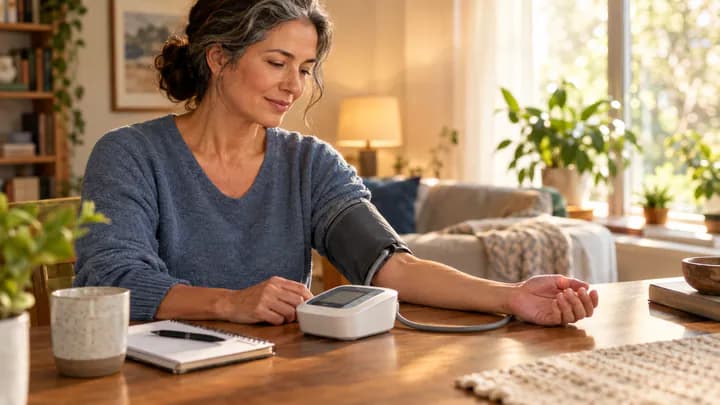
- Remote patient monitoring — connected blood pressure cuffs, glucose sensors, pulse oximeters, and weight scales feeding data to a care team between visits.
- Provider-to-provider consults — your local clinician loops in a distant specialist. You may never see this happen, but it is where telehealth quietly does its heaviest lifting in rural hospitals.
Which problems are actually a good fit for a virtual visit?
The reliable rule: telehealth works when the diagnosis lives in the history, not in the exam. If you could accurately describe the problem over the phone to a friend who is a doctor and they would know what to do, a video visit will probably serve you well.
Strong fits include mental health therapy and psychiatric medication management, contraception and sexual health, uncomplicated urinary symptoms in patients with a clear history, skin conditions with good photographs, medication titration for blood pressure or thyroid conditions, post-operative wound checks, allergy and reflux management, and lifestyle coaching around sleep, nutrition, and activity. Behavior-change support in particular translates well to video, which is why programs built around habits like a practical sleep hygiene reset or structured Zone 2 cardio have moved online almost entirely.
Weak fits: undifferentiated abdominal pain, ear pain, new murmurs, joint injuries, dizziness, anything requiring auscultation, palpation, or an in-office swab, and any first evaluation of a complex, multi-system complaint.
When should you skip telehealth and go in person?
Go in person, or to emergency services, for chest pain or pressure, sudden weakness or facial droop or speech difficulty, severe shortness of breath, uncontrolled bleeding, severe abdominal pain, head injury with confusion, or any symptom that frightens you and is getting worse by the hour. A video window is the wrong tool for time-critical physiology.
There is a second, less obvious category: problems where a virtual visit is technically possible but wasteful. If you already know the answer involves imaging, a procedure, or a physical exam — a suspected fracture, a lump that needs feeling, a child with a fever and an unclear source — booking a video visit first usually just adds a step and a second bill.
How much does a telehealth visit cost in 2026?
Cash-pay virtual urgent care is generally the cheapest clinical door in American healthcare, usually advertised in the same range as a retail clinic visit and well below an in-person urgent care or emergency department visit. With insurance, though, the picture flattens: many plans apply the same copay to a virtual visit as an office visit, so the savings show up in travel and time off work rather than on the bill.
| Channel | Best for | Typical wait | Main limitation |
|---|---|---|---|
| Asynchronous messaging | Refills, photo-based skin issues, simple questions | Hours | No back-and-forth; poor for ambiguous symptoms |
| On-demand video urgent care | Acute minor illness, travel situations, after hours | Minutes to an hour | Clinician does not know your history |
| Scheduled video with your own clinician | Chronic conditions, medication changes, follow-up | Days to weeks | Limited availability; still no exam |
| Remote patient monitoring | Blood pressure, diabetes, heart failure, post-discharge | Continuous | Requires devices and consistent use |
| In-person visit | Exams, procedures, imaging, anything unclear | Days to weeks | Travel, time off, exposure risk |
A common costly mistake: using on-demand virtual urgent care for a chronic problem. A stranger with no access to your records spends eleven minutes reconstructing three years of history, then advises you to see your regular clinician. You paid for a referral you already had.
What licensing rule catches patients off guard?
In the United States, a telehealth encounter is generally treated as taking place where the patient is physically sitting, which means the clinician usually needs a license in that state. People are turned away mid-visit for this constantly — the college student logging in from a dorm in another state, the retiree who winters somewhere warm, the business traveler in an airport hotel.
Two practical consequences. First, tell the platform where you actually are, not where you live; misreporting it can void the visit. Second, if you split time between states, choose a provider group licensed in both, and ask before you need it. Interstate licensure compacts have eased this for some professions and some states, but the coverage is patchy and you should never assume it.
Can a telehealth doctor prescribe what you need?
Most routine prescriptions, yes: antibiotics, antihypertensives, inhalers, contraceptives, antidepressants, topical treatments. Controlled substances are the exception that matters. Prescribing stimulants, certain sleep medications, opioids, and some anxiety medications by video sits under a separate and periodically shifting set of federal and state rules, and many platforms simply decline rather than navigate them.
If your visit depends on a controlled substance, check the platform's written policy before you pay. Also be realistic about supplements and over-the-counter recommendations — a virtual clinician can discuss whether something like magnesium glycinate interacts with your medications, but that conversation is still worth having with a pharmacist who can see your full list.
Does virtual care match in-person quality?
For the conditions it suits, evidence generally supports comparable outcomes, and for psychotherapy specifically the results have been consistently reassuring. Remote monitoring has an additional advantage that clinics cannot replicate: it captures data in the environment where you actually live, which tends to be more representative than a single reading taken after you rushed to a waiting room.
Where quality genuinely slips is continuity. Care fragments when each episode goes to a different platform and none of them talk to your primary record. If you use telehealth regularly, ask for a visit summary and forward it to your primary care clinician. That single habit preserves most of what fragmentation destroys.
How do you make a twelve-minute visit worth having?
Preparation is the difference between a useful consultation and an expensive chat. Before the appointment window opens:
- Test the technology early. Launch the platform the night before, not two minutes ahead. Poor audio wrecks more visits than poor video, and a weak home network is a common culprit.
- Write down three questions in priority order, and ask the most important one first. Time runs out from the bottom.
- Have the facts ready: current medications with doses, allergies, recent vitals, pharmacy name and address, and a one-line timeline of the symptom.
- Photograph skin issues in daylight before the call, with something for scale. Live video compression flattens color and texture badly.
- Sit facing a window, not with your back to one, and use a private room with headphones.
- Close the loop: before you hang up, confirm the plan, the follow-up interval, and what should prompt you to seek in-person care.
What is changing next?
Three developments are worth watching without overstating them. AI-assisted intake and documentation is spreading fastest, mostly as a note-taking and triage aid rather than a decision-maker. Remote monitoring is expanding from cardiology and diabetes into post-surgical recovery and maternal health. And asynchronous specialty consults — dermatology, nutrition, endocrinology — are absorbing visits that never needed to be live in the first place.
What is not changing: the physical exam, the laboratory, and the imaging suite. Telehealth grows by taking on the work that never required a room, which is a genuinely large share of medicine, and it stops precisely where that work ends. Coaching-style care around digestive health and other long-horizon lifestyle domains will keep migrating online; appendicitis will not.
This article is general information and not medical advice. Discuss your specific symptoms, medications, and history with a qualified healthcare professional, and use emergency services for anything urgent.
Key takeaways
- Telehealth works when the diagnosis lives in the history; it fails when it lives in the exam.
- With insurance, virtual visits often cost the same as office visits — the real savings are time and travel, not money.
- Your physical location at the moment of the visit determines which clinicians may legally treat you.
- Controlled substance prescribing is the most common reason a virtual visit cannot finish the job.
- Forward every telehealth visit summary to your primary clinician to prevent fragmented records.
- Prepare three prioritized questions and test your audio in advance; a short visit rewards preparation more than a long one does.
Frequently asked questions
Is telehealth as effective as an in-person visit?
For many common conditions it is comparable, particularly for mental health therapy, medication management, dermatology follow-ups, and chronic disease check-ins where the clinician relies on conversation and data rather than touch. It is weaker anywhere a physical exam, imaging, or in-office testing changes the decision, such as abdominal pain, ear pain, or a possible fracture.
Can an online doctor prescribe medication?
Yes, for most routine medications, including antibiotics, inhalers, birth control, and many chronic disease drugs. Controlled substances are a separate category with tighter federal and state rules, and some platforms will not prescribe them at all by video, so check the policy before booking if that is what you need.
Do I have to be in the same state as the telehealth doctor?
Usually yes. In the United States, the visit is generally considered to take place where the patient is physically located, so the clinician normally needs a license in that state. Traveling patients are frequently turned away mid-visit for this reason.
Is a telehealth visit cheaper than going to a clinic?
Not automatically. Cash-pay virtual urgent care is typically cheaper than an in-person urgent care visit, but if you use insurance your copay may be identical to an office visit, and a virtual visit that ends in a referral means you pay twice.
What do I need to set up before a video appointment?
A stable internet connection, a charged device with a working camera and microphone, decent front-facing light, a private space, and your medication list, pharmacy address, recent vitals, and two or three written questions. Test the platform's audio and video before the appointment window opens rather than during it.
Is telehealth private and secure?
Reputable platforms operate under health privacy law and use encrypted connections, which covers the clinical record itself. The weaker link is usually your own environment, so avoid taking sensitive appointments on shared devices, public Wi-Fi, or in rooms where you can be overheard.
Who should not rely on telehealth as a primary care channel?
People with complex, multi-system conditions, anyone who needs regular physical examination or in-office procedures, patients with significant hearing or vision impairment without support, and anyone experiencing an emergency. Chest pain, stroke symptoms, severe bleeding, or difficulty breathing require emergency services, not a video call.