Sleep Hygiene in 2026: A Practical Reset Guide
Struggling to fall asleep or stay asleep? Our 2026 sleep hygiene guide walks you through calm, evidence-based habits that make deeper rest feel doable again.

TL;DR: Good sleep in 2026 isn't about buying a smarter mattress or tracking every metric — it's about a handful of calm, consistent habits. Anchor your wake-up time, get bright light in the morning, cut caffeine earlier than you think, dim the evenings, and give your brain a real wind-down window. Most people who sleep poorly aren't broken; they're running on routines that quietly work against their biology. This guide walks you through what actually helps, in plain language, without gadgets or gimmicks.
We've spent the past year fielding the same question from readers: why is falling asleep so much harder than it used to be? The honest answer is that modern life is engineered against sleep. Between late-night notifications, hybrid work schedules, and always-on entertainment, our bodies rarely get the quiet cues they need. The good news is that sleep responds surprisingly quickly to small, boring changes. Below is our practical reset for 2026 — the habits we'd rebuild first if we were starting from scratch.
What sleep hygiene actually means
Sleep hygiene is the set of daily behaviors and environmental choices that make it easier for your body to fall asleep, stay asleep, and wake up feeling recovered. It's less about willpower and more about signaling: your brain uses light, temperature, movement, food, and social cues to decide when to release melatonin, when to dip your core body temperature, and when to rouse you in the morning.
When those signals get scrambled — a late coffee, a bright screen at midnight, a weekend with a wildly different schedule — your internal clock drifts. Sleep hygiene is simply the practice of making those signals clear and consistent again.
Why 2026 is a good year to reset
Two shifts make this a particularly useful moment. First, hybrid work has locked in for many people, which means we finally have some control over morning schedules again. Second, wearable data has made most of us more aware of our own patterns — but also more anxious about them. A reset lets you rebuild from principles instead of chasing a nightly score.
The morning matters more than the night
Most sleep advice focuses on bedtime. We'd argue the morning does more work. A steady wake-up time and early exposure to bright light are two of the strongest levers you have over your circadian rhythm.
- Pick one wake-up time and hold it — even on weekends. A one-hour drift is fine. A three-hour weekend lie-in is essentially jet lag.
- Get outside within an hour of waking. Even ten minutes of daylight, ideally without sunglasses, helps anchor your body clock. Cloudy days still count; outdoor light is dramatically brighter than indoor light.
- Delay caffeine by 60–90 minutes. This is optional, but many people report steadier energy and less mid-afternoon crash when they wait a bit before the first cup.
If you take away one habit from this article, make it the consistent wake-up time. Almost every other sleep problem gets easier when your body knows what to expect.
The caffeine and alcohol reality check
Caffeine's half-life is long — for many people, a mid-afternoon coffee is still active at bedtime, even if they feel sleepy. If you're struggling with sleep, try a two-week experiment: cut off all caffeine by noon. You may be surprised how much deeper your sleep gets.
Alcohol is trickier because it feels like it helps. A glass of wine can indeed shorten the time to fall asleep, but it fragments the second half of the night and blunts the restorative deep-sleep stages. If you drink, keep it modest and try to finish at least three hours before bed.
Design your evenings for wind-down
Your brain needs a runway. Expecting to close a laptop at 11:00 p.m. and be asleep by 11:10 is like expecting a plane to land without descending. Build a wind-down window of 45 to 90 minutes.
What actually helps in the evening
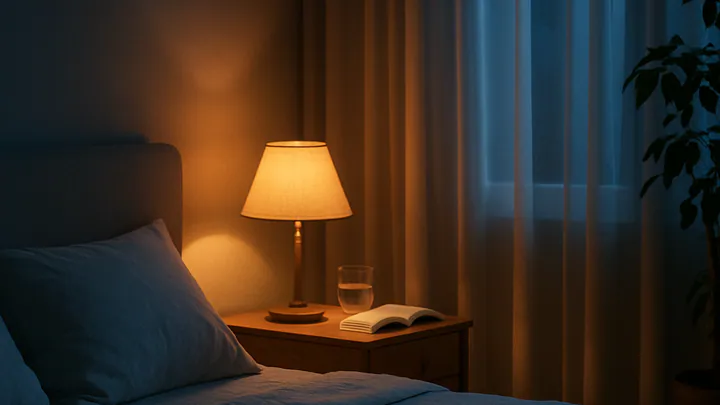
- Dim the lights. Turn off overhead lights an hour or two before bed and switch to lamps. Warm, low light tells your brain the day is ending.
- Cool the bedroom. Most people sleep better in a room that feels slightly cool. If you tend to overheat, breathable bedding and a fan can help more than tinkering with the thermostat.
- Finish eating earlier. Large meals close to bedtime often disrupt sleep. If you're hungry, a small, light snack is fine.
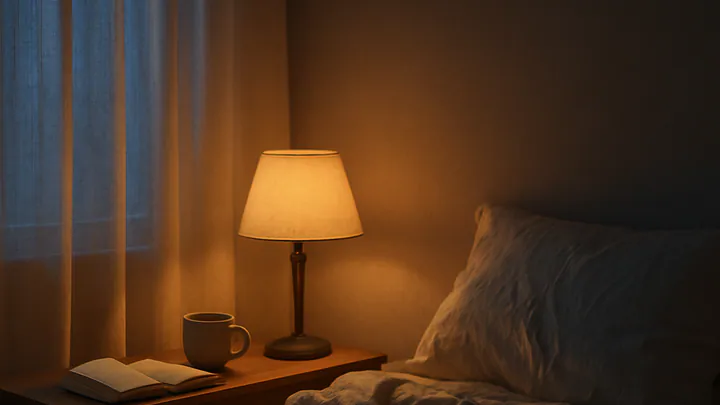
- Have a repeatable ritual. Shower, tea, stretch, read — the specifics matter less than the repetition. Rituals become cues.
What quietly sabotages sleep
- Doom-scrolling news or social feeds in bed.
- Emotionally intense TV right up until lights out.
- Work email after dinner (the anxiety lingers longer than the message).
- Long, late naps — a short 20-minute nap earlier in the day is fine for most people.
Screens, phones, and the bedroom
We've become more convinced that the problem with phones in bed isn't primarily the light — it's the content. A quiet paperback under a lamp is not the same experience as a feed engineered to keep your attention. If banishing your phone from the bedroom feels extreme, try charging it across the room and using a cheap alarm clock. Many readers tell us this single change transformed their sleep within a week.
Stress, racing thoughts, and the 3 a.m. wake-up
If you fall asleep fine but wake at 2 or 3 a.m. with your mind racing, you're not alone. A few things that tend to help:
- Write it down before bed. A five-minute brain dump — worries, tomorrow's tasks, unresolved thoughts — often reduces middle-of-the-night wake-ups.
- Don't fight the wake-up in bed. If you're still awake after roughly 20 minutes, get up, keep the lights dim, and do something calm and unstimulating until you feel drowsy.
- Skip the clock check. Knowing the exact time usually spikes anxiety and makes falling back asleep harder.
- Try slow breathing. A simple pattern — inhale four counts, exhale six — nudges your nervous system toward rest.
A realistic two-week reset plan
- Days 1–3: Set one wake-up time and honor it. Get outside within an hour of waking. Cut caffeine by noon.
- Days 4–7: Add a 60-minute wind-down window. Dim lights, cool the room, no work email after dinner.
- Days 8–10: Move your phone out of the bedroom. Add a brief pre-bed journal or planning ritual.
- Days 11–14: Notice patterns. Which changes made the biggest difference? Keep those. Drop what didn't help.
Two weeks is usually enough to feel a real shift. If you don't, that's useful information too — it may be time to talk with a professional.
When to seek professional help
Sleep hygiene handles a lot, but not everything. Loud snoring with gasping or choking, feeling exhausted despite eight hours in bed, chronic insomnia lasting more than a few weeks, or persistent low mood that affects sleep are all worth discussing with a qualified healthcare provider. Conditions like sleep apnea, restless legs syndrome, and clinical insomnia respond well to targeted treatment — and cognitive behavioral therapy for insomnia (CBT-I) has strong evidence behind it.
Key takeaways
- Consistency beats perfection — a steady wake-up time is the single most powerful lever.
- Morning light and earlier caffeine cutoffs do more than most bedtime tricks.
- Build a real wind-down window; your brain needs a runway.
- The phone-in-bed problem is mostly about content, not blue light.
- If two weeks of solid habits don't help, get a professional opinion.
Editorial disclosure: This article is for general educational purposes and does not constitute medical advice. Sleep problems can have many underlying causes. If sleep issues persist or seriously affect your daily life, please consult a qualified healthcare professional for personalized guidance.
Frequently asked questions
How many hours of sleep do adults actually need?
Most adults do best on roughly seven to nine hours per night, though the exact amount varies by person. A useful signal is how you feel by mid-morning without caffeine — steady energy usually means you slept enough.
Is it bad to look at my phone in bed?
Late-night scrolling tends to delay sleep more through stimulating content than through blue light alone. If you struggle to wind down, keeping the phone out of the bedroom is one of the highest-impact changes you can make.
When should I stop drinking caffeine?
Caffeine can linger in your system for many hours, so a common recommendation is to stop by early afternoon. If you're sensitive or sleeping poorly, try cutting off caffeine by lunchtime for two weeks and notice the difference.
Does alcohol help you sleep?
Alcohol may help you fall asleep faster, but it typically fragments sleep later in the night and reduces restorative deep sleep. Most people sleep more soundly on nights when they skip it, especially in the hours before bed.
What should I do if I wake up at 3 a.m. and can't fall back asleep?
Avoid checking the clock, keep lights low, and if you're still awake after about 20 minutes, get up and do something quiet and boring in dim light until you feel sleepy. Staying in bed anxious tends to reinforce wakefulness.
When should I talk to a doctor about my sleep?
If poor sleep persists for more than a few weeks, or if you snore heavily, gasp awake, or feel exhausted despite full nights in bed, speak with a qualified healthcare professional. Conditions like sleep apnea and chronic insomnia respond well to treatment.