Five Hydrating Face Serums Worth Your Money in 2026
A hydrating serum only works if you match it to your skin and seal it properly. We compare five well-formulated options across budgets, explain how to tell dehydrated skin from dry skin, and cover the layering mistakes that quietly cancel out the results.
Rewritten with AI and republished automatically. Our editors set the standards and fix reported errors — how we work.
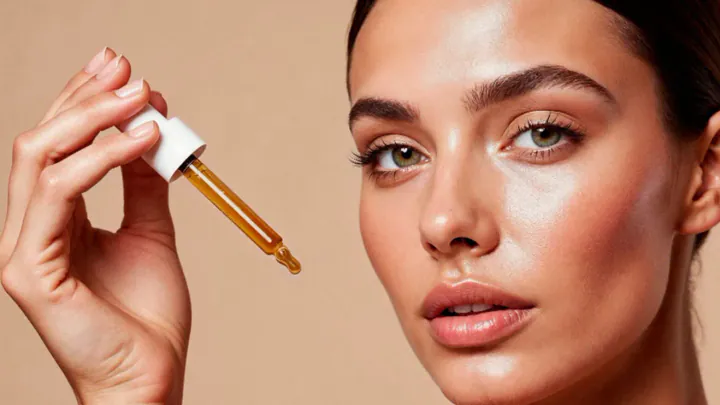
TL;DR: A hydrating face serum is a lightweight, water-based product that pulls moisture into the upper skin layers using humectants like hyaluronic acid and glycerin. The five below cover every budget. Apply to damp skin, seal with moisturizer within two minutes, and finish with SPF in the morning.
What exactly is a hydrating face serum, and how is it different from a moisturizer?
A hydrating face serum is a thin, fast-absorbing skincare product formulated to attract and hold water in the outer layers of the skin rather than to exfoliate, brighten or treat. It works mainly through humectants — ingredients that bind water molecules — delivered in a light gel or fluid base that sinks in without leaving a heavy film.
A moisturizer does the opposite job. It relies on emollients (squalane, fatty acids) and occlusives (petrolatum, dimethicone, shea butter) to slow transepidermal water loss, the constant evaporation of water through the skin's surface. Serums add water; moisturizers keep it in. That is why skipping the cream after a hyaluronic acid serum is one of the most common ways people conclude, wrongly, that hydrating serums "do nothing."
The ingredients that actually do the work
- Hyaluronic acid (and sodium hyaluronate): a humectant that binds a large volume of water relative to its weight. Formulas using several molecular weights spread hydration across depths rather than sitting only on the surface.
- Glycerin: the least glamorous and most dependable humectant on the list. Cheap, well tolerated, effective, and present in almost every good formula.
- Panthenol (provitamin B5): humectant and soothing agent, often used in barrier-support formulas.
- Niacinamide: supports the skin's own lipid production and barrier function; commonly used between 2% and 5% in hydrating formulas.
- Ceramides, squalane and aloe: supporting cast that helps hold everything in place and calms reactive skin.
Which five hydrating serums are worth adding in 2026?
Our picks span roughly $10 to $60 and were chosen for formula transparency, texture that layers well under sunscreen, and a track record with a wide range of skin types. Prices vary by size, retailer and region, so treat the figures below as bands rather than quotes.
| Serum | Key ingredients | Texture | Best for | Approx. price band |
|---|---|---|---|---|
| The Ordinary Hyaluronic Acid 2% + B5 | Multi-weight hyaluronic acid, panthenol | Slightly tacky gel | First-time serum users on a budget | Around $10 |
| Vichy Minéral 89 | Volcanic mineralizing water, hyaluronic acid | Very light, water-like | Daily use and layering under actives | $30–$35 |
| Glow Recipe Plum Plump Hyaluronic Serum | Multiple hyaluronic acid weights, plum extract antioxidants | Cushiony gel-cream | Combination skin, rough texture | $40–$50 |
| La Roche-Posay Hyalu B5 | Hyaluronic acid, vitamin B5, madecassoside | Silky, slightly rich fluid | Sensitive, stressed or mature skin | $40–$50 |
| Drunk Elephant B-Hydra Intensive Hydration Serum | Provitamin B5, pineapple ceramide, fruit extracts | Light lotion | Dull, tired, sun-exposed skin | $50–$60 |
The Ordinary Hyaluronic Acid 2% + B5
The reference-point budget option. It uses low, medium and high molecular weight hyaluronic acid with panthenol, and it does exactly one thing well. The trade-off is texture: it is noticeably tacky, and if you apply too much it will pill under sunscreen. Two drops on damp skin, then moisturizer, solves that.
Vichy Minéral 89
Built around Vichy's mineral-rich thermal spring water plus hyaluronic acid, this is the best "disappears instantly" texture of the five. It behaves almost like an essence, which makes it the easiest to slot into a routine that already includes retinol, azelaic acid or exfoliating acids without adding weight.
Glow Recipe Plum Plump Hyaluronic Serum
A more sensorial formula with several hyaluronic acid weights and antioxidant-rich plum extract. It is the one most people describe as visibly plumping in the short term. It is lightly fragranced, so it is not our first pick for reactive skin.
La Roche-Posay Hyalu B5
Fragrance-free, dermatologist-favored, and the calmest of the group thanks to madecassoside, a centella-derived soothing ingredient. If your skin stings easily or you are recovering from over-exfoliation, this is the safest starting point on the list.
Drunk Elephant B-Hydra
Panthenol-led rather than hyaluronic-acid-led, which some people with very dry skin prefer because it feels less flat. It is essence-light and layers cleanly, though it is the priciest per milliliter here and the fruit extracts can bother very sensitive skin.
How do you know if your skin is dehydrated rather than dry?
Dehydrated skin lacks water; dry skin lacks oil. Dehydrated skin feels tight after cleansing, looks dull, shows fine crepey lines on the cheeks, and can still be shiny by midday. Dry skin flakes, feels rough, and rarely gets oily at all.
Decision rule: if your skin is tight and shiny, you need a humectant serum plus a light gel-cream. If it is tight and flaking, a hydrating serum alone will not fix it — you need lipids, which means a ceramide cream or an occlusive step on top. Our guide to skin barrier repair walks through the lipid side in detail, and if your dryness is seasonal, an occlusive night routine like slugging often does more than another serum.
How should you apply a hydrating serum for best results?
Apply two to four drops to skin that is still visibly damp from cleansing, press rather than rub, and follow with moisturizer within roughly two minutes. The damp-skin window matters more than the product you choose — a humectant needs water available to bind.
- Cleanse with a gentle, non-stripping cleanser and leave the skin damp.
- Press two to four drops of serum over the face and neck. Do not massage it in aggressively.
- Apply moisturizer immediately, while the serum is still slightly tacky.
- In the morning, finish with broad-spectrum SPF 30 or higher.
- At night, add an occlusive balm on dry patches if you live somewhere cold or heated.
Worked example — a dry, heated apartment in February: cleanse with a cream cleanser, mist lightly with water, press in Minéral 89, apply a ceramide cream, then dab petrolatum on cheeks and around the nose. Same serum, three times the payoff, because the water has somewhere to stay.
Can hyaluronic acid make your skin feel worse in dry weather?
Yes, in one specific scenario: when you apply a pure humectant serum to dry skin in very low humidity and then leave it uncovered. Humectants draw water from whatever is nearby, and in bone-dry air the nearest source is your own skin. The result is tightness rather than plumpness.
This is not a reason to avoid hyaluronic acid. It is a reason to always apply it damp and always seal it. Formulas that pair hyaluronic acid with glycerin, panthenol or ceramides — most of the five above — are less prone to this than single-ingredient concentrates.
What mistakes quietly waste a good hydrating serum?
- Using too much. More product means pilling under SPF, not more hydration. A pea-sized amount is plenty.
- Skipping the moisturizer. The single most expensive mistake, because it makes an effective serum look useless and sends people shopping again.
- Stacking too many actives. Retinol, an acid toner and a vitamin C in the same week will out-irritate any serum. If you are juggling actives, a structured approach like skin cycling is more effective than adding hydration on top of chaos.
- Ignoring the cleanser. A high-pH foaming wash strips the barrier faster than a serum can rebuild it.
- Judging in three days. Surface plumpness is quick; genuine barrier improvement takes weeks.
Can you layer a hydrating serum with other serums?
Yes — apply thinnest to thickest, and put water-based hydration first so it lands on damp skin. A workable morning order is vitamin C, hydrating serum, moisturizer, sunscreen; at night, hydrating serum, retinoid, moisturizer.
Two honest caveats. First, layering more than two treatment serums rarely adds benefit and often adds irritation. Second, if you are using a hydrating serum specifically to buffer a retinoid, applying it before the retinoid reduces sting more than applying it after.
Are hydrating serums safe for every skin type?
Nearly all skin types tolerate humectant serums, including oily and acne-prone skin, because these formulas add water rather than oil. Sensitive skin should scan for fragrance, essential oils and high concentrations of alcohol denat near the top of an ingredient list.
When this advice does not apply: if your skin is stinging, burning, weeping or newly reactive to products you have used for years, stop adding products and see a board-certified dermatologist. The same goes for persistent redness, sudden acne changes, or anything you suspect is eczema, rosacea or an allergy. A serum is a maintenance tool, not a treatment for a skin condition, and nothing here is a substitute for advice from a qualified professional.
New to serums? Patch test on the jawline for three nights, then use the serum every other day for a week before going daily.
What else affects hydration besides the serum?
Room humidity, hot showers, harsh cleansers, sleep and sun exposure all move the needle more than most people expect. A humidifier in a heated bedroom is often the highest-return "skincare purchase" of the winter, and consistent rest matters too, since skin tends to look flatter after short nights.
Daylight timing plays a quieter role in overall skin and sleep rhythm; a short morning sunlight habit pairs well with a simple routine. None of this replaces sunscreen, which remains the highest-impact step in any regimen.
Key takeaways
- A hydrating serum adds water; only a moisturizer keeps it there. Use both, in that order, on damp skin.
- Price does not predict performance — glycerin, panthenol and hyaluronic acid are inexpensive and effective, so a $10 serum can match a $60 one on hydration alone.
- Tight and shiny means dehydrated (humectant serum); tight and flaky means dry (add lipids and an occlusive).
- In very dry air, an unsealed humectant can make skin feel tighter — always follow within two minutes.
- Two to four drops is the whole dose; overapplying causes pilling under sunscreen, not better results.
- Persistent stinging, redness or flaking warrants a dermatologist, not another serum.
Frequently asked questions
What is the difference between a hydrating serum and a moisturizer?
A hydrating serum is a lightweight, water-based step that delivers humectants such as hyaluronic acid and glycerin into the upper skin layers, while a moisturizer is a heavier mix of emollients and occlusives that slows water loss. Serums add water; moisturizers keep it there. Most people get the best results using both, serum first on damp skin, moisturizer immediately after.
Can hyaluronic acid actually dry out your skin?
It can feel that way in very dry air if you apply it to dry skin and skip a moisturizer, because humectants draw on whatever moisture is available, including water already in your skin. The fix is simple: apply the serum to skin that is still damp from cleansing and seal it within a minute or two with a cream containing ceramides, squalane or petrolatum.
Are hydrating serums suitable for oily and acne-prone skin?
Yes, and oily skin is often dehydrated at the same time. Water-based humectant serums add moisture without adding oil, and many people find their skin looks less shiny once it stops overcompensating. Look for fragrance-free gel textures and check labels for heavy plant oils or silicone-rich finishes if you clog easily.
How long does it take to see results from a hydrating serum?
Surface plumpness and a softer feel usually show up within a few days, while improvements in flakiness, tightness and barrier resilience typically take three to six weeks of consistent use. If nothing has changed after two months, the issue is more likely your cleanser, your climate or an over-active routine than the serum itself.
Can you use a hydrating serum with retinol or vitamin C?
Yes, and pairing them is often smart because humectants buffer the dryness that retinoids and acids can cause. Apply thinnest to thickest: water-based hydrating serum on damp skin, then your active, then moisturizer. If you are already irritated, use the hydrating serum and moisturizer alone for several nights before reintroducing actives.
Do expensive hydrating serums work better than cheap ones?
Not reliably. Hyaluronic acid, glycerin, panthenol and niacinamide are inexpensive and well studied, so a $10 serum can hydrate as effectively as a $60 one. Higher prices generally buy texture, fragrance, packaging and supporting antioxidants, which matter for enjoyment and consistency but not for basic water-binding performance.
How much hydrating serum should you use?
Two to four drops, or roughly a pea-sized amount, is enough for the whole face. Overloading a humectant serum leaves a tacky film that pills under sunscreen and makeup without improving hydration. If your skin still feels tight, the answer is a richer moisturizer on top, not more serum.