The 30-Day Zero Waste Challenge: An Honest Guide
Here is a week-by-week guide to a 30-day zero waste challenge: which swaps cut the most waste, what they cost upfront, the mistakes that quietly create more packaging, and the habits that survive past day 30.
Rewritten with AI and republished automatically. Our editors set the standards and fix reported errors — how we work.

TL;DR: A 30-day zero waste challenge will not get you to zero. It will show you where your trash actually comes from — mostly food and food packaging — and let you keep two or three habits that stick. Track first, change second, and buy new gear last.
What is a 30-day zero waste challenge, exactly?
A 30-day zero waste challenge is a self-directed month in which you try to send as little material as possible to landfill, usually by tracking your trash, cutting food waste, and replacing single-use items with durable or refillable alternatives. There is no governing body and no official rule set. You write the rules on day one, which is both the appeal and the trap.
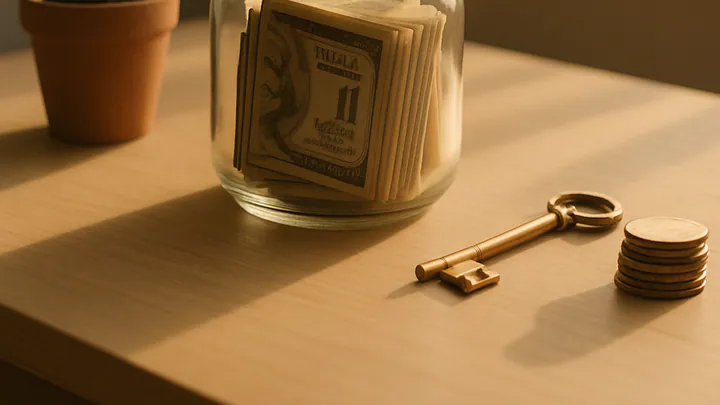
The version you have probably seen online — a year of garbage compressed into one small mason jar — makes for a striking photo and a misleading metric. That jar almost never includes recycling, compost, or the packaging that was discarded upstream before the product reached the shelf. A more useful target: reduce landfill volume, reduce food thrown away, and end the month with habits that survive a busy week.
How much trash can you realistically cut in 30 days?
A meaningful reduction is realistic; elimination is not. The big drop comes from two places — uneaten food and beverage or takeout packaging — and once those are addressed the curve flattens hard. The last stubborn 30 percent is medication blisters, pet food bags, tape, dental floss, receipts, and the plastic film wrapped around things you did not choose to buy that way.
That flattening is the most useful lesson of the month. Individual effort handles the easy portion; the remainder is a design problem owned by manufacturers and municipalities. Knowing where your personal ceiling sits stops the challenge from turning into low-grade guilt.
Rules worth setting, and why
- No new purchases to "prepare" — use what is already in the cupboard until it runs out.
- Track everything for seven days before changing anything. Without a baseline you cannot tell improvement from wishful thinking.
- Recycling counts as waste, not a win. It is better than landfill and worse than not producing the item.
- Exceptions are allowed and written down — medical supplies, accessibility aids, and food safety always override the challenge.
What should you do in week one before changing anything?
Nothing except measure. Week one is an audit: keep your normal habits, but photograph or log every item that leaves the house as trash. The point is to find your personal top three waste sources, which are rarely the ones sustainability listicles fixate on.
The audit also exposes an awkward truth: the items that create the most waste are almost always tied to being rushed. Waste is usually a scheduling problem wearing an environmental costume.
How do you cut food waste, the biggest source in most kitchens?
Plan around ingredients that overlap, shop for a shorter horizon, and cook the perishables first. Food waste is the highest-leverage target in any zero waste challenge because you paid for the food twice — once at the register and once in the hauling fee.
Here is a worked example. Say one bunch of cilantro tends to rot at 80 percent remaining. Buy it only when three meals in the same week can use it: a sheet-pan traybake on Monday, a grain bowl on Wednesday, and stems blitzed into a sauce on Friday. Same with a half bunch of kale, a lone lemon, a partial tub of yogurt. The rule is simple — if an ingredient cannot appear in at least two meals within five days, it does not go in the cart.
Format matters more than recipes here. Meals that absorb odds and ends are the ones that prevent waste, which is why our sheet-pan dinner framework and our one-pot pasta guide both belong in the challenge rather than being casualties of it. A tray or a single pot forgives a wilting vegetable in a way a precise recipe does not.
Breakfast is the other quiet fix. Repetitive, ingredient-light mornings produce almost no waste, and several of our high-protein breakfast options run on bulk oats, eggs, and yogurt bought in the largest container that fits the fridge.
Three food-waste mistakes that cost you
- Freezing without labeling. Unlabeled containers become archaeology, then trash. A strip of tape and a date solves it.
- Batch cooking more than the week can absorb. Cooking seven portions of one dish on Sunday guarantees two get thrown out by Thursday. Cook four.
- Forgetting the tare weight at the bulk bins. If the cashier cannot weigh your empty jar first, you pay for glass at the price of walnuts — and some stores will refuse the container entirely, which ends with a plastic bag anyway. Call ahead.
What do the bathroom swaps actually cost upfront?
Expect a higher sticker price and a lower cost per use. The bathroom is where most challenges lose money, because it is tempting to replace a full shelf of half-used products at once — which is itself waste. The rule should be strict: swap only at the point of running out.
| Swap | Typical upfront cost | Rough payback | Honest caveat |
|---|---|---|---|
| Safety razor + blade pack | $25–$45 | Under a year for regular shavers | Real learning curve; blades need a sealed blade bank, never loose trash |
| Shampoo and conditioner bars | $10–$18 each | Roughly neutral | Hard water can leave residue; results vary a lot by hair type |
| Toothpaste tablets | $8–$15 per jar | Usually more expensive than tubes | Check for fluoride if your dentist recommends it |
| Bar soap instead of body wash | $3–$8 | Immediate | The easiest win in the entire challenge |
| Home compost bin or bokashi | $30–$90 | Not financial — diverts the heaviest waste | Needs a yard, a drop-off, or municipal organics pickup |
Two notes worth saying plainly. If a product change irritates your skin or scalp, stop and consult a qualified professional — a dermatologist or your dentist — rather than pushing through for the sake of a challenge. And if the upfront spend strains the month, treat it like any other planned expense; building a small sinking fund is a calmer approach than charging a shelf of new gear in week three. None of this is financial advice, just sequencing.
Which zero waste swaps are not worth it?
Anything you buy new to replace something that still works. Retiring a functioning plastic container to buy a glass one produces waste immediately and saves none. The greenest item in any kitchen is the one already in the drawer.
Two more honest exclusions:
- Compostable plastics. Most certified compostable cups and utensils need industrial composting conditions a backyard pile never reaches. In a home bin they largely sit there.
- Pre-cut produce for people who need it. If a disability, injury, or limited kitchen access makes prepped food the difference between cooking and not cooking, the packaging is the right trade. A challenge that makes eating harder is a bad challenge.
There is also a mild trap in adjacent minimalism. Decluttering in the name of sustainability sends usable things to landfill fast. If you want the wardrobe side of this, do it as a slow edit: wear what you already own rather than purging it.
What belongs in a zero waste kit you will actually carry?
Four items, maximum, and they have to live in the bag you already take out the door. A kit that is too heavy or stored somewhere clever tends to fail. A workable one is a flat tote, a water bottle, one lidded cup, and a cloth napkin that doubles as a wrapper for a bakery item.
Travel cutlery sounds essential and mostly is not, unless you regularly eat takeout at a desk. Be honest about which situations you are in weekly rather than which ones look good in a photo. The decision rule: if you did not use an item in the first ten days, take it out of the bag.
What actually survives after day 30?
Usually a few habits, such as shopping for five days instead of ten, composting, and bar soap. Everything else either folds into normal life or quietly lapses. That ratio is the realistic output of a 30-day challenge, and it is not a failure — three permanent habits beat a month of perfect performance followed by relapse.
The deeper change is a pause before buying. Not guilt, just a two-second question: will this be used up, and what is left when it is? That one question does more over a year than any single product swap, and it costs nothing.
If you want a smaller starting point than a whole month, pick a single room or a single meal. Making the entryway function well so reusables are grabbed on the way out removes more friction than willpower ever will.
Key takeaways
- Spend week one measuring, not changing. Your top three waste sources are probably not what you assumed.
- Food and food packaging dominate most household trash, so the kitchen deserves the bulk of your attention.
- Swap only when something runs out; buying replacements for working items creates waste immediately.
- Expect roughly $60–$180 in optional durable swaps, most of which pay back over years rather than weeks.
- Medical needs, food safety, and accessibility always override the challenge — build the exceptions in on day one.
- Judge the month by how many habits survive day 31, not by how small the jar looks.
Frequently asked questions
What is the 30-day zero waste challenge?
It is a self-directed month in which you try to send as little as possible to landfill, usually by tracking your trash, cutting food waste, and replacing single-use items with durable or refillable ones. There is no official governing body, no certification, and no fixed rule set — most people define their own boundaries on day one.
Is it realistic to produce zero waste in 30 days?
No, and that is not the point. Most households in a normal supply chain cannot avoid packaging on medication, dairy, meat, cleaning supplies, or mail. A meaningful, repeatable reduction in landfill volume is the honest goal; a totally empty trash can usually means something got quietly reclassified as recycling.
How much does it cost to start a zero waste challenge?
It can cost nothing if you start with what you already own. The optional durable swaps — safety razor, shampoo bars, silicone lids, a compost bin — typically run somewhere between $60 and $180 spread over the month, and most pay for themselves over one to three years rather than immediately.
What produces the most household waste?
For most homes, food and food packaging together dominate the trash can by both volume and weight. That is why week two of a challenge should target the kitchen, not the bathroom — a pantry inventory and a leftovers plan will cut more than any single product swap.
Do I need to compost to do a zero waste challenge?
No, but composting is the single highest-impact addition if you have anywhere to put it. If you have no yard, no municipal organics pickup, and no drop-off site, focus on buying less perishable food instead — preventing food scraps beats processing them.
Are compostable plastics actually compostable at home?
Usually not. Most certified compostable cups, bags, and utensils require sustained industrial composting temperatures that a backyard pile rarely reaches. In a home bin or a landfill they behave much like conventional plastic, so treat them as a slight improvement, not a solution.
What should I do with the challenge after day 30?
Keep the two or three habits that required no willpower and drop the rest. A durable habit is one you can do while tired and distracted; anything that needed a reminder on day 25 will not survive month three.