Your Gut Health Meal Plan: A 7-Day Guide That Works
A gut health meal plan is less about superfoods and more about fiber diversity, fermented foods, and consistency. Here is a 7-day structure, realistic fiber targets, and the mistakes that make people quit in week one.
Rewritten with AI and republished automatically. Our editors set the standards and fix reported errors — how we work.
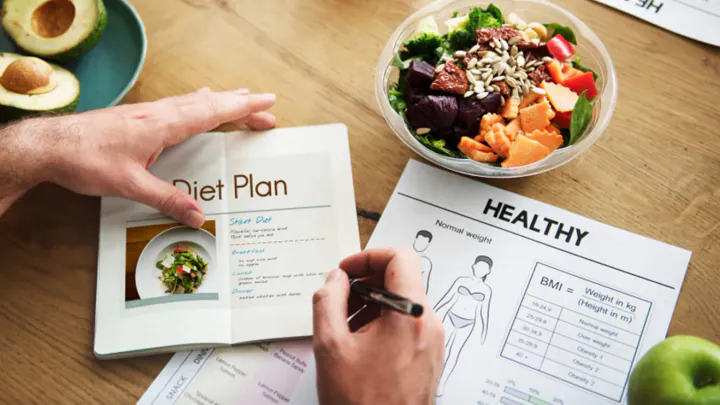
TL;DR: A gut health meal plan works when it delivers fiber diversity, a daily fermented food, enough water, and consistency — not exotic ingredients. Aim for 25–38 grams of fiber from many different plants, add a small serving of yogurt, kefir, kimchi, or sauerkraut daily, and increase fiber slowly to avoid bloating.
What exactly is a gut health meal plan?
A gut health meal plan is a structured way of eating designed to feed the microbes in your large intestine, keep digestion regular, and reduce the gastrointestinal symptoms that come from an under-fibered, over-processed diet. It is not a detox, a cleanse, or an elimination diet. It is mostly ordinary food arranged with more intent.
The plan rests on three levers you can actually control: how much fiber you eat, how many different plants that fiber comes from, and whether you include live-culture fermented foods. Everything else — timing, supplements, expensive powders — is secondary. If you want the broader science behind the microbiome before you start cooking, our practical guide to gut health covers the mechanisms in more depth.
This article is educational and is not a substitute for medical care. If you have a diagnosed digestive condition or persistent symptoms, work with a qualified professional such as a gastroenterologist or registered dietitian.
How does food actually change the gut microbiome?
Your colon hosts trillions of bacteria that ferment the fiber you cannot digest yourself. That fermentation produces short-chain fatty acids, including butyrate, which is a primary fuel source for the cells lining your colon. Feed those bacteria a narrow diet and you get a narrow microbial community; feed them varied plant fibers and the community broadens.
The gut is also densely wired with its own nervous system — often called the "second brain" — and the large majority of the body's serotonin is produced in the gut rather than the brain. That gut serotonin mostly regulates motility rather than mood directly, so be skeptical of any plan that promises to fix anxiety with breakfast. Research generally supports a real gut–brain link; it does not support a simple food-to-mood equation.
The practical takeaway: microbial shifts start within days of a diet change, but they also reverse within days if you stop. Consistency beats intensity.
Probiotics, prebiotics, fermented foods — what is the difference?
These terms get used interchangeably in marketing, and that costs people money. Here is the honest breakdown.
| Category | What it is | Everyday examples | Priority |
|---|---|---|---|
| Prebiotics | Fibers and compounds your own enzymes cannot break down, which feed resident bacteria | Oats, garlic, onion, leeks, bananas, chicory root, cooled potatoes and rice | Highest — this is the foundation |
| Fermented foods | Foods transformed by microbes, often containing live cultures plus fermentation byproducts | Yogurt with live cultures, kefir, kimchi, sauerkraut, miso, tempeh | High — a small daily serving |
| Probiotic supplements | Specific bacterial strains in defined doses | Capsules, sachets, shots | Situational — strain and reason matter |
| Polyphenol-rich foods | Plant compounds partly metabolized by gut bacteria | Berries, olive oil, green tea, cocoa, herbs | Useful bonus, easy to add |
Decision rule: if you are choosing where to spend effort, fix fiber first, add fermented foods second, and only consider a supplement if you have a specific reason — such as recovering from a course of antibiotics or following clinical advice.
How much fiber do you need, and how do you get there without bloating?
General dietary guidance for adults is roughly 25 grams of fiber a day for women and 38 grams for men, and most people eat far less. The most common and costly mistake is jumping from 12 grams to 35 grams in a single weekend. That reliably produces gas, cramping, and a decision that "fiber doesn't agree with me."
Increase by about 5 grams per week. Drink more water as you do — fiber without fluid can make constipation worse, not better. Cook your vegetables at first; cooked cabbage and roasted broccoli are gentler than raw slaw.
| Food | Serving | Fiber (approx.) |
|---|---|---|
| Cooked lentils | 1 cup | 15 g |
| Black beans | 1 cup | 15 g |
| Raspberries | 1 cup | 8 g |
| Rolled oats, dry | 1/2 cup | 4 g |
| Chia seeds | 2 tbsp | 10 g |
| Broccoli, cooked | 1 cup | 5 g |
| Whole wheat bread | 1 slice | 2 g |
Diversity matters as much as the total. A useful weekly target is to count distinct plant foods — vegetables, fruits, legumes, whole grains, nuts, seeds, herbs, and spices all count. Thirty different plants in a week sounds intimidating until you realize a mixed-bean chili with three herbs and two spices adds six in one pot.
What should a gut-friendly breakfast look like?
A strong gut-friendly breakfast pairs a prebiotic fiber source with a fermented food and enough protein to keep you from snacking on ultra-processed food at 10 a.m. Overnight oats with kefir or plain yogurt, ground flaxseed, and berries is the default template because it hits all three and takes four minutes the night before.
Other workable versions: eggs with sautéed spinach and a spoonful of kimchi; rye toast with avocado and sauerkraut; a smoothie with banana, oats, kefir, and a handful of frozen raspberries.
An edge case worth knowing: resistant starch increases when starchy foods are cooked and then cooled. Cooked-and-chilled potatoes, rice, and pasta feed gut bacteria more effectively than the same food eaten hot. A potato salad can be a better prebiotic than a bowl of hot mashed potato.
What does a full week of gut-friendly eating look like?
Here is a repeatable structure rather than a rigid prescription. Swap freely within each column; the pattern is what matters.
| Day | Breakfast | Lunch | Dinner | Fermented add-on |
|---|---|---|---|---|
| Mon | Overnight oats, flax, berries | Lentil and vegetable soup, rye bread | Salmon, quinoa, roasted broccoli | Plain yogurt |
| Tue | Eggs, spinach, rye toast | Chickpea and grain bowl | Chicken, cooled potato salad, greens | Sauerkraut |
| Wed | Kefir smoothie with banana and oats | Leftover grain bowl + extra beans | Tofu and vegetable stir-fry, brown rice | Miso soup |
| Thu | Yogurt, walnuts, pear | Tuna, white beans, arugula | Sheet-pan chicken and root vegetables | Kimchi |
| Fri | Oats with cocoa and chia | Minestrone with whole-grain pasta | Black bean tacos, cabbage slaw | Kefir |
| Sat | Whole-grain pancakes with berries | Big mixed salad, seeds, feta | Lentil stew with spinach | Yogurt on the stew |
| Sun | Eggs, mushrooms, tomatoes | Leftovers, any combination | Roast vegetables, barley, tahini | Sauerkraut |
Two Sunday habits make this stick: cook a pot of lentils or beans, and roast a tray of vegetables. If weeknight cooking is your bottleneck, our guide to fast, balanced sheet-pan dinners pairs neatly with this plan — one tray, plenty of plants, minimal cleanup.
Which foods should you actually limit?
Limit the things with reasonable evidence behind them: highly processed meats, heavy alcohol intake, and a diet dominated by ultra-processed foods with little fiber. Those are the patterns most consistently linked to poorer digestive outcomes.
Be more skeptical about the rest of the usual villain list. A single dessert does not "destroy your gut lining." Some sugar alcohols and artificial sweeteners cause gas in sensitive people — sorbitol and mannitol are common culprits in sugar-free gum — but that is a tolerance issue, not universal damage. Fried food often displaces fiber rather than being uniquely toxic.
The honest framing: what you crowd out matters more than what you eliminate. Adding two cups of vegetables and a serving of beans does more than removing one food group.
When does this plan not apply to you?
This is where generic gut advice does real harm. Several foundations of a standard gut-friendly diet are high in FODMAPs — garlic, onion, wheat, apples, legumes — and can reliably trigger symptoms in people with irritable bowel syndrome. If high-fiber eating makes you predictably worse, pushing harder is the wrong move; a supervised low-FODMAP elimination and reintroduction process is the right one.
Other exceptions worth naming:
- Active inflammatory bowel disease flares. High-residue diets are often restricted during a flare. Follow your clinician, not a meal plan article.
- Significant immunosuppression. Live-culture and unpasteurized foods may need to be avoided; ask your care team.
- Histamine sensitivity. Aged and fermented foods are high in histamine and can trigger flushing or headaches in a small group of people.
- Red-flag symptoms. Unintended weight loss, blood in the stool, persistent vomiting, difficulty swallowing, or nighttime symptoms that wake you need medical assessment, not dietary experimentation.
What lifestyle habits multiply the effect?
Sleep, movement, and stress regulation change gut function independently of food. Short sleep is associated with worse appetite regulation and more digestive complaints, and the gut has a circadian rhythm of its own — which is why late, heavy meals often feel worse than the same meal at 7 p.m.
Three habits with the best effort-to-effect ratio:
- Protect sleep timing. A consistent wake time does more than a perfect bedtime. Our sleep hygiene reset guide is a good place to start if this is your weak link.
- Walk after meals. Ten to fifteen minutes of easy movement supports gastric emptying and blood sugar. Building an easy aerobic base with Zone 2 cardio works well alongside it.
- Get morning light. Anchoring your circadian rhythm supports digestive timing.
How will you know it is working?
Track three things for four weeks: bowel regularity and stool consistency, post-meal bloating on a simple 0–10 scale, and energy in the mid-afternoon. Those are specific, noticeable, and honest. "Feeling healthier" is not measurable and will not tell you whether to continue.
A worked example: a reader eating around 12 grams of fiber daily adds oats at breakfast (4 g), a cup of lentil soup at lunch (15 g over the bowl), and a cup of raspberries as a snack (8 g). That is roughly 27 grams within a week — too fast. Spreading the same additions across three weeks, one at a time, produces the same endpoint with a fraction of the gas.
Key takeaways
- Fiber quantity and plant diversity are the two levers that matter most; everything else is refinement.
- Add fiber at roughly 5 grams per week with extra water — going faster is the single most common reason people quit.
- A small daily serving of fermented food beats an expensive supplement for most healthy adults.
- Cooked-and-cooled potatoes, rice, and pasta deliver resistant starch that hot versions do not.
- If you have IBS, IBD, immunosuppression, or red-flag symptoms, this plan needs professional adaptation rather than stricter adherence.
- Measure regularity, bloating, and afternoon energy for four weeks — data, not vibes, tells you if it is working.
Frequently asked questions
How long does it take for a gut health meal plan to work?
Most people notice changes in bowel regularity and bloating within one to three weeks, while shifts in microbiome composition can begin within days of a consistent dietary change. Energy and mood effects are slower and harder to attribute to diet alone. If nothing has improved after six to eight weeks of consistent eating, that is a signal to talk to a clinician rather than to try harder.
Do I need to buy probiotic supplements?
Most people do not. Fermented foods such as yogurt with live cultures, kefir, kimchi, sauerkraut, and miso deliver live microbes alongside fiber, protein, and minerals, usually at a lower cost per serving. Supplements are strain-specific tools best used for a defined reason — after antibiotics, or for a condition a clinician is treating — not as a general daily habit.
How much fiber should I eat each day?
General dietary guidance for adults sits around 25 grams a day for women and 38 grams for men, and most people in Western countries fall well short. Just as important as the total is the variety: aim for many different plant foods across a week rather than large amounts of one or two.
Why does eating more fiber make me bloated?
Bloating usually means you increased fiber faster than your gut bacteria and transit time could adapt. Add roughly 5 grams of fiber per week, drink more water as you do, and cook vegetables rather than eating them raw at first. If bloating is severe, painful, or paired with weight loss or blood in the stool, stop self-managing and see a doctor.
Is a gut health meal plan safe if I have IBS?
Not automatically. Several core gut-friendly foods — garlic, onion, beans, wheat, apples, and some fermented products — are high in FODMAPs and can trigger symptoms in people with IBS. A structured low-FODMAP elimination and reintroduction protocol, supervised by a registered dietitian, is the better first step, and the goal is still to reintroduce as much variety as you tolerate.
Can I follow this plan on a budget?
Yes. The highest-value gut foods are among the cheapest: dried lentils, split peas, canned beans, oats, frozen vegetables and berries, cabbage, potatoes, and plain yogurt. Homemade sauerkraut costs little more than a cabbage and salt. Expensive powders and branded gut drinks add cost without adding fiber diversity.
Does alcohol ruin a gut health meal plan?
Heavy or frequent drinking is associated with intestinal irritation and less favorable microbial patterns, but an occasional drink is unlikely to undo a consistent diet. If you are managing reflux, IBS, or a diagnosed gut condition, alcohol is one of the first things worth testing by removing it for two weeks and observing.
Should I eat fermented foods every day?
A small daily serving is a reasonable target for most healthy adults, and building up gradually is smarter than starting with a large portion. People who are significantly immunocompromised, pregnant and avoiding unpasteurized products, or sensitive to histamine should check with a qualified professional before making fermented foods a daily habit.