Capsule Wardrobe 2026: Build a Closet That Works
A capsule wardrobe cuts decision fatigue and elevates your daily style. Here's how to build one in 2026 that fits your life, budget, and climate.

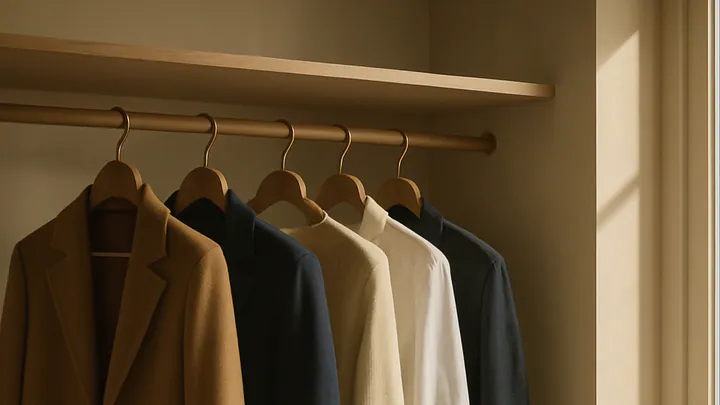
TL;DR: A capsule wardrobe for 2026 is a small, intentional collection of clothes — usually 30 to 40 pieces — that mix and match to create most of your outfits. Start by auditing what you already own, choose a tight color palette, invest in well-fitting basics, and add just enough personality pieces to keep it interesting. Done right, it cuts morning decision fatigue, saves money over time, and makes you look consistently pulled together.
We've watched capsule wardrobes evolve from a niche minimalist idea into one of the most searched-for style topics of the last few years. In 2026, the version that actually works isn't the stark ten-piece grid you see on social media — it's a flexible, personal system that respects your climate, your job, and the way you actually spend your weekends. Below is our practical playbook for building one.
What a capsule wardrobe really is (and isn't)
A capsule wardrobe is a curated set of clothes designed to work together. Every top should pair with most of the bottoms. Every jacket should layer over most of the tops. When the system is tight, getting dressed becomes a matter of picking a mood rather than solving a puzzle.
It is not a rule about owning exactly 33 items, wearing only beige, or throwing out everything you love. Rigid capsule rules tend to backfire because they ignore the reality of hobbies, seasons, and dress codes. The point is intentionality, not deprivation.
Why it works so well
- Fewer decisions: When everything already coordinates, you stop staring into your closet.
- Better cost-per-wear: A well-chosen coat worn 200 times beats three trend jackets worn twice.
- A clearer personal style: Repetition of shapes and colors makes you look intentional rather than random.
- Less waste: Buying less and buying better is one of the simplest ways to shop more sustainably.
Step 1: Audit what you already own
Before spending a cent, empty your closet onto the bed. We recommend three piles: love and wear, neutral middle, and never reach for. Be honest — if you haven't worn something in a full year and it isn't formal or seasonal, it probably isn't earning its hanger.
The "love and wear" pile is your real starting point. Look for patterns: Do you gravitate toward one silhouette? A certain neckline? Two or three recurring colors? That pattern is your personal style speaking, and your capsule should be built around it, not against it.
Questions to ask about each piece
- Does it fit me now, not five pounds from now?
- Does it work with at least three other things I own?
- Would I buy it again today at full price?
- Is it in good repair, or is it quietly stained, pilled, or stretched out?
Step 2: Choose a color palette
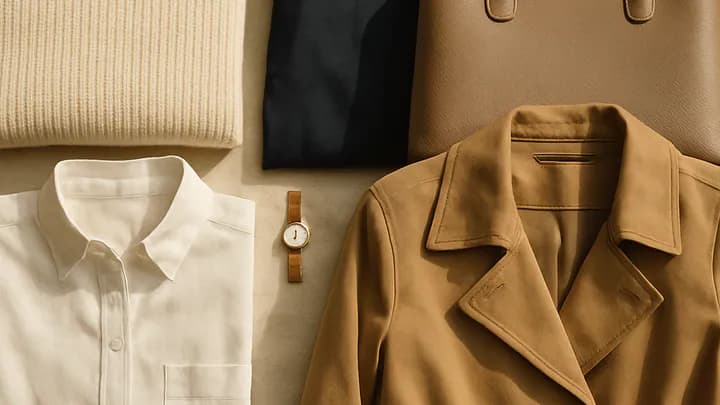
A tight color palette is the single biggest reason capsule wardrobes look expensive. We suggest picking two neutrals as your foundation (for example, navy and ivory, or black and camel), one secondary neutral (denim, olive, grey, or brown), and one or two accent colors that genuinely flatter you.
Keep prints to a minimum — a good rule is that any pattern should include at least one color already in your palette. That way a striped shirt or a floral scarf still slides into existing outfits without a fight.
Palette starting points
- Warm classic: Camel, ivory, chocolate brown, denim, rust accent.
- Cool minimalist: Black, charcoal, white, grey, cobalt accent.
- Soft modern: Cream, taupe, sage, denim, dusty pink accent.
Step 3: Build the core pieces
Below is a flexible framework. Adjust quantities up or down based on your climate and how often you do laundry. If you work from home, cut back on structured pieces. If you live somewhere with real winters, add insulated layers.
Tops (6–10)
- 2–3 well-fitting white or ivory tees
- 1–2 crisp button-ups
- 2–3 knits in neutral colors
- 1 elevated top for dinners or events
Bottoms (4–6)
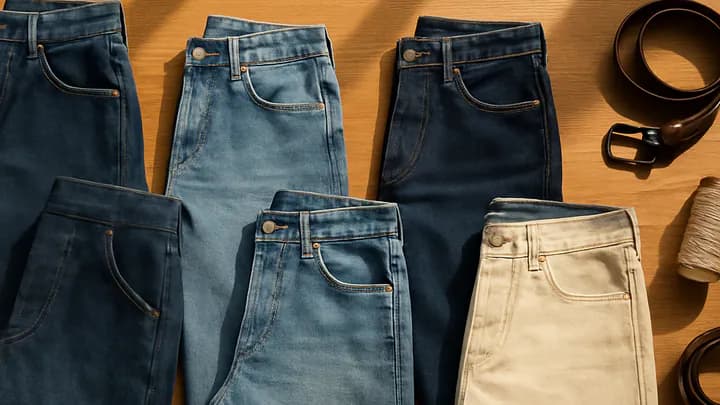
- 1 pair of dark straight or wide-leg jeans
- 1 pair of lighter or more relaxed jeans
- 1 pair of tailored trousers
- 1 skirt or additional trouser in your palette
Layers and outerwear (3–5)
- A structured blazer
- A weather-appropriate coat (wool, trench, or parka)
- A casual jacket (denim, leather-look, or bomber)
- A cardigan or overshirt for in-between temperatures
Dresses and one-pieces (1–3, optional)
- 1 easy day dress in a neutral
- 1 dress you can dress up or down for events
Shoes (4–6)
- Clean white or neutral sneakers
- Everyday boots or loafers
- A dressier option (heel, sleek flat, or Chelsea boot)
- Seasonal footwear as needed (sandals, waterproof boots)
Accessories
- One structured bag and one casual bag
- A leather or leather-look belt in a color that matches your shoes
- A simple watch and two or three pieces of jewelry you wear daily
- A scarf or two in palette-friendly colors
Step 4: Prioritize fit over labels
Fit is what separates an inexpensive outfit that looks polished from a designer piece that looks sloppy. Pay attention to shoulder seams sitting exactly at your shoulder, trouser hems breaking cleanly at your shoe, and knits skimming rather than clinging.
Budget for tailoring. Hemming jeans, taking in a blazer, or shortening sleeves usually costs less than the piece itself and dramatically improves how you look in it. A tailor is one of the most underrated investments in personal style.
Step 5: Shop the gaps, not the sales
Once your core is in place, resist the urge to browse aimlessly. Keep a short running list on your phone of the specific pieces you're still missing — for example, "black straight-leg trousers, ankle-length, mid-rise." When you see something that matches, you'll know. When you see something that doesn't, it's easier to walk away.
We suggest a simple test before any purchase: can you name three things already in your closet that this new piece will pair with? If you can't get to three, it probably isn't a capsule addition — it's an impulse.
Where trend pieces fit in
A capsule wardrobe doesn't have to be trend-free. We usually recommend keeping roughly 10–15 percent of your closet open for pieces that reflect the current moment — a buzzy silhouette, a seasonal color, or a statement accessory. Because the base is so consistent, one trend piece can carry a whole season of outfits without dating the rest of your wardrobe.
Step 6: Maintain it season by season
Twice a year, do a light review. Pull anything damaged for repair or retirement, note what you reached for constantly (buy another in a different color if it's a workhorse), and swap heavy and light layers in and out of prime closet real estate.
Care matters as much as curation. Wash knits gently, hang tailored pieces properly, and polish leather shoes occasionally. A capsule wardrobe rewards the small habits that keep good clothes looking good for years.
Common mistakes to avoid
- Going all-beige: If neutral tones don't flatter you, you'll stop wearing your own closet. Include color you actually like.
- Ignoring your real life: If you spend weekends hiking or chasing toddlers, a closet full of silk blouses is aspirational fiction.
- Buying it all in one weekend: A capsule is built over months. Rushing it usually means returns and regret.
- Copying someone else's list: Influencer capsules are a starting point, not a prescription.
Key takeaways
- Start with what you already own and love; build outward from there.
- Pick a tight color palette so every piece coordinates with most others.
- Prioritize fit and tailoring over brand names and trend cycles.
- Shop from a specific gap list, not from browsing.
- Leave a small budget for trend pieces and one or two accent colors so your style still feels current and personal.
- Review lightly twice a year; resist full overhauls.
Editorial note: The suggestions above are general style guidance from our editorial team, not personal styling advice. Body shape, budget, dress code, and climate all matter — adapt the framework to your own life, and when in doubt, a professional tailor or personal stylist can help you refine the fit and mix that works best for you.
Frequently asked questions
How many pieces should a capsule wardrobe have?
Most capsule wardrobes contain 30 to 40 pieces, including tops, bottoms, outerwear, and shoes, but the right number depends on your climate and lifestyle. The goal is versatility, not a specific count.
Do I need to buy everything new to start a capsule wardrobe?
Not at all. The best starting point is your existing closet. Pull out what you already love and wear often, then identify the small gaps that would tie those pieces together into more complete outfits.
How often should I refresh a capsule wardrobe?
Most people benefit from a light seasonal review — twice a year is plenty. Swap in weather-appropriate layers, retire worn-out items, and resist the urge to overhaul everything at once.
Can a capsule wardrobe include trends?
Yes, but keep trend pieces to a small percentage of your closet. A trend-forward jacket, bag, or shoe can freshen a neutral base without destabilizing the whole system when styles shift.
Is a capsule wardrobe cheaper in the long run?
Usually, yes. Fewer, better-chosen items reduce impulse buys and duplicate purchases. The upfront cost of quality basics is often offset within a year or two by lower overall spending.
What colors work best for a capsule wardrobe?
Neutrals like black, navy, charcoal, ivory, camel, and olive tend to mix easily. Add one or two accent colors that flatter your skin tone so outfits feel personal rather than uniform.