Quiet Luxury in 2026: Build a Refined Wardrobe
Quiet luxury isn't about expensive logos — it's about fit, fabric, and restraint. Here's how to build a refined 2026 wardrobe at any budget.

TL;DR: Quiet luxury in 2026 is less about logos and more about fabric, fit, and restraint. To build the look, prioritize a neutral color palette, natural fibers, precise tailoring, and a small set of versatile pieces you actually wear. You don't need designer prices — you need a sharper eye, a tailor you trust, and the patience to buy fewer, better things.
Over the last few years, our team has watched fashion swing hard toward understatement. The maximalist logo era hasn't vanished, but it has been quietly upstaged by something subtler: a camel coat with no visible label, a perfectly cut trouser, a knit that simply looks expensive when you walk into a room. That's the quiet luxury aesthetic — sometimes called stealth wealth or old money style — and in 2026 it has matured into a practical wardrobe philosophy anyone can adopt.
What Quiet Luxury Actually Means in 2026
Quiet luxury isn't a single trend you can shop in one weekend. It's a way of evaluating clothing. The pieces speak softly: muted colors, clean construction, a hand-feel that signals quality. The visible signals of wealth — big logos, loud prints, conspicuous hardware — get stripped away.
What replaces them are three things we keep coming back to in our editorial fittings:
- Fabric quality — what the garment is made of and how it drapes.
- Fit precision — how it sits on your specific body, not a mannequin.
- Design restraint — clean lines, considered proportions, no unnecessary detail.
Get those three right and almost any piece looks elevated, regardless of where you bought it.
Why the look has staying power
Trends move fast, but tailoring, neutral palettes, and natural fibers have looked good for decades. That's the appeal: a quiet luxury wardrobe ages slowly. Pieces you buy this year still work in 2028. For shoppers tired of fast-fashion churn, that long shelf life is the real luxury.
The Core Pieces of a Quiet Luxury Wardrobe
You don't need every item below on day one. Think of this as a slow-build checklist over six to twelve months. Start with the gaps in your current closet.
Outerwear
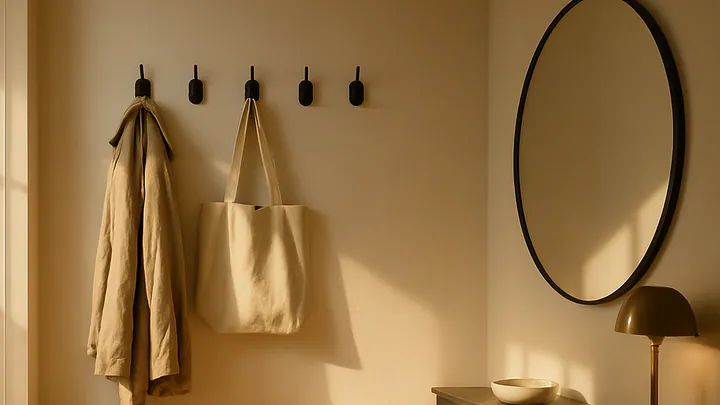
- A tailored wool overcoat in camel, navy, or charcoal.
- A clean-lined leather or suede jacket (no hardware overload).
- A trench in a classic length — just above or below the knee.
Tops and knitwear
- Two to three fine-gauge knits in neutrals (merino or cashmere blends).
- A chunky cream or oatmeal sweater for texture.
- Crisp cotton or silk-blend button-downs in white and a soft stripe.
- Premium plain tees that hold their shape after washing.
Bottoms
- Wide-leg or straight wool trousers in black, charcoal, and cream.
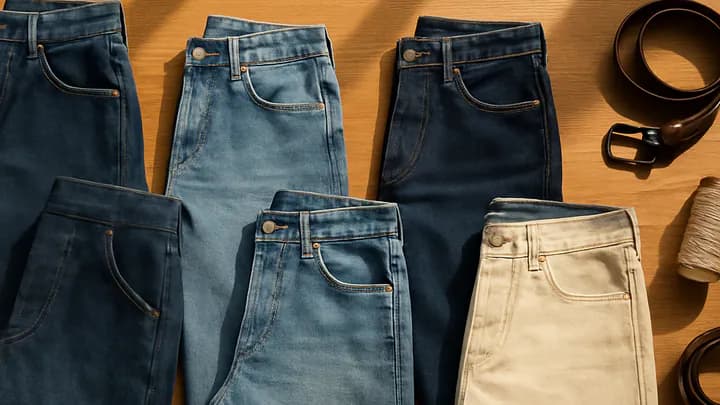
- A pair of dark, well-cut jeans without distressing.
- A mid-length skirt — pencil, A-line, or bias-cut silk.
Dresses
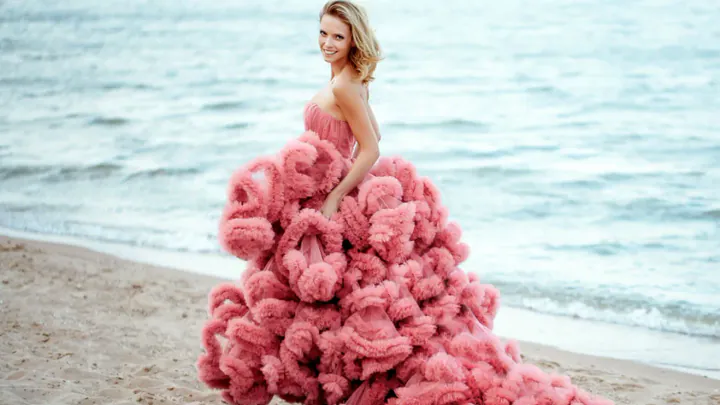
- A simple sheath or shirt dress for daytime.
- A bias-cut slip dress in a neutral that works for evenings.
Shoes and bags
- Leather loafers, ballet flats, or low block-heel boots.
- A structured tote in tan, black, or chocolate brown.
- A small evening bag with no obvious branding.
That's roughly twenty pieces, and most readers already own half of them. The work is replacing the weaker ones over time.
How to Shop Smarter, Not More Expensively
The biggest misconception about quiet luxury is that it requires a designer budget. It doesn't. Most of the visual cues come from material and fit, both of which you can chase at lower price points if you know what to look for.
Read the fabric label first
Before checking the price tag, flip the garment inside out. Aim for high percentages of natural fibers — wool, cashmere, cotton, linen, silk — or thoughtful blends that include them. Pure synthetics can work for outerwear shells and activewear, but for the pieces meant to look refined, natural fibers almost always drape and age better.
Feel the weight
Quality knits and wovens have a noticeable heft. A trouser that feels weightless and floppy in your hand will usually look that way on your body too. A sweater that feels substantial holds its shape after dozens of wears.
Check the construction
Look at the seams from the inside. Are they finished cleanly? Do the patterns match at the seams? Are buttons sewn on tightly with a shank? These small details separate a piece that lasts five years from one that pills and warps after a season.
Use the secondhand market
Consignment shops, vintage stores, and resale platforms are where the quiet luxury math really works. A pre-owned cashmere coat from a heritage brand often costs the same as a new fast-fashion lookalike — and looks dramatically better.
The Tailor Is Your Secret Weapon
If we had to recommend one habit that elevates a wardrobe faster than any single purchase, it would be building a relationship with a good local tailor. The vast majority of off-the-rack clothing is cut for an average body that almost no one actually has.
Small alterations make an outsized visual difference:
- Hemming trousers to break properly on your shoes.
- Taking in a blazer at the waist or shoulders.
- Shortening sleeves so a quarter-inch of shirt cuff shows.
- Tapering wide jeans to a cleaner straight leg.
Budget for tailoring the way you budget for the garment itself. A modestly priced jacket that fits perfectly will always look more expensive than a designer one that doesn't.
Building a Neutral Palette That Doesn't Feel Flat
Neutrals are the backbone of this aesthetic, but they can read dull if you're not careful. Our trick is to think in tonal families rather than matchy sets.
Pick two anchor neutrals
Choose two colors that flatter you — say, camel and navy, or ivory and charcoal — and let those anchor most of your purchases. Everything you buy should play nicely with at least one of them.
Layer textures, not colors
An outfit can be entirely in shades of cream and still feel rich if you mix a chunky knit, a silk camisole, a wool trouser, and a leather loafer. Texture does the work that bright color usually does.
Add one quiet accent
A single piece of considered jewelry — a thin gold chain, a pair of pearl studs, a simple watch — finishes the look. Resist the urge to layer five accessories at once.
Common Mistakes to Avoid
- Chasing the aesthetic with cheap synthetics. A polyester "silk-look" blouse will give the look away every time.
- Buying everything at once. Quiet luxury is built slowly. Panic-shopping a whole new closet usually produces regret.
- Ignoring your actual life. If you work in a creative industry or chase toddlers all day, an all-cashmere wardrobe will frustrate you. Build for the life you live, not the one on your inspiration board.
- Overlooking grooming and care. Lint, loose threads, and scuffed shoes undo even the best pieces. A clothing brush, a leather conditioner, and a quality steamer go a long way.
A Realistic 90-Day Plan
If you want a structured way to start, here's the approach we recommend to readers asking where to begin:
- Days 1–14: Audit your closet. Pull anything stained, pilled, or ill-fitting. Note the gaps.
- Days 15–30: Take three to five existing pieces to a tailor. See what a small investment does for your current wardrobe before buying anything new.
- Days 31–60: Buy one or two foundation pieces — likely a coat, a knit, or a trouser — focusing on fabric and fit over brand.
- Days 61–90: Add accessories and shoes that elevate what you already own. Reassess and plan the next quarter.
Ninety days in, most people see a meaningful shift without having spent more than they would on a typical seasonal haul.
Key Takeaways
- Quiet luxury rewards fabric, fit, and restraint over logos and trends.
- Natural fibers, clean construction, and proper tailoring matter more than price tags.
- Build a tight neutral palette and let texture do the visual work.
- Use consignment and resale to access better quality at lower cost.
- A trusted tailor is the single highest-leverage investment in your wardrobe.
- Build slowly — a 90-day plan beats a one-weekend overhaul.
Editorial note: This article is a style guide, not personal shopping or financial advice. What looks and feels right varies by body, climate, culture, and budget. Spend within your means, and treat the recommendations here as a starting point rather than a checklist you must complete.
Frequently asked questions
What is quiet luxury in fashion?
Quiet luxury is a style approach that prioritizes excellent fabric, precise fit, and understated design over visible logos or trend-driven pieces. The goal is clothing that looks expensive because it's well-made, not because it's branded.
Do I need a big budget to dress in quiet luxury style?
No. The core principles — neutral colors, clean lines, proper tailoring, and natural fibers — can be achieved at almost any price point. Buying fewer, better items and tailoring them well matters more than the brand on the label.
What colors define a quiet luxury wardrobe?
Most quiet luxury wardrobes lean on neutrals like ivory, oatmeal, camel, navy, charcoal, black, and soft browns. These shades mix easily, photograph well, and feel timeless season after season.
Which fabrics should I prioritize?
Look for wool, cashmere, silk, cotton, linen, and high-quality blends. Check fabric composition labels and feel the weight in your hands — heavier wovens and tighter knits usually drape better and last longer.
Is quiet luxury the same as minimalism?
They overlap but aren't identical. Minimalism focuses on owning less; quiet luxury focuses on owning well. You can have a quiet luxury wardrobe that's still fairly large, as long as each piece earns its place.
How do I avoid looking boring in neutrals?
Play with texture and proportion. A chunky knit over a silk slip, wide-leg trousers with a fitted tee, or a structured blazer with soft trousers creates visual interest without relying on bold prints or colors.
Are logos completely off-limits?
Not entirely, but they should be subtle. A small embroidered monogram or a discreet hardware detail is fine; oversized logos or all-over branding work against the quiet luxury aesthetic.