Mocha Mousse Lips: How to Wear the Cool Brown Lip Trend
Mocha mousse lips are the soft, coffee-toned lip look that sits between a nude and a full brown lipstick. Here is how to pick the right shade for your undertone, apply the whipped finish so it does not dry into a ring, and pair it without washing yourself out.
Rewritten with AI and republished automatically. Our editors set the standards and fix reported errors — how we work.
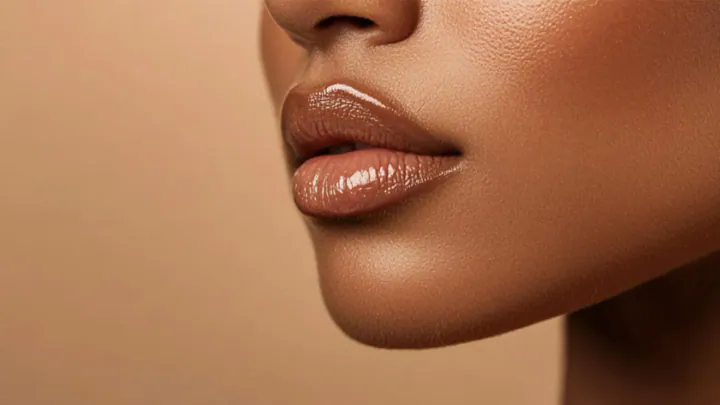
TL;DR: Mocha mousse lips are a neutral-to-cool brown lip in a soft, whipped finish — warmer than a taupe nude, quieter than a chocolate lipstick. Get the undertone right, line the whole lip rather than just the edge, and prep the skin first. Shade choice matters far more than brand or price.
What are mocha mousse lips, exactly?
Mocha mousse lips are a lip look built on a muted brown shade with neutral-to-cool undertones, worn in a velvety, low-shine finish that sits somewhere between a cream and a matte. The name nods to Pantone's 2025 Color of the Year, Mocha Mousse — a soft, milky brown that pulled warm neutrals into fashion, interiors and beauty at the same time.
Makeup artists often file the same look under "cool-toned brown lips." The distinction is real: a mocha shade should look like your natural lip color with the pinkness dialed down and a little coffee stirred in. It is not a nude, which erases lip definition, and it is not a nineties brown, which reads as a statement.
The reason this shade family became a staple rather than a one-season fad is that it does something structurally useful. Brown adds a shadow at the lip line that a pink nude cannot, so the mouth looks more defined without looking made up. That is why it survives on both a bare face and under full glam.
Which mocha shade suits my skin tone and undertone?
Match the shade to your undertone first and your depth second. The fastest test we use: hold the bullet directly against your bare lip. If the lipstick looks like your lip color with the pink drained out, the undertone is right. If it suddenly looks orange or muddy next to your natural lip, it is too warm.
- Fair, cool or neutral: greige and milky taupe-browns. Anything too deep will look like a bruise from three feet away.
- Fair to medium, warm or golden: caramel-leaning mochas with a hint of peach keep the face from going flat.
- Medium and olive: mauve-brown is the sweet spot. Olive skin has a green cast that fights gray-based taupes, and a mauve base neutralizes it.
- Tan to deep: cocoa, chestnut and plum-brown. Skip the heavily gray taupes — they tend to read ashy against warm depth rather than chic.
- Deep with cool undertones: a berry-brown gives the mocha effect without the dullness.
A worked example. Say you have olive skin and naturally pigmented, brownish-plum lips. A pale taupe mousse will fight you all day — your own pigment pushes through and turns it gray-mauve. The fix is not more product, it is a deeper shade: a chestnut-mauve applied straight over bare lips will land almost exactly where the pale shade was supposed to.
Which finish should I choose: mousse, matte, satin or gloss?
Choose by how long you need it to last and how much dryness you can tolerate. The whipped "mousse" finish is the signature of this trend, but it is also the least forgiving on textured lips, and it is not the only way to wear the color.
| Finish | Typical wear | Comfort | Best for |
|---|---|---|---|
| Whipped mousse / soft matte | 4–6 hours | Medium — sets down, mild tightness | The signature look; events, photos, all-day office wear |
| Liquid matte | 6–10 hours | Low — dries firmly, shows flakes | Weddings, long shifts, anything with a mask or a lot of talking |
| Satin bullet | 3–4 hours | High | Dry or mature lips; everyday wear that can be topped up |
| Tinted balm or lip oil | 1–2 hours | Very high | Beginners, winter, the "just left the house" version |
| Lip stain plus balm | 8+ hours | Medium-high | Travel, hot weather, anyone who hates reapplying |
On price: expect roughly $8 to $14 at the drugstore, $20 to $28 mid-range and $30 to $40 for luxury bullets. Because mocha is a neutral rather than a technically difficult red, the affordable versions genuinely compete. What extra money tends to buy is comfort over hour six and a more even set, not better color.
Shade names rotate constantly, so shop by description rather than by a list. Ask for a "cool brown," a "mauve-brown" or a "milky taupe" and swatch three on your lip, not your hand — the back of the hand has no pigment of its own and lies to you every time.
How do I apply mocha mousse lips so they last all day?
Prep, line the whole lip, apply in two thin layers with a blot in between. That sequence solves nearly every problem people blame on the lipstick itself.
- Exfoliate gently the night before, not right before. Scrubbing minutes before application leaves lips flushed and raw, which shifts the color. Use a soft cloth or a sugar balm, then a thick occlusive layer overnight — the same barrier logic behind overnight slugging for the skin barrier works on lips.
- Balm, wait, blot. Give the balm five minutes to absorb, then press with a tissue. Applying mousse over a slick surface is why it slides into the lines around the mouth.
- Line and fill. Outline with a pencil in the same shade or a half-step deeper, then color in the entire lip. This is the single biggest upgrade to longevity.
- Apply from the center out. Two thin coats beat one thick one. Blot with a tissue between them and the color sets instead of sitting on top.
- Optional dimension. A whisper of a deeper shade at the outer corners, or a dot of clear gloss at the center of the lower lip, restores the fullness that matte finishes flatten.
What are the most common mistakes with cool brown lipstick?
Three errors account for most of the bad results, and none of them are about the shade being wrong for you.
Outlining without filling in. When you draw a darker ring and fill the center with a lighter mousse, the center wears away first — after lunch you are left with a visible outline. Filling the whole lip with liner means the color fades uniformly.
Concealing the entire lip first. A full concealer base kills your natural pigment and turns a soft mocha into a chalky beige. If you want to neutralize a strong lip color, tap a small amount only on the outer third and blend inward.
Ignoring your lighting. Cool grayish browns lose their warmth under fluorescent office light and camera flash, where they can flatten into gray. If you are shooting photos or working under harsh overheads, pick a shade one half-step warmer than the one that looked perfect in the store mirror.
One more worth knowing: warm, orange-based browns tend to emphasize yellow tones in teeth, while browns with a cool pink or plum base make teeth look brighter by contrast. Swatch two candidates, smile in daylight, and the answer becomes obvious within seconds.
How do I pair mocha lips with the rest of my makeup?
Keep one element soft. Because a mocha lip already adds shadow and definition to the lower half of the face, doubling down on a heavy eye and a heavy contour tips the whole look into severity.
- Daytime: bronzed cheeks, brushed-up brows, a tinted moisturizer and nothing on the eyes but mascara.
- Evening: a smoked-out taupe or bronze eye. Silver and cool taupe shadows are particularly good here — the contrast makes the brown read intentional rather than muddy.
- Spring and summer: a rosy cream blush and dewy skin stop the brown from looking wintry.
- Clean-girl minimal: glossy skin, clear brows, no eyeshadow. The lip does all the work.
Blush placement matters more than people expect. A cool brown lip with a warm terracotta blush can look mismatched; keep the blush in the same temperature family as the lipstick and the face reads coherent.
When does this trend not work?
Honestly: when your lips are compromised. Mousse and matte finishes are magnifying glasses for flakes, cracks and peeling, and no amount of technique hides that. If your lips are actively chapped, wear a satin or tinted-balm version of the same shade for a couple of weeks while the skin recovers.
The lip skin is thin and has almost no oil glands of its own, which is why it dries faster than the rest of the face. The same principles behind calm, gradual skin barrier repair apply: fewer irritants, more occlusion, and patience. Persistent cracking, splitting at the corners of the mouth or soreness that does not resolve is worth raising with a qualified dermatologist rather than treating with a heavier balm — chronic cheilitis has causes that lipstick choices cannot fix.
Two other situations where we would skip it. Very cool, blue-toned pale skin with high redness can find gray-based mochas draining rather than flattering — a mauve-brown or a soft brick will do the same job more kindly. And if you talk for a living, a full mousse formula will migrate; a stain topped with balm is the better tool.
Where does the mocha lip actually belong?
Almost everywhere, which is the point of a neutral. It is polished enough for meetings, soft enough for daytime, and photographs well because it defines the mouth without announcing itself. For weddings and events it pairs cleanly with neutral glam, and it does not compete with a patterned outfit.
The routine context matters too. A neutral lip is the sort of low-effort, high-return habit that survives a busy week — the same category as a consistent skin cycling routine or a ten-minute morning walk. It works because it is repeatable, not because it is complicated.
Key takeaways
- Mocha mousse lips are a muted, neutral-to-cool brown in a soft whipped finish — your lip color with the pink removed and coffee added.
- Match undertone before depth: mauve-brown for olive, cocoa or berry-brown for deep skin, greige for fair, caramel for warm.
- Fill the entire lip with liner rather than outlining it; that one change prevents the fading ring effect.
- Prep matters more than price — a $10 drugstore mousse on smooth lips beats a $38 bullet on flaky ones.
- Cool browns can flatten to gray under fluorescent light and flash; size up half a step in warmth for photos.
- If lips are cracked or persistently sore, switch to a satin or balm finish and consult a qualified professional rather than layering more product.
Frequently asked questions
What exactly are mocha mousse lips?
Mocha mousse lips are a neutral-to-cool brown lip look worn in a soft, whipped, low-shine finish — a coffee or taupe-brown shade that reads more sophisticated than a nude and less dramatic than a true chocolate lipstick. The name borrows from Pantone's 2025 Color of the Year, Mocha Mousse, a muted brown that pushed warm neutrals across fashion and beauty.
Do mocha lips suit deeper skin tones?
Yes, but the base matters more than the depth. Deeper complexions generally look best in mochas built on cocoa, plum or berry bases rather than gray-heavy taupes, which can read ashy against warm-toned skin. Swatch on the lip itself, not the back of the hand, because lip pigment shifts the final color.
Why does my brown lipstick look gray on me?
Because the shade is too cool for your undertone, or your lighting is. Cool grayish browns lose their warmth under fluorescent office light and camera flash, which is when they flatten into gray. Choose a shade one half-step warmer than the one that looks right in the store, or add a plum-brown or glossy center to bring life back.
How do I stop mocha lipstick from leaving a dark ring around my lips?
Fill the entire lip with your liner instead of only outlining it. The ring appears when a darker pencil is drawn around the edge and the lighter color in the center wears away first, leaving the outline behind. Using the liner as a full base means the color fades evenly.
Do mocha lips make your teeth look yellow?
Warm, orange-leaning browns can emphasize yellow in teeth, while browns with a cool pink, plum or blue base tend to make teeth look brighter by contrast. If you are unsure, swatch two shades and smile in daylight — the difference is usually obvious within seconds.
What should I do if my lips are dry or flaky?
Fix the skin before the color. Mousse and matte finishes cling to every flake, so give lips a few nights of a thick occlusive balm and gentle exfoliation before wearing them, or switch to a satin or tinted-balm version of the same shade. Persistent cracking, splitting or soreness at the corners deserves a look from a qualified dermatologist rather than a heavier balm.
How much should I expect to spend?
Roughly $8 to $14 at the drugstore, $20 to $28 in the mid-range and $30 to $40 for luxury bullets. Because mocha is a neutral, the drugstore versions compete well — the biggest differences you pay for are comfort over long wear and how evenly the formula sets.