
High-Fiber Diet: How to Eat More Fiber and Feel Fuller
Most people eat roughly half the fiber they need. Here is what fiber actually does, how much to aim for, which foods deliver the most per serving, and how to ramp up without spending a week uncomfortably bloated.
Rewritten with AI (Claude) and republished automatically. Our editors set the standards and fix reported errors — how we work.
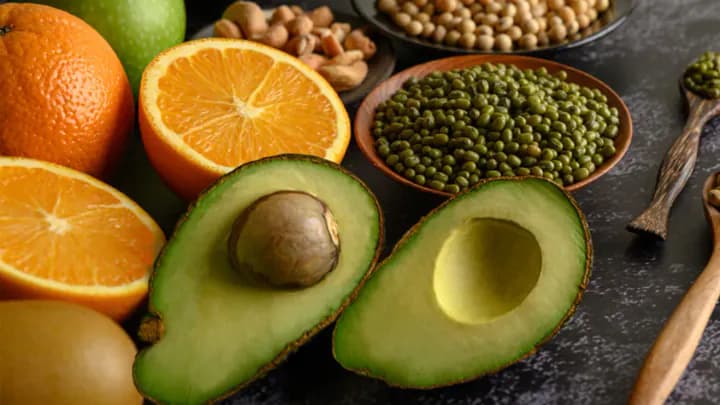
TL;DR: Aim for roughly 25 grams of fiber a day if you're a woman, 38 if you're a man, mostly from beans, oats, berries, vegetables, nuts, and whole grains. Increase by about 5 grams per week with extra water to avoid bloating. Fiber helps weight control by making meals more filling, not by burning anything.
What exactly is dietary fiber, and why does it matter?
Dietary fiber is a group of plant carbohydrates that human digestive enzymes cannot break down, so it travels largely intact to the colon where gut bacteria ferment part of it. That single fact explains nearly everything fiber does: it adds volume without adding absorbed calories, it slows the rate at which sugars enter the bloodstream, and it feeds the microbial population living in your large intestine.
The old split into two categories still holds up as a practical shorthand. Soluble fiber dissolves in water and forms a gel — oats, barley, beans, apples, psyllium. It is the type most associated with steadier blood sugar and modest cholesterol reduction. Insoluble fiber does not dissolve; it adds bulk and speeds transit — wheat bran, vegetable skins, nuts, seeds.
A third distinction matters more than most articles admit: fermentability. Highly fermentable fibers such as inulin and chicory root extract feed bacteria enthusiastically and produce gas doing it. That is why a bar advertising "9g fiber" can leave you uncomfortable while a cup of oatmeal does not. Whole foods deliver a mix; isolated fibers do not.
How much fiber do I need per day in 2026?
The widely used adequate intake figure is about 14 grams of fiber per 1,000 calories consumed, which works out to roughly 25 grams daily for most women and 38 grams for most men. Surveys in the United States consistently find average intake sits somewhere near half of that, which makes fiber one of the few nutrients where nearly everyone has room to improve.
Our editorial take: the gap between 15 and 25 grams is where almost all of the benefit lives. Pushing from 35 to 45 grams delivers diminishing returns and rising discomfort. If you are starting low, pick a target 10 grams above your current intake rather than an aspirational number from a headline.
Does eating more fiber actually help you lose weight?
Yes — indirectly, and the mechanism matters. High-fiber foods take longer to chew, occupy more space in the stomach, and leave it more slowly, so appetite signals arrive before you have eaten as much. People who increase fiber typically eat fewer calories without consciously restricting. Research generally supports higher fiber intake being associated with lower body weight over time.
What fiber does not do is create a metabolic loophole. There is no meaningful calorie-blocking effect, and adding a fiber powder to an otherwise unchanged diet rarely moves the scale. The win comes from swapping: lentil soup instead of the sandwich, a bowl of berries instead of the cookie. Pair that with regular easy aerobic work — our guide to Zone 2 cardio training covers a sustainable approach — and the two reinforce each other.
A decision rule we use: at any meal, ask whether a plant food is doing structural work on the plate, not just decorating it. A handful of spinach under a steak is garnish. A cup of beans in the chili is fiber.
Which foods give the most fiber per serving?
Beans and lentils dominate, followed by seeds, whole grains, and a handful of fruits and vegetables. Approximate values for common portions:
| Food | Serving | Fiber (approx.) | Mostly | Cost per gram of fiber |
|---|---|---|---|---|
| Cooked lentils | 1 cup | 15 g | Both | Very low |
| Black beans | 1 cup | 15 g | Both | Very low |
| Split pea soup | 1 cup | 10–12 g | Soluble | Very low |
| Chia seeds | 2 tbsp | 10 g | Soluble (gel) | Moderate |
| Avocado | 1 medium | 9–10 g | Both | High |
| Raspberries | 1 cup | 8 g | Insoluble | Moderate (frozen: low) |
| Rolled oats, dry | 1/2 cup | 4 g | Soluble (beta-glucan) | Very low |
| Sweet potato with skin | 1 medium | 4 g | Both | Low |
| Air-popped popcorn | 3 cups | 4 g | Insoluble | Very low |
| Apple with skin | 1 medium | 4 g | Soluble (pectin) | Low |
| Broccoli, cooked | 1 cup | 5 g | Insoluble | Low |
| 100% whole wheat bread | 2 slices | 4 g | Insoluble | Low |
Numbers vary by variety and preparation; treat them as planning estimates, not lab values. The pattern is what counts — one cup of beans outperforms an entire day of nibbling on vegetables.
Label rule for bread and cereal: look for at least 3 grams of fiber per serving, and for bread, at least 1 gram of fiber for every 10 grams of total carbohydrate. "Multigrain," "stone ground," and "wheat" mean nothing nutritionally. "100% whole wheat" as the first ingredient does.
How do I add fiber without bloating, gas, and cramps?
Go up by about 5 grams per week, drink more water as you do, and spread the increase across all three meals instead of stacking it into one. Gut bacteria need roughly two to four weeks to adjust their populations to a new substrate supply; the discomfort people blame on fiber is usually the discomfort of doing ten weeks of change in one weekend.
Three practical adjustments that help more than they sound like they should:
- Rinse canned beans thoroughly. A good rinse removes a meaningful portion of the fermentable oligosaccharides that cause gas, at minimal cost to fiber content.
- Cook your vegetables while adapting. Cooked broccoli and carrots are gentler than a raw crudité platter carrying the same fiber load.
- Increase fluid deliberately. Viscous fiber pulls water into the gut. Adding psyllium or chia without adding fluid produces exactly the constipation you were trying to fix.
Fiber and the microbiome are tightly linked, and if you want the broader picture of how diet, sleep, and stress shape digestion together, our practical guide to gut health goes deeper than we can here.
What does a 30-gram fiber day actually look like?
Here is a worked example that lands near 32 grams without any specialty products:
- Breakfast: 1/2 cup rolled oats cooked with 1 tbsp chia and topped with 1/2 cup frozen raspberries — about 13 g.
- Lunch: Leftover lentil and vegetable soup, 1.5 cups, with two slices of 100% whole wheat toast — about 12 g.
- Snack: One medium apple with the skin on — about 4 g.
- Dinner: Roast salmon with a tray of broccoli, peppers, and sweet potato — about 8 g, though portion sizes swing this widely.
That is roughly 37 grams on a generous day and low 30s on a modest one, and note that nothing on the list is exotic. Tray meals are unusually good at this because you can load three vegetables on one sheet without extra work.
The mistake we see most often: people add fiber on top of what they already eat instead of substituting. Bran cereal after the usual breakfast is 300 extra calories, not a healthier breakfast. Replacement beats addition.
Are fiber supplements worth it, and which type should you choose?
They are worth it when food alone is not closing the gap, when travel or illness disrupts your normal eating, or when a clinician has recommended one for cholesterol or stool regularity. They are not a replacement for produce, which carries potassium, magnesium, polyphenols, and water along with the fiber.
| Type | Best for | Gas risk | Notes |
|---|---|---|---|
| Psyllium husk | Regularity, cholesterol, general use | Low to moderate | Strongest overall evidence; needs plenty of water |
| Methylcellulose | Regularity in gas-sensitive people | Very low | Non-fermentable, so no microbiome benefit |
| Inulin / chicory root | Feeding beneficial bacteria | High | Common in "added fiber" bars and yogurts; frequent culprit in bloating |
| Wheat dextrin | Blending into drinks | Low | Dissolves invisibly; modest functional benefit |
One timing note worth taking seriously: viscous fiber can slow the absorption of some medications, including levothyroxine and certain diabetes drugs. A two-hour buffer on either side of a dose is a sensible default, and your pharmacist can confirm for your specific prescriptions.
Does fiber really help cholesterol and heart health?
Soluble fiber — particularly the beta-glucan in oats and barley and the gel from psyllium — binds bile acids in the gut and modestly lowers LDL cholesterol. Diets high in whole grains, legumes, fruits, and vegetables are consistently associated with lower cardiovascular risk in large population studies, though those diets differ in many ways at once, so fiber cannot claim all the credit.
The honest framing: fiber is one contributing factor among several, alongside physical activity, sleep, blood pressure, and smoking status. It is not a treatment. If you have elevated cholesterol, high blood pressure, or a family history of heart disease, discuss dietary changes with a qualified healthcare professional rather than self-managing from an article.
When does a high-fiber diet not apply to you?
This is the section most fiber articles skip. A rapid fiber increase is a bad idea, or requires supervision, in several real situations:
- IBS. Many people with IBS react poorly to high-FODMAP fiber sources such as beans, onions, and inulin, while tolerating oats, kiwi, and psyllium well. The fix is targeted, not generic.
- Active flares of inflammatory bowel disease, diverticulitis, or a known stricture. Clinicians often recommend a temporarily low-fiber diet during a flare, then a gradual return.
- Gastroparesis. Slowed stomach emptying plus bulky fiber is a poor combination.
- Recent bowel surgery. Follow your surgical team's timeline, not general advice.
- Very low appetite or unintentional weight loss. Filling food is a liability when the goal is eating more, not less.
None of this means fiber is risky for the general population. It means "more fiber" is advice, not a rule, and a registered dietitian is the right person to translate it for a specific gut.
How do you eat more fiber on a tight grocery budget?
Fiber is one of the few nutrients where the cheapest sources are also the best sources. Dried lentils, split peas, rolled oats, cabbage, carrots, potatoes, frozen mixed vegetables, and frozen berries all deliver more fiber per dollar than almost anything in the fresh produce aisle's premium section.
- Buy dried beans and oats in bulk; a large bag of lentils covers many meals.
- Swap meat for lentils in one recurring meal a week — chili, bolognese, and shepherd's pie all take the substitution without complaint.
- Use frozen fruit for oatmeal and smoothies; it is picked ripe, costs less, and does not spoil on the counter.
- Make a pot of bean soup on Sunday. It is the single highest-leverage fiber habit we know of.
Fiber also sits alongside the other unglamorous habits that quietly move health markers — consistent bedtimes, daylight exposure, and steady movement. If sleep is the weak link in your week, our practical sleep hygiene reset pairs well with a dietary overhaul, since appetite regulation degrades fast on short sleep.
Key takeaways
- Target roughly 25 g of fiber daily for women and 38 g for men; moving from 15 g to 25 g captures most of the benefit.
- Beans and lentils are the highest-leverage food on the list — one cup supplies about 15 g, more than most people manage all day.
- Increase by about 5 g per week with extra fluid, and rinse canned beans to cut the gas-producing compounds.
- Substitute rather than add; fiber helps weight control by displacing calorie-dense food, not by neutralizing it.
- Whole foods beat isolated fibers like inulin, which cause most of the bloating people blame on "eating healthy."
- IBS, active gut disease, gastroparesis, and recent bowel surgery all change the advice — talk to a qualified professional before overhauling your diet.
Frequently asked questions
How much fiber should I eat per day?
A common target is about 25 grams a day for women and 38 grams for men, which comes from a general guideline of roughly 14 grams of fiber per 1,000 calories eaten. If you currently eat 15 grams, getting to 25 is a bigger win than chasing 40.
How long does it take to stop feeling bloated when you increase fiber?
Most people adapt within two to four weeks as gut bacteria adjust to the new fuel supply. Increasing by about 5 grams per week, drinking more water, and spreading fiber across meals rather than loading it into one sitting all shorten that adjustment period.
Does fiber actually help with weight loss?
Fiber does not burn fat, but it reliably helps people eat fewer calories without feeling deprived, because high-fiber foods are bulky, chewy, and slow to leave the stomach. The weight effect comes from that appetite change, not from the fiber itself.
Are fiber supplements as good as food?
No, but they are useful. Psyllium husk has the strongest evidence for cholesterol and stool regularity, while whole foods deliver fiber alongside potassium, magnesium, polyphenols, and protein that a powder cannot replicate. Use supplements to close a gap, not to replace produce.
Can a high-fiber diet make digestive problems worse?
Yes, in some cases. People with IBS, active inflammatory bowel disease, a recent bowel surgery, gastroparesis, or a stricture may react badly to a rapid fiber increase, and some need the opposite approach for a period. Anyone in those categories should work with a qualified clinician or registered dietitian.
Does fiber interfere with medication or mineral absorption?
Viscous fiber and fiber supplements can slow absorption of some medications, including levothyroxine and certain diabetes drugs, so a two-hour gap on either side is a sensible default. Mineral absorption is rarely a practical concern on a varied diet.
What is the cheapest way to eat more fiber?
Dried lentils, split peas, black beans, rolled oats, frozen mixed vegetables, frozen berries, and whole wheat flour are among the lowest cost per gram of fiber in any supermarket. A cup of cooked lentils supplies around 15 grams for a few cents.
Should children follow a high-fiber diet too?
Children need fiber but in smaller amounts, and very high-fiber, low-calorie meals can crowd out the energy a growing child needs. Aim for fruit, vegetables, beans, and whole grains at most meals rather than targeting an adult gram number, and ask a pediatrician about specific concerns.