8 Superfoods for Immunity: What Actually Helps in 2026
Food will not make you immune to colds, but a handful of everyday ingredients genuinely support the systems your immune cells depend on. Here are eight worth buying, how much to eat, who should skip them, and the mistakes that waste the effort.
Rewritten with AI and republished automatically. Our editors set the standards and fix reported errors — how we work.
TL;DR: No food prevents infection. But eight everyday ingredients — blueberries, garlic, spinach, citrus, ginger, almonds, oily fish, and green tea — supply the vitamins, minerals, fats, and fiber your immune cells actually run on. Eat them across a week, not all in one day, and fix sleep first.
What is a "superfood for immunity," and is the term even accurate?
A superfood for immunity is a whole food that is unusually dense in the specific nutrients immune cells depend on — vitamins A, C, D, and E, zinc, selenium, omega-3 fats, and fermentable fiber. That is the honest definition. "Superfood" itself is a marketing word with no regulatory meaning, and nothing on this list has been shown to make a person resistant to infection.
What the science does support is narrower and more useful: a deficiency in any of those nutrients measurably impairs immune function, and correcting the deficiency restores it. Beyond sufficiency, more is rarely better. That single idea should reshape how you shop. You are topping up a system, not supercharging it.
Treat this as a maintenance question, the same way you would treat brushing your teeth. This article is general information, not medical advice — if you have a diagnosed condition, take prescription medication, or are pregnant, talk to a qualified professional before making significant dietary changes.
Which 8 foods actually earn a place on the list?
These eight were chosen because each delivers a nutrient that immune function genuinely depends on, is available year-round, and is cheap enough to eat repeatedly. Exotic powders did not make the cut.
1. Blueberries — anthocyanins and polyphenols
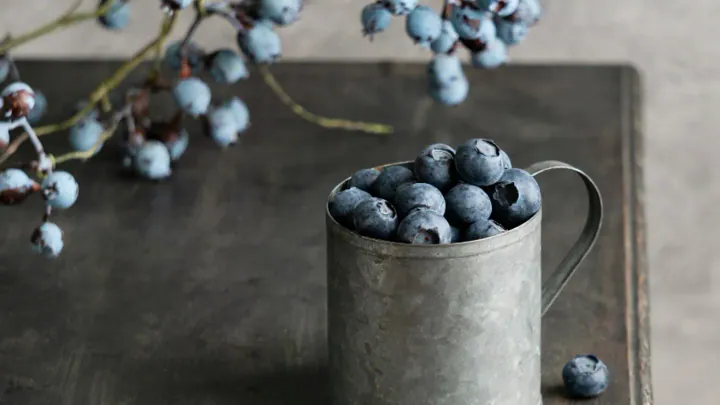
Blueberries are dense in anthocyanins, the pigment class that gives them their color and acts as an antioxidant in the body. Frozen wild blueberries are often more pigment-dense than large fresh cultivated berries and cost less. Half a cup in oatmeal or yogurt is a realistic serving.
2. Garlic — allicin, if you handle it right
Garlic's active compound, allicin, does not exist in the intact clove. It forms when the cell walls rupture and an enzyme meets its substrate. Crush or finely chop the clove and let it sit for about ten minutes before it hits heat or acid. Throwing whole cloves into a hot pan gives you flavor and very little else.
3. Spinach — folate, vitamin K, beta-carotene, iron
Spinach carries folate and beta-carotene, both relevant to the production and function of immune cells. Beta-carotene is fat-soluble, so a drizzle of olive oil roughly doubles what you absorb. The plant iron in spinach is poorly absorbed on its own; pair it with a vitamin C source such as lemon or bell pepper.
4. Citrus fruits — vitamin C in its native packaging
One medium orange covers a typical adult's daily vitamin C requirement several times over. Vitamin C is water-soluble and not stored well, which is why a steady daily intake matters more than a large occasional dose. Research generally suggests that routine vitamin C does not prevent colds in the average person, though it may modestly shorten how long one lasts.
5. Ginger — gingerols and gut comfort
Ginger's gingerols have anti-inflammatory activity and a long, well-documented record for nausea. Its practical value during illness is comfort: a warm ginger and lemon infusion encourages fluid intake when you do not feel like drinking, and hydration matters more during a fever than most people realize.
6. Almonds — vitamin E
Vitamin E is a fat-soluble antioxidant that protects cell membranes, including those of immune cells, and it is one of the nutrients people most commonly fall short on without noticing. A small handful of almonds — about 23 nuts — delivers a large share of a day's requirement. Sunflower seeds are the cheaper substitute and are just as rich.
7. Oily fish — omega-3 fats and vitamin D
Salmon, mackerel, sardines, and herring supply EPA and DHA, which your body converts into molecules that help resolve inflammation rather than merely suppress it. They are also among the few meaningful food sources of vitamin D, which has a well-established role in immune signaling. Canned sardines cost a fraction of fresh salmon and include the soft bones, adding calcium.
8. Green tea — EGCG and a caffeine floor
Green tea is minimally oxidized, so it retains catechins including EGCG. The drinkable amounts in two or three cups a day are safe for most adults. Concentrated green tea extract supplements are a different story and have been linked to rare liver injury — a clean example of why the food and the pill are not interchangeable.
How much of each should I actually eat per week?
Aim for weekly coverage, not daily perfection. The table below gives realistic targets that a normal household can hit without meal-prep theater.
| Food | Key nutrient | Practical target | Cheapest form |
|---|---|---|---|
| Blueberries | Anthocyanins | ½ cup, 4–5 days | Frozen wild |
| Garlic | Allicin | 1–2 cloves most days | Whole bulbs |
| Spinach | Folate, beta-carotene | 1–2 cups, 4+ days | Frozen chopped |
| Citrus | Vitamin C | 1 piece daily | Bagged oranges |
| Ginger | Gingerols | To taste, 3+ days | Fresh root, frozen |
| Almonds | Vitamin E | 1 oz, 4–5 days | Bulk raw, or sunflower seeds |
| Oily fish | Omega-3, vitamin D | 2 servings weekly | Canned sardines |
| Green tea | EGCG | 2–3 cups daily | Loose leaf |
If you hit six of those eight rows in a given week, you are comfortably ahead of the average diet. There is no bonus for eight out of eight.
What is the most expensive mistake people make here?
Spending money on immunity foods while sleeping six hours a night. Sleep restriction has a far more direct and better-documented effect on immune response than any berry, and no grocery list compensates for it. If you are choosing where to put your effort, fix sleep first — our guide to recovering from sleep debt and the companion sleep hygiene reset are the higher-yield read.
The second mistake is the supplement escalation. Someone reads that zinc supports immunity, buys a high-dose zinc supplement, takes it daily for months, and quietly induces a copper deficiency. High-dose zinc competes with copper absorption, and sustained megadosing is a real risk, not a theoretical one. Short courses of zinc lozenges at the first sign of a cold have mixed but not unreasonable evidence behind them; months of high-dose tablets do not.
The third is buying the extract instead of the food. Whole garlic is safe at culinary doses. Concentrated garlic, ginger, and fish oil supplements can add to the effect of blood thinners. Green tea as a drink is fine; green tea extract capsules have a documented liver-injury signal. The food came with built-in dose limits — that is a feature.
Who should not follow this advice as written?
Several groups need to adapt it, and generic articles never say so.
- Anyone on warfarin. Spinach and other leafy greens are rich in vitamin K, which affects warfarin's action. The goal is not avoidance but consistency — sudden large increases are the problem. Coordinate with the clinic managing your INR.
- Anyone taking medications metabolized by CYP3A4. Grapefruit and grapefruit juice inhibit this enzyme and can raise blood levels of certain statins, calcium channel blockers, and immunosuppressants. Oranges and lemons do not share this effect, so swap the citrus rather than dropping it.
- People with a history of calcium-oxalate kidney stones. Spinach is high in oxalate. Other greens — kale, arugula, bok choy — cover similar nutrients with far less.
- People taking immunosuppressant therapy. "Boosting" is the wrong frame entirely; your treatment plan governs. Ask your specialist before adding concentrated botanicals of any kind.
- Pregnancy. Fish choice matters because of mercury. Salmon and sardines are low-mercury options; king mackerel and swordfish are not.
What does a realistic week look like?
Here is a worked example that requires no special shopping and roughly 20 minutes of daily cooking.
- Breakfast, most days: oats with frozen blueberries and a tablespoon of chopped almonds. Covers anthocyanins, vitamin E, and fiber in one bowl.
- Mid-morning: an orange or clementine instead of a snack bar. Vitamin C, fiber, water.
- Lunch: canned sardines or salmon on toast with lemon and a handful of spinach. Two of these a week meets the oily-fish target.
- Dinner, twice a week: a tray of chicken or tofu, garlic, ginger, and vegetables.
- Afternoon: green tea replacing the second coffee, which also protects your sleep window.
Notice what this plan does not require: a blender, a subscription, or a powder. That is the point.
What matters more than food for immune health?
Four things, roughly in order. Sleep is first and not close. Vaccination against the infections relevant to your age and health status is the single most direct intervention available, and no food substitutes for it. Regular moderate exercise comes third — sustained easy aerobic work, the kind described in our Zone 2 cardio guide, supports immune surveillance without the transient suppression that follows very hard sessions. Chronic stress management is fourth, because prolonged elevated cortisol dampens immune response.
Two supporting habits deserve mention. Roughly 70% of immune tissue sits in and around the gut, so fermentable fiber and fermented foods are doing quiet, real work — our practical gut health guide covers that properly. And getting ten minutes of morning sunlight anchors the circadian rhythm that governs sleep quality, which loops back to item one.
If you are considering a supplement to fill a genuine gap rather than to chase a boost, read about dose and safety before you buy — our breakdown of magnesium glycinate is a useful model for how to evaluate any of them. And if illness has already started, calories and fluids beat optimization: eat what you can keep down.
Key takeaways
- No food prevents infection. These eight support a system that works best when it is not short of anything — sufficiency, not excess, is the goal.
- Crush garlic and wait ten minutes; add oil to spinach; pair plant iron with vitamin C. Preparation changes what you actually absorb.
- Frozen berries, frozen spinach, and canned sardines deliver most of the benefit at a fraction of the price.
- The whole food is safer than the concentrated extract — especially for green tea, garlic, and fish oil.
- Check interactions if you take warfarin or any drug affected by grapefruit, and adapt the list if you have a history of oxalate kidney stones.
- Sleep, vaccination, movement, and stress beat groceries. Fix those first; then shop.
Frequently asked questions
Can superfoods for immunity stop me from getting sick?
No. No food prevents infection. A nutrient-sufficient diet helps your immune system function as designed, which can mean fewer complications and better recovery, but exposure, sleep, stress, age, and vaccination status matter more than any single ingredient.Treat food as maintenance, not armor.
Is it better to eat these foods or take a supplement?
Food first for most people, because whole foods deliver fiber, fat-soluble carriers, and mixed antioxidants together in amounts that are hard to overdose. Supplements make sense for a documented deficiency, restricted diets, pregnancy, or when a clinician recommends them. Concentrated botanical extracts carry more risk than the food they came from.
How long before I notice a difference?
If you were genuinely low in a nutrient like vitamin D, iron, or zinc, correcting it can change how you feel within weeks. If you were already well-nourished, adding blueberries will not produce a noticeable change, and that is not a failure. The benefit is maintenance over years, not a felt effect.
Does cooking destroy the immune benefits of garlic and spinach?
Partly, and it depends on the compound. Crush or chop garlic and let it stand about ten minutes before heating so allicin can form. Spinach loses vitamin C with long cooking but releases more beta-carotene and lutein when heated with a little fat, so eating it both raw and cooked across the week is the sensible answer.
Which of these foods interact with medications?
Grapefruit affects the enzyme that clears many drugs, including some statins and blood pressure medications. Leafy greens high in vitamin K matter for people on warfarin. Concentrated garlic, ginger, and fish oil supplements can add to blood-thinning effects. The whole foods are far lower risk than the extracts, but check with your pharmacist.
Is there a cheaper version of this list?
Yes. Frozen berries, frozen spinach, canned sardines or salmon, dried beans, garlic, ginger, and loose-leaf green tea cover most of the same nutrients for a fraction of the cost of fresh premium produce. Frozen produce is picked and frozen quickly, so its nutrient content is generally comparable to fresh.
Do I need to eat all eight foods every day?
No, and trying to is the fastest way to quit. Aim for coverage across a week: oily fish twice, a citrus or vitamin C source most days, greens most days, nuts a few times, and garlic, ginger, and tea whenever they fit the meal. Consistency across seven days beats perfection on one.