Hydrating Foods That Actually Beat the Summer Heat
Water-rich foods can supply a meaningful share of your daily fluid, but only if you pick the right ones and pair them with sodium when you sweat. Here is what each serving actually delivers, plus the edge cases most summer food lists skip.
Rewritten with AI and republished automatically. Our editors set the standards and fix reported errors — how we work.
TL;DR: Water-rich foods can cover roughly a fifth to a third of your daily fluid, and they bring potassium, fiber and vitamins that plain water does not. The highest performers by serving are coconut water, watermelon, cucumber, yogurt, tomato and cold soups. In real heat, add sodium too, not just fluid.
What counts as a hydrating food, and how much water does it actually provide?
A hydrating food is any food whose water content by weight is high enough that eating a normal portion delivers a measurable volume of fluid, generally anything above about 85% water. Most fruits, most non-starchy vegetables, plain yogurt, broth-based soups and coconut water qualify. Bread, cheese, nuts and crackers do not.
The useful mental model is simple: a food that is 92% water and weighs 150 grams hands you about 138 milliliters of fluid, a little over half a cup. Do that four or five times across a day and you have added close to a liter without drinking anything. Dietary guidance generally treats food as supplying a fifth to a third of total water intake, which is why a produce-heavy summer diet quietly makes hydration easier.
The second, less obvious benefit is that these foods arrive with potassium, and often with small amounts of natural sugars that help the gut absorb water. That combination is closer to what your body does with an oral rehydration solution than a glass of tap water is.
Which foods have the highest water content per serving?
Cucumber, celery, iceberg lettuce and coconut water sit at the top by percentage, around 95% water. But percentage alone misleads, because leafy greens weigh almost nothing. Ranked by fluid delivered per realistic serving, coconut water, plain yogurt, watermelon and tomato do the heavy lifting.
| Food | Water by weight | Typical serving | Approx. fluid per serving | What else it brings |
|---|---|---|---|---|
| Coconut water | ~95% | 1 cup (240 g) | ~230 ml | Potassium, magnesium, some natural sugar |
| Plain yogurt | ~85% | 1 cup (245 g) | ~205 ml | Protein, calcium, live cultures |
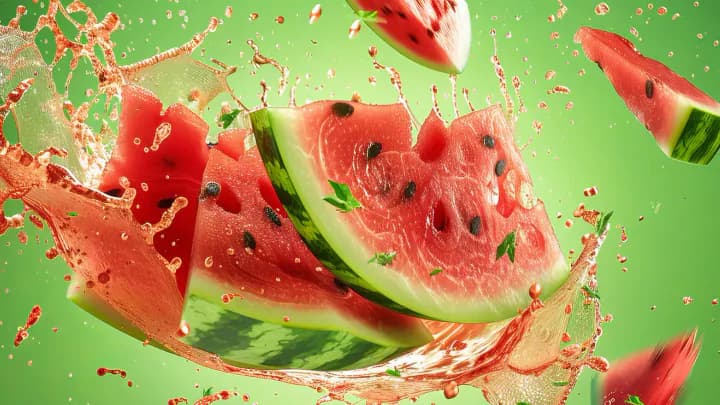
| Watermelon | ~92% | 1 cup diced (152 g) | ~140 ml | Lycopene, vitamin C, citrulline |
| Strawberries | ~91% | 1 cup halved (152 g) | ~138 ml | Vitamin C, fiber, polyphenols |
| Peach | ~89% | 1 medium (150 g) | ~133 ml | Potassium, vitamin A precursors |
| Tomato | ~94% | 1 medium (123 g) | ~115 ml | Lycopene, potassium, vitamin C |
| Orange | ~87% | 1 medium (131 g) | ~114 ml | Vitamin C, folate, potassium |
| Cucumber | ~95% | 1 cup sliced (104 g) | ~99 ml | Vitamin K, very low calorie |
| Romaine or iceberg lettuce | ~95% | 2 cups shredded (72 g) | ~68 ml | Folate, vitamin K |
Values are rounded averages from standard food composition data; ripeness, variety and storage all shift them a little. Cantaloupe, bell pepper, zucchini, celery and broth-based soups belong in the same tier if you want to widen the rotation.
Do you still need to drink water if you eat a lot of fruit and vegetables?
Yes. Even an unusually produce-heavy day rarely pushes food's contribution past a third of total needs, and hot weather raises the target. Treat water-rich foods as a buffer that makes ordinary drinking more forgiving, not as a substitute for it.
The practical rule: drink to thirst across the day, then check urine color once or twice. Pale straw is fine. Consistently dark output, a dull afternoon headache, or thirst that never quite resolves means the buffer is not big enough. Note that riboflavin supplements and some medications turn urine bright yellow regardless of hydration, so color is one signal among several.
What about electrolytes — is coconut water really nature's sports drink?
Coconut water is genuinely high in potassium and mildly useful after sweating, but it is low in sodium, and sodium is the electrolyte you lose most in sweat. For anything beyond an hour of hard heat exposure, coconut water alone is an incomplete answer.
This is the part most summer food lists get wrong. If you sweat heavily for hours and replace the loss with plain water plus watermelon and cucumber — all very low in sodium — you can dilute blood sodium rather than restore it. The result, hyponatremia, looks deceptively like dehydration: headache, nausea, confusion. It is uncommon in casual settings and real in endurance sport, construction, kitchen work and long hikes.
The fix is unglamorous. Add salt to the food you are already eating: a salted tomato, a cup of miso or chicken broth, olives, tzatziki, salted edamame. A sports drink is fine too. The decision rule: under an hour of sweating, water and fruit are plenty; over an hour, or if your shirt dries with white salt rings, include sodium deliberately.
How do you build a day of meals that actually hydrates?
Anchor one water-rich item to every eating occasion and the numbers add up fast without any effort. Here is a worked example that lands near a liter of fluid from food alone.
- Breakfast: 1 cup plain yogurt with 1 cup strawberries — about 345 ml. If you need it to carry you longer, borrow the protein ratios from our high-protein breakfast ideas for busy mornings and add seeds or eggs alongside.
- Lunch: a big salad with 2 cups romaine, a sliced cucumber and 2 tomatoes — roughly 350 ml, plus a salty feta or olive component for sodium.
- Afternoon: 2 cups diced watermelon — about 280 ml.
- Dinner: a sheet-pan tray of zucchini, peppers and tomatoes alongside protein adds another 150 to 200 ml. Our guide to fast, balanced sheet-pan dinners covers the vegetable timings so nothing turns to leather.
That is well over a liter from food, before a single glass of water. It also means the days you forget to drink are less punishing.
One caveat worth naming: roasting and grilling drive water out. A tray of roasted zucchini delivers noticeably less fluid than the same zucchini raw in a salad. In peak heat, weight your rotation toward raw preparations, chilled soups like gazpacho, and quick-cooked dishes where the liquid stays in the bowl.
What are the most common hot-weather hydration mistakes?
The costly ones are not about drinking too little. They are about replacing fluid without electrolytes, overcorrecting fiber overnight, and assuming coffee cancels itself out.
- Treating all fluid as interchangeable. Covered above: sodium matters once sweating is sustained.
- Tripling raw produce in a single day. Going from two servings to eight overnight is a large fiber jump. Bloating and cramping follow, and people then blame the heat. Ramp over a week.
- Assuming coffee and iced tea do not count. At ordinary intakes they produce a net fluid gain, and research generally finds no meaningful dehydrating effect. Alcohol is the genuine exception — it increases fluid loss, which is why a hot afternoon of beer leaves you worse off than you started.
- Relying on thirst during long outdoor work. Thirst lags behind loss, and it blunts with age. Schedule intake rather than waiting for the signal.
- Confusing juice with whole fruit. A glass of juice hydrates, but it strips the fiber and arrives as a fast sugar load. Whole fruit is the better default for most people, most of the time.
Who should not load up on water-rich foods?
Three groups need a different plan. Anyone on a medically prescribed fluid restriction — common in advanced heart failure and some kidney disease — should not increase high-water foods without clinician input, because those foods count toward the daily limit.
People advised to limit potassium face a related problem: coconut water, melon, tomato, orange and potato are all potassium-dense, and "healthy summer eating" advice can push intake in exactly the wrong direction. Finally, anyone managing IBS may find watermelon, peach and large servings of fruit poorly tolerated for reasons unrelated to hydration.
None of this is medical advice. If you take diuretics, blood pressure medication, or manage a kidney or heart condition, run hydration changes past a qualified professional before you rebuild your summer plate.
How do you keep summer produce from rotting before you eat it?
Buy less, cut more, and freeze deliberately. The single biggest reason people abandon a produce-heavy summer plan is that a whole watermelon intimidates the fridge and then spoils.
- Cut melon and cucumber the day you buy them and store in sealed containers at eye level. Prepped produce gets eaten; whole produce gets postponed.
- Freeze grapes, melon cubes, mango and banana coins in a single layer, then bag them. They become a hydrating snack that also cools you from the inside.
- Keep tomatoes on the counter, not the fridge — cold flattens their flavor and texture.
- Blend anything about to turn into gazpacho or a smoothie rather than discarding it.
Hydration is also downstream of sleep and routine. If you are dragging through August afternoons despite drinking plenty, the problem may be accumulated rest debt rather than fluid. A steady morning sunlight habit helps anchor the same rhythm.
Key takeaways
- Food realistically supplies a fifth to a third of daily fluid; it supports drinking rather than replacing it.
- Rank by fluid per serving, not by percentage — coconut water, yogurt, watermelon and tomato beat lettuce despite similar water content.
- Once you sweat for more than an hour, add sodium deliberately; potassium-only replacement is the mistake that matters.
- Raw and chilled preparations retain more water than roasted or grilled ones.
- Fluid restriction, potassium limits and IBS are genuine exceptions — check with a qualified professional before overhauling your plate.
- Prep produce the day you buy it, or it will spoil and the habit will collapse with it.
Frequently asked questions
How much of my daily water can come from food?
Food typically supplies roughly a fifth to a third of total daily water intake for people eating a normal mixed diet, and more if that diet is heavy on fruit, vegetables, yogurt and soup. It is a meaningful contribution, but it does not replace drinking.
Which food has the highest water content?
Cucumber, iceberg lettuce, celery and coconut water all sit around 95% water by weight, edging out watermelon at about 92%. By the serving, though, a cup of coconut water or diced watermelon delivers far more fluid than a cup of shredded lettuce, because lettuce weighs so little.
Is coconut water better than plain water for rehydration?
Coconut water is not better for everyday hydration, but it is useful after heavy sweating because it supplies potassium. Its weakness is sodium, which is the electrolyte you lose most in sweat, so pair it with a salty food after long sessions in the heat.
Can you drink too much water in hot weather?
Yes. Drinking large volumes of plain water while sweating heavily for hours can dilute blood sodium, a condition called hyponatremia, which causes headache, nausea and confusion. Endurance athletes and outdoor workers should include sodium, not just fluid.
Do coffee and iced tea count toward hydration?
Yes, for most people. At typical intakes, caffeinated drinks still produce a net fluid gain, and research generally finds no meaningful dehydrating effect at moderate doses. Very large amounts, or alcohol, are a different story.
Does eating watermelon and cucumber help your skin in summer?
Adequate hydration supports normal skin function, but eating water-rich foods will not visibly transform skin on its own. Sun protection, sleep and overall diet matter far more, and persistent skin problems should be discussed with a qualified professional.
Who should be careful with water-rich foods?
Anyone on a medically prescribed fluid restriction, such as for advanced heart or kidney disease, and people told to limit potassium should not load up on high-water, high-potassium foods like coconut water, melon and tomato without clearing it with their clinician first.
What is the simplest daily check for hydration?
Pale straw colored urine several times a day, with no persistent thirst, headache or dark output, is a reasonable everyday signal. Color can be skewed by B vitamins and some medications, so treat it as one data point rather than a verdict.