Culinary Travel in 2026: How to Plan Food Trips Worth Taking
Culinary travel turns a trip into an education. Here is how to plan food-first travel: choosing street stalls that turn over fast, booking windows for restaurants and classes, realistic daily budgets, and the mistakes that waste a good appetite.
Rewritten with AI and republished automatically. Our editors set the standards and fix reported errors — how we work.
TL;DR: Culinary travel works when you plan one anchor food experience per day and leave the rest of your appetite unbooked. Choose street stalls with fast turnover, book cooking classes one to three weeks out and starred restaurants a month or more, and take your food tour on day one, not day five.
Culinary travel is a way of traveling in which food choices drive the itinerary rather than decorate it, so that meals, markets, producers, and food traditions become the primary reason to be in a place. That is a different activity from eating well on a vacation you planned for other reasons, and it rewards a different kind of preparation.
The original promise of this article stands: the table is where you meet a culture. What follows is the practical version of that idea — the booking windows, the decision rules, and the mistakes to avoid.
What is culinary travel, and how is it different from just eating on vacation?
Culinary travel means the food comes first in the planning order: you pick the season, the city, and the neighborhood because of what is being cooked there. A regular trip asks "where should we eat tonight?" A food trip asks "what is in season, who makes it best, and what day are they closed?"
The distinction matters because it changes your logistics. Food-first travelers arrive in markets before 9 a.m., build days around a single reservation, and accept that a two-hour bus ride to a village bakery is the point rather than an inconvenience.
It also broadens what counts as an experience. A cheese aging cave, a soy sauce brewery, a fishing port auction, and a grandmother's kitchen are all food destinations. So is a supermarket — one of the fastest ways to understand a country's everyday diet is to walk the aisles of a chain grocery store for twenty minutes.
How do you choose street food that is safe to eat?
Pick the stall with the longest line of local customers, food cooked to order in front of you, and visible high turnover. Heat kills most of what worries travelers; time and lukewarm holding are the real risks. A wok that never cools is safer than a buffet tray that has been sitting since breakfast.
Our working checklist:
- Turnover beats appearance. A battered cart serving 200 people an hour is a better bet than a spotless stall with no customers.
- Watch the handling. Separate hands or tools for money and food is a good sign. One pair of hands doing both is a small red flag.
- Be cautious with the garnish, not the main. Raw herbs, sliced fruit, and untreated ice carry more risk than the grilled protein they accompany, in places where tap water isn't potable.
- Eat early in the service. Street vendors cook in batches. The first batch of the lunch rush is usually the best and the freshest.
None of this is medical advice. Talk to a qualified travel health professional about vaccinations, rehydration salts, and any medication you should carry before you go, particularly if you have a compromised immune system or are traveling with young children.
Which type of food experience should you actually book?
Match the experience to what you want to walk away with. A tour gives you orientation, a class gives you a transferable skill, a home dinner gives you conversation, and a tasting menu gives you a memory of someone else's imagination. Most trips need one of each — not one of each per day.
| Experience | Typical booking lead time | Relative cost | Best for | Main weakness |
|---|---|---|---|---|
| Street food and markets | None | Lowest | Volume, variety, daily food culture | Language barrier at the point of ordering |
| Guided food tour | 3–7 days | Low to moderate | Orientation on day one | Portions are samples; itineraries can be commercial |
| Cooking class | 1–3 weeks | Moderate | A skill you take home | Quality varies wildly; read recent reviews |
| Home dining with a host | 1–3 weeks | Moderate | Conversation and regional home cooking | Dependent on one host's personality |
| Fine dining / tasting menu | 30–60+ days | Highest | Technique, seasonality, once-a-trip occasion | Cost, dress codes, no-show deposits |
A note on value: Michelin's Bib Gourmand designation marks good food at moderate prices and is often the most useful part of the guide for travelers. In Singapore, hawker stalls have appeared in the guide — proof that price and quality are not the same axis.
How much should you budget for a food-first day?
Plan one anchor experience per day plus two casual meals, and your food budget becomes predictable instead of alarming. The anchor is the class, the tour, or the reservation. Everything else is a market breakfast, a bakery stop, or a bowl of something from a stall.
Worked example — three days, one mid-priced city:
- Day 1: Morning food tour (anchor). Afternoon and evening: whatever the guide pointed at. Cheap.
- Day 2: Hands-on cooking class that includes a market walk (anchor). Lunch is what you cooked. Light dinner.
- Day 3: The one reservation you booked six weeks ago (anchor). Skip or shrink lunch deliberately.
Three anchors, three days, and no day where you spend heavily twice. If you are saving toward a trip like this across months, a category-by-category savings approach works better than a single lump sum. That is general planning guidance, not financial advice.
What mistakes ruin a food trip?
The expensive mistakes are almost always scheduling mistakes, not taste mistakes. Here are four of the most common.
Booking the food tour last
A tour is reconnaissance. It teaches you how to order, what a fair price looks like, and which three streets deserve a return visit. Book it for your first full day and the rest of the trip compounds. Book it for your last day and the information dies with the trip.
Ignoring closure seasons and observances
Plenty of independent kitchens across Europe close for weeks in August. Many family-run restaurants close two days a week, not one, and the second day is rarely advertised in English. During Ramadan, daytime restaurant service is restricted in many Muslim-majority countries while evening food culture becomes extraordinary — that is a reason to plan around it, not avoid it.
Over-reserving
Three booked meals a day removes the one thing food travel runs on: the ability to follow a smell down an alley. Leave at least one meal per day completely unplanned.
Assuming a translation app handles allergies
Culinary vocabulary is exactly where machine translation fails — regional dialect, ingredient nicknames, and hidden sources like fish sauce, sesame paste, or shared fryer oil. Carry a printed card in the local language, checked by a native speaker, that names the ingredient and its common hiding places. For severe allergies, plan the trip with your allergist first.
Which food festivals are worth building a trip around?
Festivals are the highest-density cultural food experience available, but only two or three per year are worth restructuring an itinerary for. Check what the festival actually is before you book flights — some are feasts, some are spectacles, and the difference is significant.
- Oktoberfest, Munich: mostly runs in late September into early October, despite the name. Tent tables are reserved months out.
- La Tomatina, Buñol, Spain: held on the last Wednesday of August. Worth knowing: it is a tomato fight, not a meal. Bring goggles and clothes you will throw away.
- Hanami season, Japan: cherry blossom viewing brings seasonal sweets like sakura mochi, and the bloom window moves by a week or more year to year. Book flexible accommodation.
- Harvest festivals generally: grape, olive, chestnut, and truffle events across the Mediterranean tend to be smaller, cheaper, and far more food-focused than the famous ones.
What about drinks, and do you have to drink alcohol?
Beverages carry as much cultural weight as food, and almost every great drinking tradition has a non-alcoholic equivalent worth seeking out. Turkish coffee, Argentine mate, Japanese matcha, Moroccan mint tea, and Mexican agua fresca are all complete experiences in their own right.
If you do drink, the ritual usually matters more than the product. Mate is passed in a specific order; a Bordeaux tasting room expects you to spit at a daytime tasting; an Italian espresso is consumed standing at the bar in ninety seconds. Getting the ritual right opens more doors than ordering the expensive bottle.
How do you actually bring the trip home?
Bring back techniques and pantry items, not souvenirs. A jar of spice paste and a photograph of how the cook held the knife will change more weeknight dinners than a cookbook you never open.
- Photograph the process, not the plate. Shoot the hands, the pan, and the heat level. That is the information you will need in your own kitchen.
- Pack flat, shelf-stable flavor. Dried chilies, spice blends, vacuum-sealed tea, and cured seasonings survive luggage and customs more reliably than fresh or liquid goods. Check your country's import rules before buying meat, dairy, or produce.
- Rebuild one dish within two weeks. Memory for technique fades fast. Slot it into a format you already cook — our sheet-pan dinner framework and one-pan pasta method both absorb new spice profiles well on a Tuesday night.
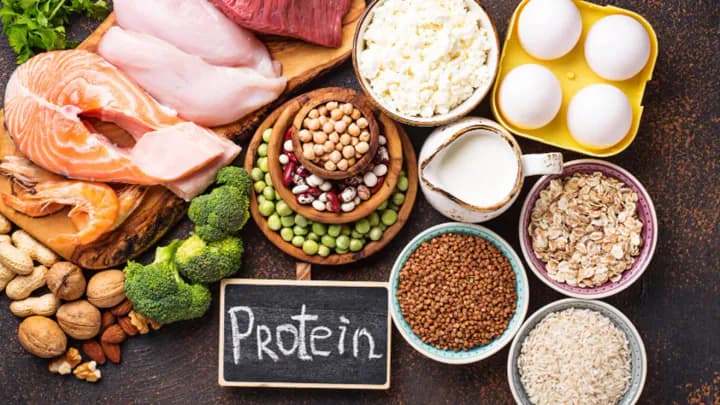
- Translate breakfast too. The morning meal is the easiest habit to change after a trip; if you want it to hold, anchor it with high-protein breakfast ideas rather than pastries alone.
One more practical note for long-haul food trips: your appetite runs on your body clock. Getting outdoor light early on arrival day helps you eat on local time rather than at 3 a.m. Pack light too — a tight capsule wardrobe leaves room in the bag for the pantry haul on the way back.
When does none of this apply?
If you are traveling with a medically restricted diet, a very young child, or on a work schedule you don't control, the anchor-per-day model breaks down. In those cases, invert the plan: secure the one meal that must work — the safe, verified, allergen-managed restaurant or the self-catering apartment with a kitchen — and treat everything else as optional discovery. A trip where you eat three reliable meals and one extraordinary one is better than a trip where you eat four anxious ones.
Key takeaways
- Book one anchor food experience per day and leave at least one meal unplanned.
- Take the guided food tour on day one — it is orientation, not a finale.
- Street food risk comes from lukewarm holding and raw garnishes, not from cooking outdoors; choose high-turnover stalls cooking to order.
- Reservation windows differ sharply: 30–60 days for starred dining, 1–3 weeks for classes and home dinners, none for markets.
- Carry a printed allergy card in the local language; translation apps fail on culinary vocabulary.
- Bring home techniques and shelf-stable flavor, then cook one dish within two weeks while the memory is sharp.
Frequently asked questions
Is street food safe to eat when traveling?
Street food is generally safe when you choose stalls with high turnover, food cooked to order in front of you, and a visible line of local customers. Risk comes from food held lukewarm for hours, not from street cooking itself. Avoid raw garnishes and untreated ice in places where tap water isn't potable, and speak with a qualified travel health professional before your trip about vaccines and medication.
How far in advance should I book restaurants when traveling?
Book high-demand fine dining 30 to 60 days out, the moment the reservation window opens, and cooking classes or home dining experiences one to three weeks ahead. Neighborhood restaurants and street stalls usually need no booking at all. In Japan, many top counters only accept reservations through a hotel concierge or an existing guest's introduction.
What does a food-focused trip cost per day?
A comfortable food-first day typically runs the cost of one anchor experience plus two casual meals. Street food and market breakfasts often cost a few dollars each, guided food tours land in the mid double digits per person, cooking classes run higher, and a tasting menu at a starred restaurant can exceed the rest of the day combined. Budget one anchor per day, not three.
Is a food tour worth the money?
Yes, if you book it on your first full day rather than your last. A good tour is reconnaissance: it teaches you the local ordering vocabulary, which neighborhoods to return to, and what a fair price looks like. Taken at the end of a trip, that intelligence has nowhere to go.
How do I handle food allergies in a language I don't speak?
Carry a printed allergy card in the local language, written or checked by a native speaker, that names the specific ingredient and common hidden sources of it. Translation apps mishandle culinary terms and regional dialect, and a phone battery dies at the worst moment. For severe allergies, discuss travel plans with your allergist first.
What is a Michelin Bib Gourmand?
A Bib Gourmand is Michelin's designation for restaurants offering good quality food at moderate prices, distinct from the star ratings. For travelers, the Bib list is often the highest-value section of the guide, and in cities like Singapore it has included hawker stalls that cost a fraction of a restaurant meal.
When is the worst time to plan a food trip somewhere?
Avoid a destination's annual closure season and major religious observances unless you understand how they change dining. Many European kitchens close for several weeks in August, and during Ramadan daytime restaurant service is limited in many Muslim-majority countries, though evening food culture becomes exceptional.