2025 Fashion Trends You'll Actually Wear: A Practical Guide
Eight 2025 trends that hold up off the runway — relaxed tailoring, quiet luxury, sheer layers, reinvented denim, grown-up balletcore, a red accent, sustainable basics and athluxury — plus what to buy, what to skip, and how to combine them.
Rewritten with AI and republished automatically. Our editors set the standards and fix reported errors — how we work.

TL;DR: Eight 2025 trends actually survive real life: relaxed tailoring, quiet luxury, sheer layering, reinvented denim, grown-up balletcore, a single red accent, well-made sustainable basics and athluxury. Test each with one garment, keep the rest neutral, and spend on fabric rather than novelty.
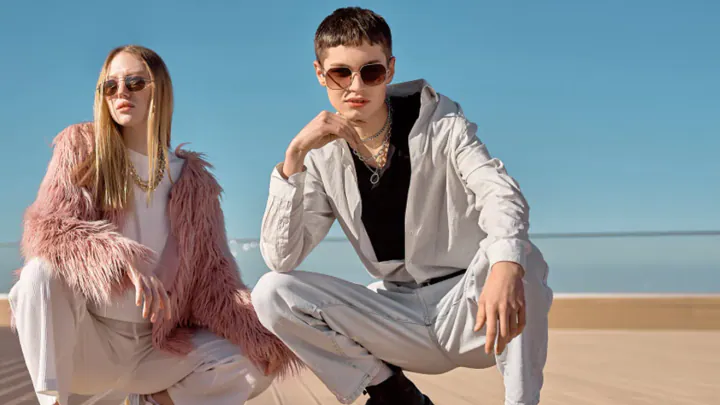
A wearable trend is a seasonal style direction you can adopt with one or two garments that already fit your life — not a wardrobe rebuild. That distinction matters in 2025, because the year's dominant looks are unusually easy to translate: soft shoulders instead of stiff ones, neutrals instead of logos, flats instead of heels. Below is what each trend actually is, the cheapest honest way to test it, and the point at which it stops working.
What are the 2025 fashion trends that actually work in real life?
Eight of them: relaxed tailoring, quiet luxury, sheer layering, reinvented denim, grown-up balletcore, the red accent, sustainable basics, and athluxury. Each survives a commute, a desk chair and a grocery run. The table below is our quick triage — what it is, the lowest-commitment way in, and when to skip it.
| Trend | What it actually is | Cheapest way to test it | Skip it if |
|---|---|---|---|
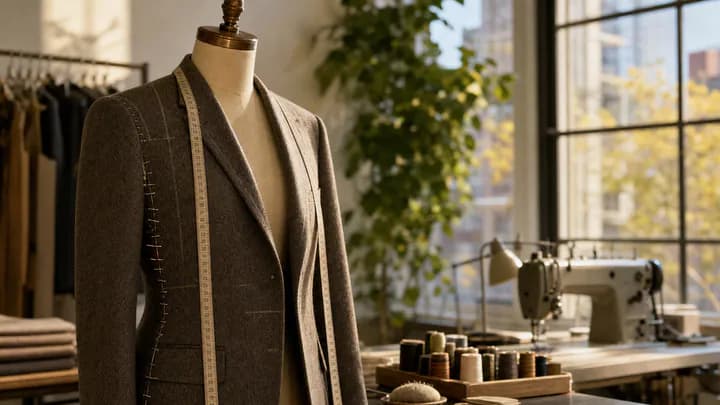
| Relaxed tailoring | Soft-shouldered oversized blazers, wide-leg trousers, unstructured jackets | A secondhand wool blazer, hemmed sleeves | You're under about 5'3" and won't get trousers shortened |
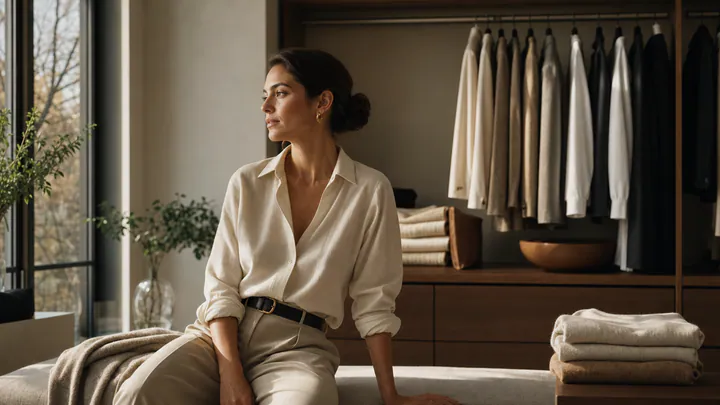
| Quiet luxury | Logo-free neutrals in good fabric: cashmere, wool, cotton, silk | A merino crewneck in camel or gray | Your budget forces polyester — the effect depends on fabric |
| Sheer layering | Mesh or chiffon worn over an opaque base | A sheer button-down over a fitted tank | Your workplace dress code prohibits it |
| Reinvented denim | Barrel-leg, wide-straight, denim maxi skirts, tonal double denim | One pair of dark-indigo wide-straight jeans | You need jeans that tuck into tall boots daily |
| Grown-up balletcore | Wrap shapes, soft pastels, ribbon detail, elegant flats | Leather ballet flats or a ribbon hair tie | You need arch support — look at pointed loafers instead |
| The red accent | One cherry or burgundy piece against neutrals | A structured red bag or belt | Nothing — this is the lowest-risk trend of the year |
| Sustainable basics | Classic cuts in recycled, organic or deadstock material | Resale platforms and repair rather than replacement | You're buying the label, not the garment |
| Athluxury | Clean joggers, refined sneakers, technical knits worn as normal clothes | Swapping running sneakers for a leather minimal pair | You already live in athleisure and want contrast |
What is quiet luxury, and how do I get it right without spending a fortune?
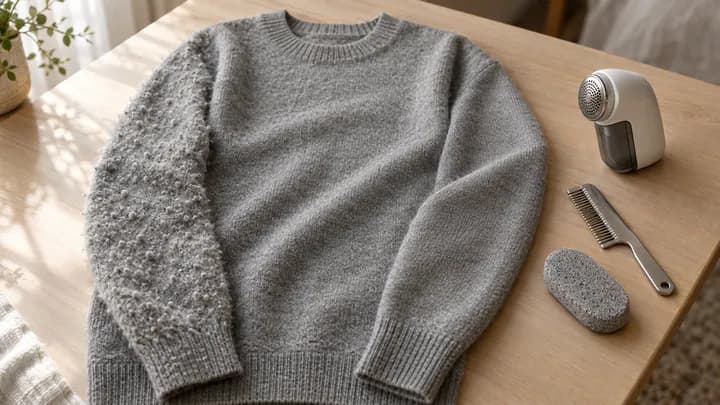
Quiet luxury is logo-free dressing in restrained colors where the appeal comes from fabric, cut and fit rather than branding. That means the trend lives or dies on materials — a flimsy acrylic knit in oatmeal is not quiet luxury, it is just beige. Turn the garment inside out and read the composition label before anything else.
Our rule of thumb: for knits, look for wool, merino, cashmere or a blend where the natural fiber leads the label; a small percentage of nylon actually improves durability at the elbows. For trousers and blazers, wool or a wool-rich blend drapes in a way that pure polyester never will. For summer weight, linen, cotton poplin and lyocell hold their shape better than viscose, which creases and clings.
Resale is where the budget math works. A secondhand cashmere sweater or a wool blazer from a good label frequently costs less than a new synthetic one and looks unarguably better. If you want the full framework — palette, proportions, what to buy first — our guide to building a timeless quiet luxury wardrobe goes deeper than a trend list can.
How do I wear sheer layers without feeling exposed?
Layer the sheer piece over something opaque and keep the lower half fully solid. A sheer button-down or mesh long-sleeve over a fitted tank, camisole or bodysuit — ideally in the same tonal family — is the easiest version, and it reads as intentional layering rather than a going-out top.
Most people dismiss this trend assuming it only suits one body type or one occasion. In practice it is one of the most flattering combinations of the year, because the sheer layer adds a second visual line without adding bulk. Tonal matching is what makes it office-appropriate: cream over cream disappears into a look, while black mesh over a white tank announces itself.
The honest exception: this does not apply if you work somewhere with a formal or client-facing dress code, in healthcare, in food service, or anywhere with uniform requirements. No amount of styling gets sheer past those rules, and that's fine — the other seven trends are all fully compliant.
Which denim silhouettes replaced skinny jeans in 2025?
Barrel-leg, wide-straight and the long denim skirt. The common thread is structure: rigid or lightly stretched denim that holds a shape instead of following the leg, usually in a deeper indigo or a clean ecru rather than a distressed mid-wash.
Fit is the whole game here, and there is a specific decision rule worth memorizing. With wide or barrel legs, the hem should break just above the floor when you're wearing the shoes you'll actually pair them with — no more than about a quarter inch of clearance. Too long and the fabric pools and drags; too short and the silhouette looks accidental. This is why a hemming appointment is not optional with 2025 denim, and why buying the length you can tailor beats buying the length that happens to be in stock.
Tonal double denim — same wash top and bottom — is the version of denim-on-denim that has aged well. Contrasting washes look dated fast. If you're rebuilding your denim drawer from scratch, our breakdown of the jeans worth buying now covers which cuts are holding and which are already fading.
How do I mix multiple trends without looking like a mood board?
Pick one hero trend per outfit and let everything else be neutral support. Balletcore flats plus a sheer blouse plus double denim plus an oversized blazer plus a red bag is five statements competing for the same three seconds of attention — even when every single piece is good.
- One hero, two neutrals. If the oversized blazer is the story, the trousers and top should be quiet. The quiet luxury palette makes this easy, because understated pieces don't fight for space.
- Use color to connect. Mid-wash denim with a cream camisole and an ivory sheer overshirt reads as deliberate. The same three pieces in three unrelated colors reads as chaos.
- Let accessories carry the reference. A satin ribbon tie or a single pair of ballet flats delivers balletcore without a full pastel commitment.
- Ground volume with simple shoes. Wide-leg trousers and a roomy blazer already carry the visual weight. A clean white sneaker or a minimal loafer stops the look tipping into costume.
If you find yourself constantly stuck at this stage, the underlying problem is usually the wardrobe, not the outfit. A tight, coherent base — see our 30-piece capsule wardrobe framework — makes trend layering almost automatic, because everything already matches everything.
Which 2025 pieces are actually worth the money?
Four: a well-cut oversized blazer in camel or charcoal, one pair of dark-indigo barrel-leg or wide-straight jeans, a single red accessory, and elevated flat shoes. Between them they cover six of the eight trends and will still be wearable in three years.
Here's the arithmetic we use instead of arguing about price. A well-made leather flat at around 120 dollars, worn twice a week for two years, costs roughly 60 cents per wear. A 25-dollar synthetic version that splits at the seam after twenty wears costs about 1.25 per wear — twice as much, and it looked worse the whole time. Cost per wear is the only fashion math that consistently tells the truth, and it always favors buying fewer, better things.
The inverse also holds: for a trend you're unsure about, deliberately buy cheap or secondhand. A sheer blouse or a pastel wrap top is a low-stakes experiment. Reserve the real spend for the blazer, the denim and the shoes.
What mistakes make these trends look wrong?
Four recur constantly, and all of them are fixable before you spend anything.
- Buying quiet luxury in bad fabric. The aesthetic is tactile. Touch the garment, read the composition, and walk away from anything that feels papery or static-prone.
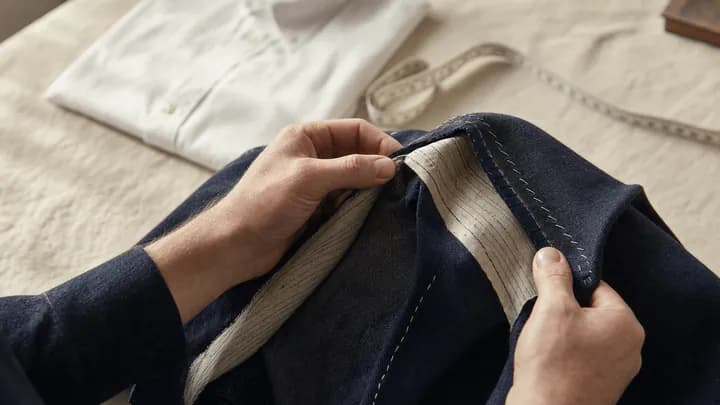
- Oversizing without proportion control. Relaxed tailoring works because the volume is intentional. A blazer two sizes too large over trousers pooling at the floor just reads as borrowed clothes. Know your inseam, and budget for sleeve and hem alterations on anything oversized.
- Treating sustainability as a separate shopping category. The best eco-conscious pieces of 2025 aren't marketed as sustainable at all — they're well-made, classic-cut garments in natural or recycled fiber. Shop for quality and longevity first; the environmental benefit largely follows. Repair and resale beat any new purchase labeled "conscious."
- Chasing micro-trends on a credit card. Trend cycles now move faster than most budgets. If you're buying to feel current rather than because a piece fills a gap, pause.
How do I start if I only want to change one thing?
Buy the red accessory. It's the single highest-impact, lowest-risk move of the year: a structured cherry-red bag or belt lifts an otherwise entirely neutral outfit, requires no fit decisions, works against cream, camel, navy, gray, burgundy and forest green, and costs a fraction of a blazer.
If you want a second move, swap your most-worn shoes. Elevated flats — a leather ballet flat, a pointed loafer, a minimal leather sneaker — are the quiet throughline connecting balletcore, athluxury, quiet luxury and the new denim silhouettes. Changing your shoes changes every outfit you own at once, which is a better return than any single garment.
Key takeaways
- One hero trend per outfit, everything else neutral — this single rule prevents most 2025 styling failures.
- Quiet luxury depends on fiber content, not color. Read the label; resale is the affordable route to real wool and cashmere.
- New denim silhouettes need hemming. Buy the cut that flatters and tailor the length to the shoes you'll wear.
- Spend on the blazer, the jeans and the shoes; experiment cheaply or secondhand with sheer, pastel and micro-trend pieces.
- Cost per wear, not sticker price, is the number that decides whether a trend purchase was smart.
- Sheer layering is genuinely office-friendly when tonal and worn over an opaque base — unless your dress code says otherwise.
Frequently asked questions
What are the top 2025 fashion trends I can wear every day?
Relaxed tailoring, quiet luxury neutrals, sheer layering over a fitted base, reinvented denim silhouettes, grown-up balletcore and a single red accent are the six that work in ordinary life. Athluxury and well-made sustainable basics round out the list. Each can be tested with one garment rather than a full outfit.
How do I try new trends without overhauling my wardrobe?
Add one trend-forward piece to an outfit you already wear well, and keep everything else neutral. A cherry-red shoulder bag, a sheer button-down over a tank, or a pair of leather ballet flats each carry a full trend reference without touching the rest of your closet.
Is quiet luxury still in for 2025?
Yes — understated, logo-free dressing in neutral tones is still the dominant direction, and it has outlived its own hashtag because it is essentially just good basics. The caveat is fabric: the aesthetic depends on wool, cashmere, cotton and silk blends, not beige polyester.
Are skinny jeans over in 2025?
They are no longer the default, but they are not unwearable — barrel-leg, wide-straight and long denim skirts simply took over the center of the trend. If skinny jeans suit your proportions and your boots, keep them; just balance them with volume on top rather than a fitted top.
How do I wear sheer layers to the office?
Wear a sheer button-down or blouse over an opaque, fitted base — a tank, camisole or bodysuit in a matching tone — and keep the bottom half fully solid. Check your workplace dress code first; some fields and client-facing roles do not allow it regardless of styling.
Where can I find affordable versions of 2025 trends?
High-street chains such as Zara, Mango, H&M, COS and Uniqlo carry the silhouettes quickly, and resale platforms are often the best source for the wool and cashmere pieces that make quiet luxury work. Buy the trend-driven shapes cheaply and the fabric-dependent pieces well.
How many trends can I wear in one outfit?
One hero trend, with everything else neutral, is the reliable rule — two at most, and only if they share a color family. Stacking a sheer blouse, denim-on-denim, ballet flats, an oversized blazer and a red bag reads as a mood board rather than an outfit.