Bedroom Refresh 2026: Calm, Cozy Upgrades That Work
A practical 2026 bedroom refresh guide with layered lighting, better bedding, quiet storage, and small decor moves that make the room feel genuinely restful.

TL;DR: A great bedroom refresh in 2026 is less about buying new furniture and more about editing what you already own. Focus on four levers — lighting, bedding layers, color and texture, and quiet storage — and the room will feel calmer within a weekend. Skip the overhead light, invest in one great set of sheets, add a rug big enough to touch the floor on three sides of the bed, and clear every surface you don't actively use. That's the whole playbook.
Our team spends a lot of time looking at the small upgrades that actually make a home feel better, and the bedroom is where those upgrades pay the highest emotional dividend. This is the room where your day starts and ends. Getting it right doesn't require a renovation — just a few thoughtful decisions in the right order.
Start with how the room feels, not how it looks
Before you shop for anything, spend one evening in your bedroom paying attention. Walk in the way you normally would after a long day. What do you notice? Is the overhead light harsh? Is there a pile of laundry on a chair? Does the bed look inviting or does it look like a to-do list?
We recommend making three quick notes: one thing that bothers you every day, one thing you'd like to feel when you walk in, and one thing you already love. Those three answers become your entire brief. Everything else is noise.
The three-question refresh brief
- Daily irritant: the cord tangle, the squeaky drawer, the glare from the streetlight.
- Desired feeling: calm, cocooned, hotel-crisp, warm and layered, spa-like.
- Existing anchor: the piece you'd keep no matter what — often the bed, a rug, or a piece of art.
Lighting: the single biggest upgrade
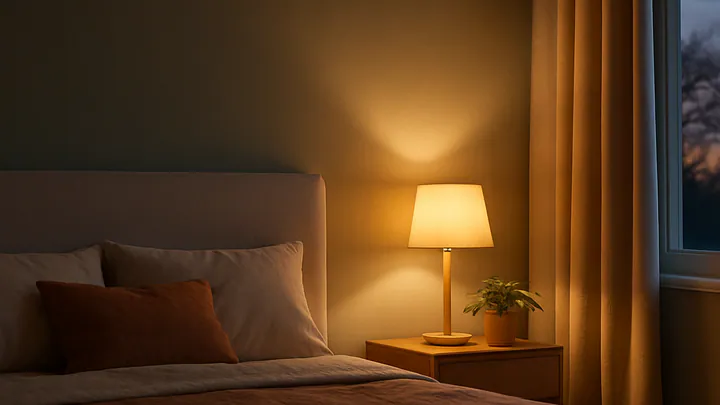
If we could only change one thing in a bedroom, it would be the lighting. A bright overhead fixture flattens a room and signals "office" to your brain. Warm, low, layered light signals "rest."
The goal is at least three separate light sources at different heights, all on the warm end of the spectrum (roughly 2200K–2700K bulbs). Put them on dimmers or smart plugs so you can drop the level as the evening progresses.
A simple lighting layout that works in almost any bedroom
- Two bedside lamps at roughly the same height as your shoulder when sitting up in bed — this makes reading comfortable without glare.
- One low light across the room: a floor lamp in a corner, a small table lamp on a dresser, or a wall sconce.
- One accent if you want it: a picture light, a candle, or a small LED strip tucked behind a headboard on the lowest warm setting.
Blackout curtains or a good roller shade are the other half of the lighting story. Controlling morning light does more for sleep quality than most gadgets on the market.
Bedding: buy fewer, better layers
The bed takes up the most visual space in the room, so it deserves the biggest share of your budget. But "better" doesn't mean "more." A well-dressed bed usually has five components, not fifteen.
The five-layer bed
- A fitted sheet in a natural fiber — long-staple cotton, linen, or a cotton-linen blend. These breathe better than most synthetics and get softer with washing.
- A flat sheet or top sheet if you like one; skip it if you don't. A duvet with a washable cover works fine on its own.
- A duvet or quilt weighted to your climate. Lightweight for warm rooms, mid-weight for most, and a heavier insert only if you actually sleep cold.
- A folded blanket or throw at the foot of the bed for texture and for chilly nights.
- Pillows in a considered arrangement — usually two sleeping pillows behind two Euro shams, with a single lumbar or small decorative pillow in front.
Mixing textures matters more than mixing colors. A crisp percale sheet, a slubby linen duvet cover, and a chunky knit throw will read as intentional even if everything is the same neutral tone.
Color and texture: the 2026 mood
The current direction in bedroom design leans warm, grounded, and tactile. Cool grays and stark whites have given way to oatmeal, clay, warm ivory, sage, and muted blues. The idea is a room that feels enveloping rather than clinical.
If your walls are already a neutral you don't hate, you don't need to repaint. Bring the new palette in through bedding, a rug, curtains, and one or two art pieces. If you do repaint, test large swatches on the wall for at least 48 hours and look at them in morning, afternoon, and lamp light. Paint colors shift dramatically depending on the light source.
Texture upgrades under $100
- Linen pillowcases in a tonal color to your duvet.
- A washed cotton or wool throw draped, not folded, at the foot of the bed.
- A small tufted or hand-loomed accent rug beside the bed if a full-size rug isn't in the budget.
- A ceramic lamp base or vase to break up smooth surfaces.
Quiet storage: the calm you can't see
Visual clutter is the enemy of a restful bedroom. The fix isn't more storage furniture — it's fewer items sitting in the open. We call this "quiet storage": the stuff you need is close by, but nothing is visible unless you want it to be.
Practical quiet-storage moves
- One-drawer nightstands hide chargers, hand cream, and a book. If you don't have a drawer, a lidded box on the nightstand does the same job.
- Under-bed bins for off-season bedding and sweaters. Choose low-profile fabric bins over hard plastic — they're quieter to pull out and easier on the eyes if they're ever visible.
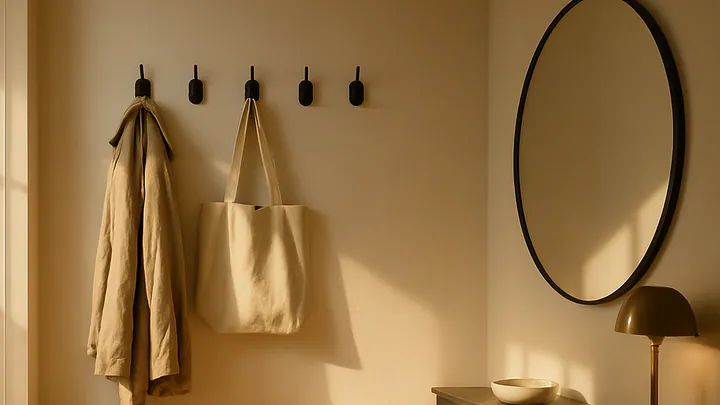
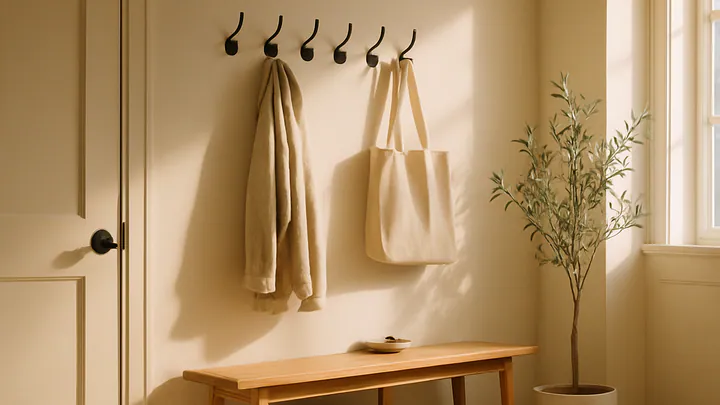
- A hook or valet for the chair pile. If clothes are landing on a chair every night, the chair isn't the problem — you need a designated spot for tomorrow's outfit.
- A charging drawer, not a charging tabletop. A small power strip inside a drawer clears every cord out of sight.
The rule we like: nothing lives on a nightstand or dresser top unless it earns its place daily or is genuinely beautiful. Everything else goes into a drawer, a box, or a donation bag.
A weekend refresh plan
Here's how we'd sequence a real refresh over two days with a modest budget.
Saturday morning: edit
- Strip the bed completely and wash everything.
- Clear every surface into a laundry basket. Only return items that are genuinely useful or genuinely loved.
- Empty one drawer or shelf you've been avoiding. Donate, recycle, or relocate anything that doesn't belong in a bedroom.
Saturday afternoon: lighting and layout
- Swap in warm bulbs (2700K or lower) in every fixture.
- Add or reposition a third light source.
- Try the bed on a different wall if the room allows — sometimes a 90-degree shift changes everything.
Sunday: layer and style
- Remake the bed with fresh bedding using the five-layer approach.
- Add or reposition the rug so it extends past the sides of the bed.
- Style two surfaces with the three-object rule: one tall (lamp), one short (book or tray), one organic (plant, dried grass, or ceramic).
- Hang or lean one piece of art you actually like.
Small upgrades that punch above their weight
- A door sweep or draft stopper to quiet hallway noise and light leaks.
- Felt pads under furniture legs so the room is silent when you move around at night.
- A single houseplant that tolerates lower light — snake plant, pothos, or ZZ plant are forgiving choices.
- A small tray on the dresser to corral watches, jewelry, and pocket contents instead of scattering them.
- An analog alarm clock so your phone can charge in another room, or at least across the room.
Key takeaways
- Fix the lighting first — warm bulbs, three sources, dimmable if possible.
- Invest in one great set of natural-fiber sheets before anything else.
- Layer textures more than colors; keep the palette warm and grounded.
- Clear every surface, then return only what earns its place.
- A properly sized rug and blackout window covering are transformative upgrades.
- You can complete a meaningful refresh in one weekend without buying new furniture.
Editorial note: This article reflects general home design guidance from our editorial team. Design preferences are personal, and rental or accessibility constraints may affect what's practical in your space. For structural changes, electrical work, or anything involving wiring beyond swapping a bulb, please consult a qualified professional.
Frequently asked questions
How much does a bedroom refresh usually cost?
A meaningful refresh can be done for under $300 if you focus on lighting, bedding layers, and rearranging what you already own. Larger upgrades like a new mattress, headboard, or rug can push the budget into the low four figures.
What is the fastest way to make a bedroom feel calmer?
Turn off the overhead light and add two or three warm, low-wattage lamps. Then clear every horizontal surface except two or three intentional objects. Those two steps alone shift the mood dramatically in under an hour.
What colors work best for a restful bedroom in 2026?
Soft, muted tones tend to feel most restful: warm whites, oatmeal, sage, dusty blue, clay, and mushroom. Deeper enveloping colors like forest green or plum can also feel cozy if the lighting stays warm.
How many pillows should be on the bed?
For a standard queen, two sleeping pillows plus two Euro shams and one lumbar pillow looks intentional without being fussy. Keep the total odd or evenly balanced, and skip pillows you have to move to the floor every night.
Do I need a rug in the bedroom?
A rug is one of the highest-impact upgrades because it defines the space and warms bare feet in the morning. Aim for a size that extends at least 18 to 24 inches beyond the sides and foot of the bed.
How often should I refresh bedding?
Sheets typically last two to three years with regular use, pillows one to two years, and a quality mattress seven to ten years. Duvet inserts and quilts can last much longer if they are washed or aired seasonally.