Quick Meals for Working Moms: The 15-Minute Dinner Playbook
A working parent's weeknight dinner playbook: five genuinely fast meals, a 45-minute Sunday prep session that pays for itself, honest timing math on "15-minute" recipes, and how to feed a picky eater without cooking twice.
Rewritten with AI and republished automatically. Our editors set the standards and fix reported errors — how we work.
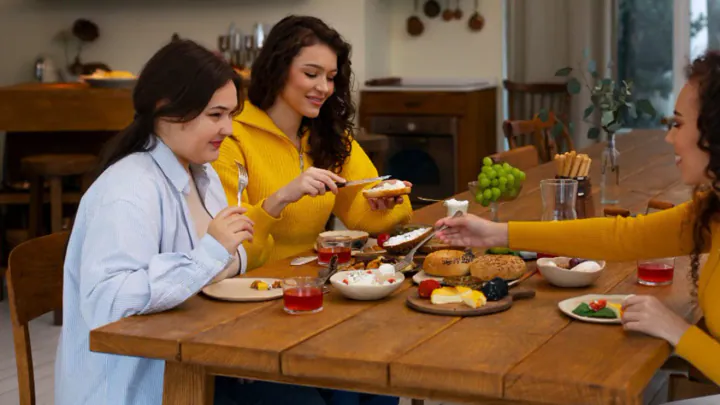
TL;DR: Keep five dinners you can cook without a recipe, spend 45 minutes on Sunday batching one protein and one grain, and stop trusting "15-minute" labels that exclude preheat and prep. Stovetop and no-cook meals are the only truly fast ones. Everything below builds that rotation.
A quick weeknight meal is a dinner that reaches the table in under 30 minutes of real, door-to-plate time, uses one or two pans, and requires no decision-making at 6 p.m. That last part matters more than the recipe. Most weeknight dinner stress is not cooking stress, it is deciding-what-to-cook stress at the exact hour when your judgment is worst.
Why do weeknight dinners take longer than the recipe says?
Because most recipe timers start after prep and preheat are done. A "15-minute" sheet-pan chicken realistically takes 30 to 35 minutes: 10 to 12 for the oven to reach 425°F, 8 for chopping and tossing, 15 to bake, plus a few minutes of resting and plating. That is not a lie in the recipe, but it is a mismatch with how a tired parent reads it.
A simple rule helps. Anything that needs the oven is a 30-minute meal, not a 15-minute meal, and it belongs on a night when you get home earlier. Anything cooked on the stovetop, in a skillet or a pot of already-boiling water, actually lands near its stated time. No-cook assembly meals — wraps, grain bowls, big salads with pre-cooked protein — are the only ones that beat it.
Plan around that split and the week stops feeling like a series of small failures. If you like the oven approach for its low hands-on time, our guide to sheet-pan dinners that stay fast and balanced covers how to stagger ingredients so nothing burns while something else is still raw.
What can I cook in 15 minutes with what's already in my kitchen?
These five hold up to the clock because they are stovetop or assembly, and because they tolerate substitution. Learn them well enough to cook without reading, and you have covered most of the week.
- Egg fried rice (8 minutes). Cold, day-old rice is essential — fresh rice steams into mush. Scramble two or three eggs, push them aside, add the rice with a fistful of frozen peas and corn, then soy sauce and a splash of sesame oil at the end.
- Skillet quesadillas (10 minutes). Tortilla, cheese, whatever protein is in the fridge. Cook dry in a hot pan, no oil, pressing with a spatula. Cut into wedges and serve with salsa.
- Frozen vegetable stir-fry (12 minutes). High heat, no lid, a bottled sauce you actually like. Add pre-cooked chicken or cubed tofu in the last two minutes so it heats through without drying out.
- Tuna and white bean wraps (7 minutes, no cooking). Canned tuna, drained white beans, Greek yogurt or olive oil, lemon, and whatever crunchy vegetable is chopped. Serve in tortillas or lettuce leaves.
- Garlic-and-oil pasta with a vegetable (15 minutes). The water takes most of that time. Add broccoli or green beans to the pasta pot for the final three minutes and you have one pot, two components.
Pasta deserves special mention because it is the most forgiving weeknight format there is. If you want the sauce to come together in the same pan, our one-pan pasta method explains why the starchy cooking water does the emulsifying work, and the companion one-pot pasta weeknight guide covers liquid ratios for different shapes.
| Meal | Real time | Hands-on | Pans to wash | Requires advance prep? |
|---|---|---|---|---|
| Egg fried rice | 8 min | 8 min | 1 | Yes — needs cold cooked rice |
| Quesadillas | 10 min | 10 min | 1 | No |
| Tuna and bean wraps | 7 min | 7 min | 0 | No |
| Frozen vegetable stir-fry | 12 min | 10 min | 1 | Helpful — pre-cooked protein |
| Sheet-pan chicken and vegetables | 32 min | 9 min | 1 | No |
Which fast dinners are genuinely nutritious?
The fastest way to make a quick meal balanced is to check for three things on the plate: a protein, a fiber source, and something acidic or fresh. You do not need a nutrition label. If chicken, beans, or eggs are present, plus a vegetable or whole grain, plus lemon, salsa, yogurt, or vinegar, the meal is in reasonable shape.
Three worth returning to constantly:
- Grilled chicken and grain salad. Pre-cooked chicken from Sunday, cooked quinoa or rice, cucumber, cherry tomatoes, feta, lemon-olive oil dressing. Ten minutes, no heat.
- Black bean and sweet potato skillet. Diced sweet potato cooks in about 12 minutes if you cut it small. Add canned black beans, cumin, and lime, and top with cheese or a fried egg.
- Spinach and cheese stuffed chicken breast. A 20-minute bake with five minutes of assembly. Worth it on a night with breathing room, not a night with a 7 p.m. practice.
Frozen vegetables are not a compromise here. Produce frozen shortly after harvest holds its nutrients well, and it does not rot in the crisper drawer while you feel guilty about it. If anyone in your household has an allergy, a chronic condition, or a prescribed eating plan, treat these as general ideas and consult a qualified dietitian or physician for anything specific.
If dinner is the only meal you can control, protein earlier in the day takes pressure off the evening. Our roundup of high-protein breakfast ideas for busy mornings covers the make-ahead options that survive a school run.
How do I feed a picky eater without cooking two dinners?
Deconstruct the meal instead of duplicating it. Serve the same components separated on the plate, with at least one item you know the child will eat, and put sauces and spice on the side. The child is eating the family dinner, just disassembled — which is the difference between accommodation and short-order cooking.
The formats that do this naturally are the ones worth keeping in rotation: taco night with a lined-up bar of fillings, English-muffin pizzas with a toppings tray, rice bowls where everyone builds their own, and pasta served plain with sauce in a separate bowl. A side of cut fruit counts as a vegetable substitute on a hard night. It does, genuinely.
The costly mistake here: cooking a separate backup meal the moment a plate is rejected. It teaches the household that rejection produces a better option, and it adds a second cleanup to your worst hour of the day. Serving one deconstructed meal removes the incentive without turning dinner into a standoff.
This does not apply if you are dealing with a genuine feeding disorder or a medically restricted diet. Extreme, persistent food avoidance is a clinical matter, not a meal-planning one, and it warrants a pediatrician's input.
How much Sunday meal prep do I actually need?
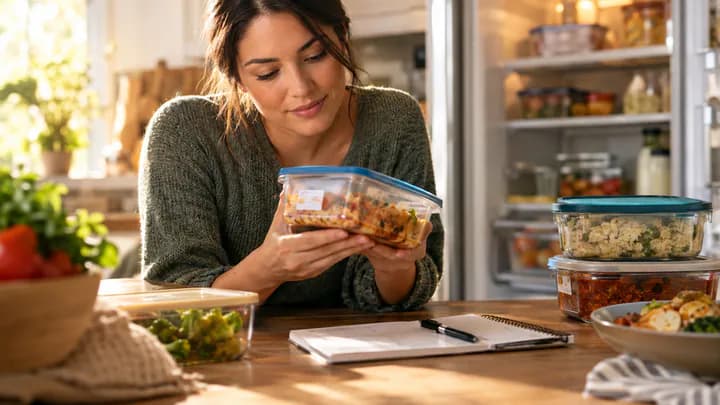
Forty-five minutes is the sweet spot: one batch protein, one batch grain, and a tray of washed and chopped vegetables. That is enough to make three weeknight dinners assembly jobs instead of cooking jobs, and it is short enough that you will actually do it again next week. Three-hour meal prep marathons have a famously high dropout rate because they consume the only unclaimed block in the weekend.
A workable 45 minutes looks like this:
- Minutes 0–5: Start a pot of rice or a tray of chicken thighs at 425°F. Heat does the work while you do everything else.
- Minutes 5–25: Wash and chop. Bell peppers, onions, broccoli, carrots, cucumber. Store in glass containers with a paper towel to absorb condensation.
- Minutes 25–35: Mix one dressing or sauce in a jar. Lemon, olive oil, mustard, salt. It makes salads feel deliberate rather than resigned.
- Minutes 35–45: Portion and cool. Freeze Thursday and Friday's protein immediately.
Two food-safety points worth knowing. Cooked chicken is generally safe for three to four days refrigerated, so a Sunday batch covers through Wednesday — freeze the later portions on Sunday rather than betting on day five. And cooked rice should be cooled quickly and refrigerated promptly rather than left on the counter for hours, because rice can harbor spores that survive cooking and multiply at room temperature. Spread it on a sheet pan to cool fast, then refrigerate.
What do I cook when even 15 minutes is too much?
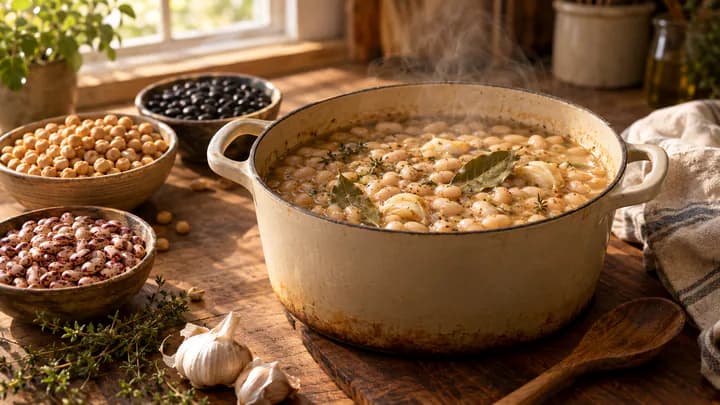
Reach for the freezer and the can shelf, in that order, and accept that this is a fine dinner. Frozen dumplings pan-fried with a splash of water, canned bean soup with frozen spinach stirred in, or scrambled eggs with toast are complete meals that ask almost nothing of you.
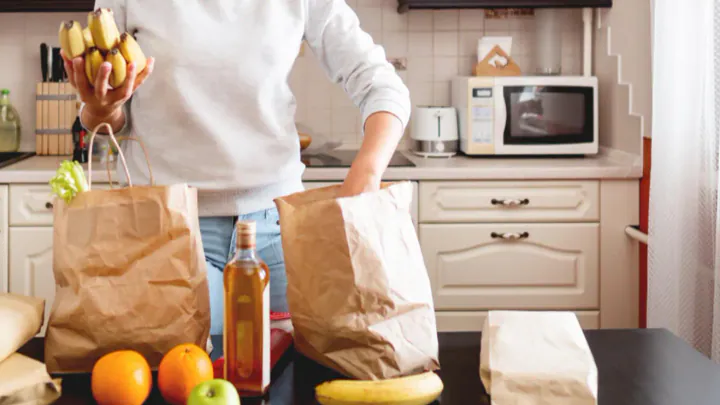
The one habit that makes these nights work is stocking nine items permanently: eggs, tortillas, cheese, canned beans, canned tuna, pasta, rice, stock, and frozen vegetables. Any two or three of them produce a meal. Equipment matters far less — a pressure cooker is convenient, but it is not what stands between you and dinner.
What mistakes quietly make weeknight cooking slower?
Four, and all of them are fixable tonight.
- Overcrowding the pan. Too much food in one skillet drops the temperature, releases steam, and turns browning into boiling. Chicken goes gray, vegetables go limp, and you wait twice as long. Cook in two batches or use a bigger pan.
- Not preheating the pan properly. Food added to a lukewarm skillet sticks and steams. Ninety seconds of patience saves five minutes of scraping.
- Under-salting and skipping acid. This is why fast food tastes flat. A squeeze of lemon, a splash of vinegar, or a spoon of yogurt at the end does what a long simmer would have done.
- Leaving the decision to 6 p.m. Write the week's five dinners on a sticky note Sunday night. The note is doing more work than any appliance you own.
How do I build a rotation I'll actually stick to?
Pick five meals, assign each to a weeknight, and repeat them for a month before changing anything. Novelty is the enemy of a functioning system — a rotation works precisely because it becomes boring enough to run on autopilot. Swap one meal per month and you get variety without decision fatigue.
A starting template: Monday stir-fry, Tuesday tacos, Wednesday pasta, Thursday sheet pan, Friday quesadillas or leftovers. Keep one designated "nothing" night with zero cooking obligation. Building small systems that reduce daily friction is the same logic behind a capsule wardrobe — fewer choices, better mornings, and less energy spent on decisions that were never going to matter much.
Key takeaways
- Oven meals are 30-minute meals once you count preheat; stovetop and no-cook meals are the only true 15-minute options.
- Five memorized fallback dinners beat a folder of saved recipes you never open.
- Forty-five minutes of Sunday prep — one protein, one grain, chopped vegetables — converts three weeknights into assembly jobs.
- Cooked chicken keeps three to four days refrigerated; freeze later portions upfront and cool rice quickly before storing.
- Serve one deconstructed meal for picky eaters rather than a second dinner, and keep sauces on the side.
- Salt and acid at the end are what make fast food taste like a real meal.
Frequently asked questions
What is the fastest real dinner I can make from a stocked kitchen?
Egg fried rice with cold leftover rice is usually the fastest, at roughly eight minutes from fridge to plate. It needs no preheat, no thawing, and no chopping if you use frozen peas and corn. Quesadillas are a close second at about ten minutes for a family of four.
Are 15-minute recipes actually 15 minutes?
Usually not, because most recipe timings start after the oven is preheated and the ingredients are prepped. A sheet-pan chicken labeled 15 minutes often runs 30 to 35 minutes door-to-table once you add a 10-minute preheat and 8 minutes of chopping. Stovetop and no-cook meals are the ones that hold to their stated time.
How long does batch-cooked chicken keep in the fridge?
Cooked chicken is generally considered safe for three to four days in the refrigerator at 40°F or below. That means a Sunday batch reliably covers Monday through Wednesday. Freeze Thursday and Friday portions on Sunday rather than gambling on day five.
How do I feed a picky eater without cooking two dinners?
Serve one meal deconstructed, with the components separated on the plate and at least one item you know the child eats. This is the same food, not a second dinner, and it removes the nightly negotiation. Sauces, dressings, and spice go on the side so each person builds their own portion.
Are frozen vegetables as good as fresh for weeknight cooking?
Yes, for most weeknight purposes. Vegetables frozen soon after harvest retain their nutrients well, and they save you the washing, chopping, and spoilage that make fresh produce quietly expensive. Frozen vegetables work best in stir-fries, soups, and pasta, and least well raw or in salads.
How much Sunday prep do busy parents actually need?
About 45 minutes covers most weeks: one batch protein, one batch grain, and washed, chopped vegetables. Multi-hour meal prep sessions have a high dropout rate because they compete with the only free block in the weekend. A short, repeatable session you actually complete beats an ambitious one you skip.
What pantry items make last-minute dinners possible?
Eggs, tortillas, cheese, canned beans, canned tuna, pasta, rice, stock, and a bag of frozen vegetables. Those nine items produce quesadillas, fried rice, pasta, bean soup, tuna wraps, and omelets in any combination. Keeping them stocked matters more than owning any specific gadget.