Sustainable Fashion 2026: How to Dress Ethically and Well
Sustainable fashion in 2026 is less about buying an "eco collection" and more about wearing what you own longer. Here is what actually reduces impact, how to read a label without being fooled, and the cost-per-wear math that settles most buying decisions.
Rewritten with AI and republished automatically. Our editors set the standards and fix reported errors — how we work.

TL;DR: Sustainable fashion in 2026 is mostly about wearing clothes longer, not buying a greener wardrobe. Secondhand, repair, and cost-per-wear math beat any "eco collection." Check certifications, not adjectives. Recycled polyester and vegan leather are trade-offs, not fixes. Start with what you already own.
What exactly counts as sustainable fashion?
Sustainable fashion is an approach to designing, producing, and buying clothing that aims to reduce environmental harm and protect the people who make it — through lower-impact materials, cleaner processing, fair labor conditions, and, above all, garments that stay in use for years rather than months.
That last clause does the heavy lifting. A GOTS-certified organic cotton shirt worn four times and donated is worse than a conventional shirt worn two hundred times. Material choice matters, but use is the variable with the widest range, and it is the only one you fully control after purchase.
The adjacent terms you will see used loosely: ethical fashion leans toward labor and animal welfare, circular fashion refers to designing for reuse and recycling, and slow fashion describes buying less and keeping longer. They overlap; none of them are legally defined terms on a hang tag.
What changed in 2026 that actually matters?
The biggest shift is regulatory rather than stylistic. European rules have moved toward separate collection of textile waste, restrictions on unsupported environmental marketing claims, and a framework for digital product passports that would attach verifiable data about materials, repairability, and origin to individual garments.
For shoppers, the practical effect is that vague claims are becoming a liability for brands selling into Europe. Expect fewer "eco-friendly" banners and more specific numbers — recycled content percentages, certification licenses, spare-part availability. Expect also a wave of brands quietly retiring their "conscious collection" labels because they can no longer substantiate them.
France's repair subsidy for clothing and shoes is the other development worth knowing about, because it points to where policy is heading: paying people to keep garments in circulation rather than asking them to buy differently.
Which sustainable fashion trends hold up, and which are marketing?
Resale, repair, and rental hold up because they extend the life of things that already exist. Novel materials are promising but early. "Eco capsule collections" from fast-fashion brands are the weakest signal on the list, because a 2% sustainable line inside a high-volume business changes very little.
| Route | Real impact | Cost to you | Effort | Best for |
|---|---|---|---|---|
| Wear and repair what you own | Highest — avoids all new production | Low (repairs $8–$60) | Low | Everyone, first step |
| Secondhand / resale | High — no new garment made | 30–70% below retail | Medium (search time, fit risk) | Denim, coats, knitwear, bags |
| Rental | Medium — depends on shipping and cleaning | $30–$150 per item | Low | Occasion wear worn once or twice |
| Certified new from a transparent brand | Medium — better inputs, still new production | Highest upfront | Low | Basics you will wear hundreds of times |
| Fast-fashion "eco" capsule line | Low — small share of total output | Low | Low | Little, honestly |
Notice that the two highest-impact rows cost the least. That is unusual in sustainability advice, and it is the main reason we lead with them.
How do I spot greenwashing on a product page?
Look for claims a third party can verify: a named certification with a license number, a published factory list, a stated recycled-content percentage, and a repair or take-back program you can actually find a link to. Adjectives without evidence — "eco," "conscious," "natural," "planet-friendly" — mean nothing on their own.
| Certification | What it verifies | What it does not |
|---|---|---|
| GOTS | Organic fiber content plus processing and some social criteria | Carbon footprint; garment durability |
| OEKO-TEX Standard 100 | Tested for harmful substances in the finished textile | Environmental impact of production; labor |
| Global Recycled Standard | Recycled content and chain of custody | Whether recycling was the best option |
| Fair Trade Certified | Wages, conditions, premium payments at specific facilities | Materials or emissions |
| bluesign | Chemical inputs and resource use in manufacturing | Fiber sourcing; end of life |
The edge case that catches people: bamboo. Bamboo grows fast with little input, but nearly all "bamboo" fabric on the market is bamboo viscose — the plant is dissolved in strong chemicals and regenerated as a fiber. That is not the same as mechanically processed bamboo linen, which is rare and stiff. If a listing says "bamboo" and feels like silk, it is viscose.
Are recycled polyester and vegan leather actually better?
Both are improvements on some axes and neutral or worse on others. Recycled polyester usually comes from drink bottles, which removes the bottle from a closed bottle-to-bottle loop and still sheds microfibers in the wash. Most vegan leather is polyurethane — plastic — and even cactus or mycelium leathers typically use a polymer coating for durability.
This is not an argument for giving up. It is an argument for judging garments on longevity and repairability rather than on the story attached to the material. A well-made recycled polyester jacket worn for a decade is a good outcome. A plant-leather bag that delaminates in eighteen months is not.
If synthetics are in your wardrobe — and they are in almost everyone's — a microfiber-catching laundry bag and cooler, less frequent washing do more than switching brands.
How much does dressing sustainably actually cost?
Less than most people expect, because the cheapest options are also the best ones. The cost question only bites when you are replacing a genuine wardrobe gap with a new, better-made item — and that is where cost-per-wear settles the argument.
Worked example. A $220 wool coat you wear four days a week for four winters is roughly 120 wears in the first two seasons alone: about $1.83 per wear, falling every year. A $60 coat that pills and loses shape after one season and gets worn a dozen times is $5 per wear. The expensive coat is the cheap one, provided you actually wear it.
The rule only works if the wear count is honest. For an occasion dress you will wear twice, the same math sends you straight to rental or resale. If the upfront number is the obstacle, a dedicated savings line for wardrobe replacements works better than credit.
What is the most expensive mistake people make here?
Replacing a functioning wardrobe with a "sustainable" one. We see it constantly: someone reads about ethical fashion, feels bad about their closet, donates eight bags of clothes, and buys fifteen new organic cotton pieces. That is a net increase in production and a net increase in textile heading toward landfill, dressed up as progress.
Donation is not disposal. Only a fraction of donated clothing is resold locally; the rest is baled, exported, or downcycled, and a share of it becomes waste in countries with no capacity to handle it. Treat your existing clothes as the starting inventory, not the problem.
The second-most-expensive mistake is buying for an imagined life. Trend-driven purchases fail the cost-per-wear test almost by definition. If you are rebuilding deliberately, a structured approach like a 30-piece capsule wardrobe forces the wear count to the front of the decision.
What should I buy new, and what should I buy secondhand?
Buy secondhand where fit is forgiving and durability is proven: denim, outerwear, knitwear, leather bags, blazers. Buy new where hygiene, fit precision, or performance matters: underwear, swimwear, running shoes, technical outerwear, and anything protective.
- Denim is the single best secondhand category — it is durable, widely available, and vintage cuts are back in rotation anyway. Our roundup of denim trends and the jeans worth buying is a useful shopping filter.
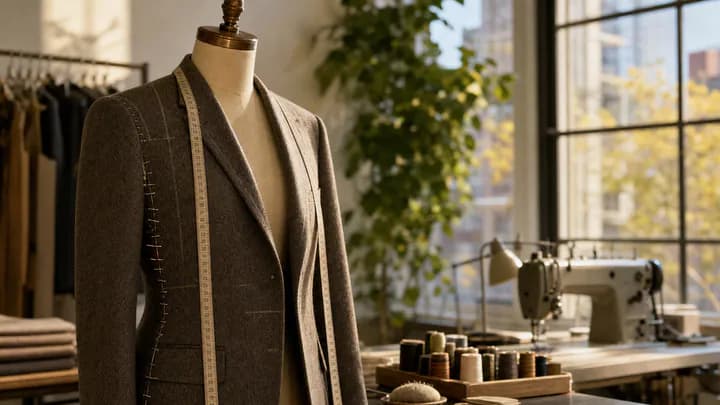
- Tailoring and coats hold construction quality that is expensive to buy new. The quiet luxury approach to a timeless wardrobe is essentially a secondhand-friendly brief.
- Shoes are the main exception. A sole and footbed mold to the previous owner. Buy lightly worn or new, and prioritize resoleable construction.
When does this advice not apply?
It does not apply cleanly if you wear plus sizes, need adaptive clothing, or work in a uniform or safety-regulated job. Resale inventory thins out sharply above a certain size range, adaptive garments are barely represented at all, and flame-resistant or high-visibility workwear must be bought new and replaced on schedule regardless of preference.
It also does not apply if your budget genuinely does not stretch to better-made basics this month. Buying the affordable thing and caring for it well is a legitimate sustainable choice. Guilt is not a strategy, and the people with the least purchasing power are not the ones driving the volume problem.
What is the fastest way to start this month?
Do a wear audit before you spend anything. Turn every hanger the same direction; in three months, anything unturned is a candidate for repair, resale, or a genuine reassessment. Meanwhile, four cheap changes cover most of the available impact.
- Wash cooler and less often. Spot clean, air out, and skip the tumble dryer where you can. This extends garment life more than any purchase.
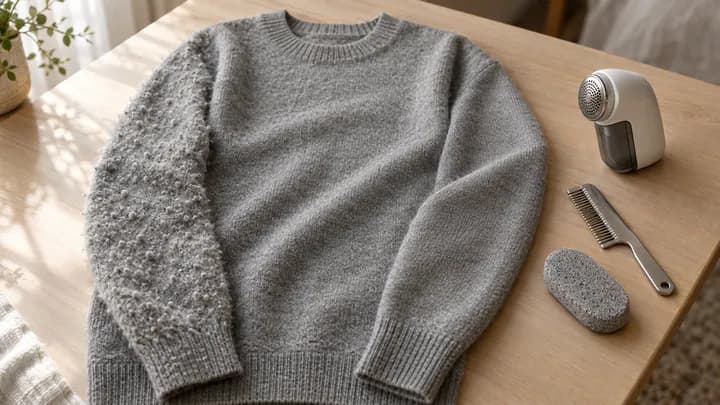
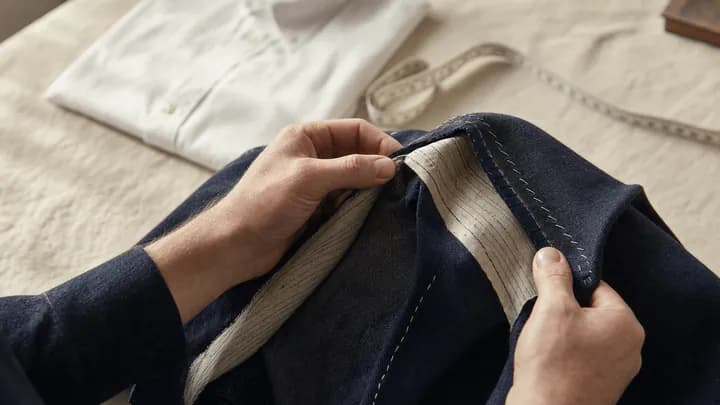
- Fix three things. A hem, a zipper, a missing button. Most alterations cost less than a takeout meal and return a garment to circulation.
- Set one rule before buying. Ours: will I wear this thirty times, and do I own something it works with? If either answer is no, wait a week.
- List, don't bin. Sell or swap what still has life. Local swaps beat shipping a $12 top across the country.
If you want structure rather than willpower, working through a deliberate closet build that you actually love wearing tends to outperform rules you have to remember.
Key takeaways
- Use beats material: the garment you wear two hundred times is the sustainable one, whatever it is made of.
- The highest-impact actions — repair, secondhand, washing habits — are also the cheapest, which is rare in this field.
- Judge claims by verifiable specifics: certification licenses, supplier lists, recycled-content percentages, working take-back programs.
- Recycled polyester and vegan leather are trade-offs, not solutions; assess durability and repairability instead.
- Never replace a working wardrobe to make it greener — that is a net increase in production, not a reduction.
- Secondhand advice breaks down for plus sizes, adaptive clothing, shoes, and safety-regulated workwear. Buy new there without apology.
Frequently asked questions
What is sustainable fashion in simple terms?
Sustainable fashion is an approach to making and buying clothes that aims to reduce environmental damage and protect the people making the garments, mainly by using lower-impact materials and processes and by keeping each item in use far longer. In practice, longevity matters more than any single material choice.
Is buying secondhand always better than buying new?
Usually, but not always. Secondhand extends the life of an existing garment and avoids new production, which is the biggest win available to a shopper. The exceptions are items where fit, hygiene, or safety matter — shoes molded to someone else's foot, technical or protective gear, and sizes that are simply not available on resale platforms.
How can I tell if a brand is greenwashing?
Look for specifics you can check: a named certification with a license number, a published supplier list, a percentage of the total line rather than a capsule collection, and a repair or take-back program that actually exists. Vague words like "eco," "conscious," or "natural" with no verifiable detail behind them are the clearest warning sign.
Is vegan leather better for the environment than animal leather?
Not automatically. Most vegan leather is polyurethane on a fabric backing, which is plastic, and even plant-based versions such as cactus or mycelium leather typically use a polymer coating for durability. Animal leather carries its own livestock and tanning impacts. The more useful question is how long the bag or shoe will last and whether it can be repaired.
Does washing clothes less really make a difference?
Yes. Washing and drying account for a large share of a garment's lifetime energy use, and hot washes plus tumble drying are the fastest way to wear fabric out. Washing cooler, washing less often, and air drying extend the life of clothes, which is the single most effective thing most people can do after they have bought an item.
What does cost-per-wear tell me that price does not?
Cost-per-wear divides the purchase price by the number of times you realistically expect to wear something, which converts a scary price tag into a usable comparison. A $220 coat worn 120 times costs about $1.83 per wear; a $60 coat worn 12 times costs $5. It only works if you are honest about the wear count.
Are new EU textile rules going to change what I can buy?
Gradually, yes. The EU has moved toward separate collection of textile waste, tighter rules on unsupported environmental claims, and a framework for digital product passports that would attach verifiable material and durability data to garments. Expect more specific labeling and fewer vague "eco" claims on products sold into Europe over the next few years.