Y2K Fashion in 2026: Why the Comeback Still Has Legs
Y2K style stopped being a costume and became a wardrobe. We break down the sub-aesthetics, the pieces worth buying, the rise measurements that actually matter, and the two-signifier rule that keeps the look modern instead of dated.
Rewritten with AI and republished automatically. Our editors set the standards and fix reported errors — how we work.
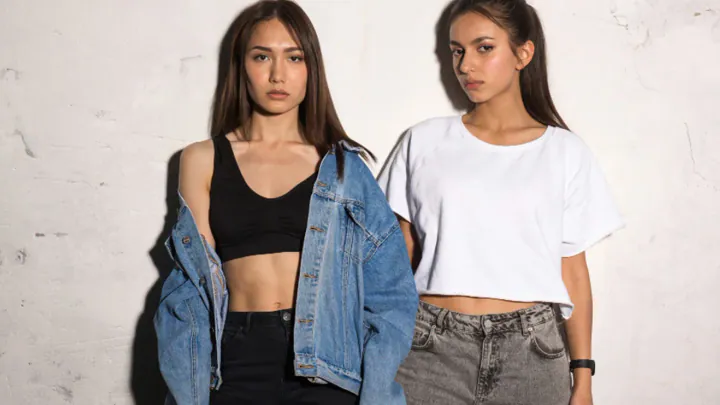
TL;DR: Y2K fashion came back in the early 2020s and stuck because its core pieces — cropped tees, relaxed cargos, chunky soles, tiny bags — are comfortable, cheap to find secondhand, and photograph well. In 2026 the loud version has calmed into a wearable one. Buy two or three signifiers, not a full outfit.
What exactly is Y2K fashion, and when does it start and end?
Y2K fashion is a revival aesthetic built on the clothing of roughly 1998 to 2006, defined by low rises, cropped hems, glossy or metallic surfaces, visible logos and playful, tech-optimistic styling. The name comes from the millennium bug, and the earliest phase genuinely looked futuristic: frosted plastics, silver and ice blue, mesh, tiny rectangular sunglasses.
The later years drifted somewhere else entirely — velour tracksuits, rhinestones, trucker hats, oversized belt buckles. That stretch has its own name, McBling, and it matters when you shop, because searching "Y2K" on a resale app returns both and they do not style the same way.
Why hasn't the Y2K comeback faded like other micro-trends?
Because it stopped being a trend and became a set of default silhouettes. Cropped length, relaxed utility pants and thick-soled sneakers are now simply how a lot of people dress, no reference intended. That is how revivals survive: they get absorbed rather than abandoned.
Three forces keep it alive. First, the roughly twenty-year nostalgia cycle, where the people now designing and buying clothes grew up around these images. Second, secondhand supply — the 2000s produced an enormous volume of cheap clothing, and a lot of it is still circulating. Third, comfort: compared with the tailored, structured looks of the 2010s, most Y2K staples are jersey, denim and rubber soles.
There is also a counter-current. The quiet luxury wardrobe pulls in the exact opposite direction — no logos, no shine, no cropping. Most people we talk to aren't choosing a side; they're wearing a plain cashmere crew with cargo pants and calling it a day. That blending is why neither aesthetic has killed the other.
What's the difference between Y2K, McBling, cyber Y2K and indie sleaze?
They overlap, but the fabrics and color stories are distinct. Picking your lane before you shop saves money.
| Aesthetic | Peak years | Signature pieces | Palette | Easiest to wear now? |
|---|---|---|---|---|
| Cyber Y2K | 1999–2002 | Mesh tops, metallic slips, micro sunglasses, pointed kitten boots | Silver, ice blue, white | Evening only |
| Surf/skate Y2K | 2000–2004 | Baby tees, cargos, board shorts, shell jackets | Faded brights, khaki | Yes — most wearable |
| McBling | 2003–2007 | Velour tracksuits, rhinestone graphics, trucker hats, oversized buckles | Pink, gold, tan | Loungewear or one piece max |
| Indie sleaze | 2006–2012 | Skinny jeans, band tees, leather jackets, flash photography styling | Black, gray | Yes, but it's a separate era |
Which Y2K pieces are actually worth buying in 2026?
Five categories still earn their hanger space, and all five have been quietly re-engineered since their first run.
1. Low and mid-low rise jeans
The defining item, and the one most improved. Modern versions sit a little higher, use denim with 1–2% elastane for recovery, and come in straight and bootcut legs rather than only skinny. If you want the silhouette without the exposure, look at the wider straight-leg cuts covered in our guide to denim trends and the jeans worth buying now.
2. Baby tees and cropped knits
Cheap, layerable, and the fastest way to signal the era. Buy them new. Twenty-year-old jersey has usually lost its shape at the neckline and hem.
3. Cargo and parachute trousers
The single most versatile Y2K piece for real life. Current cuts are cleaner through the hip, lighter in weight, and available in neutrals that pair with a plain shirt as easily as a crop top.
4. Small structured bags, belts and eyewear
Accessories carry the reference without committing your whole outfit to it. A tiny shoulder bag, a thick belt worn over the hip, tinted lenses, a claw clip — one of these is often enough.
5. Platform and chunky sneakers
Better cushioning and better outsoles than the originals. Check that the platform is stacked under a genuine footbed rather than a flat slab, and if you get persistent foot or ankle pain from a high platform, stop wearing them and speak to a qualified professional rather than breaking them in.
How low is low-rise, and how do I find a rise that actually works?
Rise is measured from the crotch seam to the top of the front waistband. For most adult women's jeans, a true 2000s low rise is around 6 to 7 inches, the current mid-low is 8 to 9, a classic mid rise is 9 to 10, and high rise runs 11 inches and up. That single number tells you more than any label word like "slouchy" or "vintage fit."
Our practical test: put the jeans on and sit down on a hard chair for a full minute. If the back waistband gaps more than about an inch, the rise is too low for your torso proportions no matter how the front looks standing up. A half-inch difference in front rise is genuinely visible — it's the gap between "modern" and "2003 reenactment."
How do I wear Y2K without looking like I'm in costume?
Use the two-signifier rule: no more than two loud era markers per outfit, with everything else plain, neutral and well-fitted. A butterfly-print baby tee plus platform sneakers is a look. Add velour, a trucker hat, a rhinestone belt and a micro bag and you have a themed party.
Worked example. Start with mid-low straight-leg jeans (signifier one) and black platform sneakers (signifier two). Then keep the top half completely current: a plain white ribbed tank, an oversized gray wool coat, a leather crossbody, minimal jewelry. The proportions read 2026; the details read 2002. That's the whole trick.
Second rule, less obvious: if a logo requires explanation, skip it. Reproduction 2000s branding is the fastest-aging element of the entire revival, because it dates the outfit to a specific brand moment rather than a silhouette.
What does buying into the look actually cost?
Less than most trend cycles, because the supply of genuine 2000s clothing is enormous. Prices vary by market, but the tiers behave predictably.
| Source | Best for | Typical condition | Main risk |
|---|---|---|---|
| Charity and thrift stores | Cargos, belts, outerwear, rigid denim | Variable, unsorted | Time cost; no size consistency |
| Resale apps (Depop, Vinted, eBay) | Specific brands and archival pieces | Described, sometimes optimistically | Overpricing on hyped labels; no returns |
| High-street reissues | Baby tees, jersey, stretch denim | New | Thin fabric; short lifespan |
| Mid-market brands | Platform footwear, structured bags | New | Higher outlay on a trend item |
| Archival/designer resale | Statement bags, runway pieces | Authenticated (usually) | Counterfeits; real money at stake |
Our allocation rule: spend on the pieces that hold structure — shoes, bags, outerwear — and stay cheap on anything cropped and stretchy, because you'll wear it out or tire of it first.
What mistakes cost people the most money?
Trusting the size on a vintage label. Sizing numbers have inflated over the last two decades, so a tag from 2003 often corresponds to one or two sizes smaller today. Ask the seller for flat measurements — waist, front rise, inseam, pit-to-pit — every single time.
Buying twenty-year-old stretch denim. Elastane degrades with age, heat and detergent. Original 2000s jeans with a high stretch content frequently have no recovery left: they fit in the store and bag out by lunchtime. Buy genuine vintage in rigid or low-stretch denim only.
Machine-washing rhinestone and foil graphics. The adhesives used on 2000s embellished tees are decades past their intended life. Wash cold, inside out, in a mesh bag, and never tumble dry. One hot cycle can shed half the stones.
Buying a whole outfit at once. The single costliest error. People assemble a complete 2003 look, wear it twice, and shelve it. Buying one piece at a time and integrating it into existing clothes is how the trend survives in a wardrobe — the same logic behind a tightly edited capsule wardrobe, where every addition has to work with what you already own.
When does Y2K style not apply to you?
Honestly: if your workplace has a business dress code, most of the visible signifiers are out. Cropped hems, exposed rises and logo velour will not pass. What does translate is parachute trousers in a neutral, a shrunken cardigan, tinted-lens eyewear and a small structured bag — the quiet end of the vocabulary.
And if low-rise simply doesn't feel good on your body, don't force it. There is no version of this revival that requires it. The cargos, the platforms, the tiny bag and the shrunken knit deliver the same reference without asking anything of your waistband. If you'd rather build outward from staples you already trust, start with a closet you actually love and add one era piece at a time.
Key takeaways
- Y2K fashion spans roughly 1998–2006; know whether you want cyber Y2K, surf-skate Y2K or McBling before you shop, because they style differently.
- The revival has lasted because its silhouettes got absorbed into everyday clothing — cropped tees, relaxed cargos and chunky soles are no longer a reference, just clothes.
- Shop by front rise in inches, not by label words: 8–9 inches is the current wearable low, 6–7 is a full 2000s throwback.
- Two loud signifiers per outfit, maximum. Everything else plain and well-fitted.
- Buy vintage for structure (denim, bags, outerwear, belts) and new for anything with elastane, which degrades with age.
- Skip explainer logos — they date an outfit faster than any silhouette does.
Frequently asked questions
What years does Y2K fashion actually cover?
Y2K fashion usually refers to roughly 1998 to 2006, though purists limit it to 1999–2002, when the futuristic, metallic, tech-optimist look peaked. The rhinestone-heavy years that followed are more accurately called McBling. Knowing which slice you mean makes shopping far easier, because the silhouettes and fabrics differ sharply.
Are low-rise jeans still in style in 2026?
Yes, but the dominant version is a mid-low rise of about 8 to 9 inches at the front, not the 6-inch hip-huggers of 2002. Retailers now carry the full spectrum, so low rise coexists with high-waisted and barrel cuts rather than replacing them.
How do I wear Y2K without looking like I'm in costume?
Limit yourself to two loud Y2K signifiers per outfit and let everything else be plain and well-fitted. A baby tee plus platform sneakers works; a baby tee plus platforms plus a velour tracksuit plus a butterfly clip plus a tiny shoulder bag reads as fancy dress.
Does vintage 2000s clothing run small?
Usually, yes. Sizing numbers have drifted larger over the past two decades, so a size label from 2003 often corresponds to one or two sizes smaller today. Always shop by flat measurements — waist, front rise, inseam, pit-to-pit — rather than the number on the tag.
Is it better to buy real vintage or modern reproductions?
Buy vintage for outerwear, bags, belts and rigid denim, and buy new for anything stretchy. Elastane degrades over time, so twenty-year-old stretch jeans and jersey tees often have blown-out recovery, while leather, hardware and non-stretch denim age well.
Will Y2K fashion go out of style soon?
The loudest signifiers will fade first, but the core silhouettes are already absorbed into mainstream wardrobes. Cropped tees, relaxed cargos, chunky sneakers and tiny bags now read as normal clothing rather than a trend, which is how most revivals end: not with a disappearance but with assimilation.
Can I wear Y2K pieces to a business casual office?
Some of them. Parachute trousers in a neutral, a tinted-lens frame, a shrunken cardigan or a small structured shoulder bag all pass in most business casual settings. Cropped hems, visible low rises and logo-heavy velour generally do not, so check your dress code before committing.