Budget Wardrobe Essentials for Women: 10 Pieces That Work
A full closet and nothing to wear usually means you own trends, not foundations. Here are the 10 budget wardrobe essentials women actually reach for, what to pay, how to check fit and fabric, and the quiet mistakes that undo a capsule wardrobe.
Rewritten with AI and republished automatically. Our editors set the standards and fix reported errors — how we work.
TL;DR: A working wardrobe needs about ten versatile pieces, not a hundred trend buys. Prioritize fit and fabric over brand, keep to neutrals, and judge every purchase by cost per wear. Built new at high-street prices, the full ten-piece core runs roughly $400–$700 — far less if you thrift the structured items.
What counts as a wardrobe essential, exactly?
A wardrobe essential is a garment that combines with at least three other things you already own and suits more than one setting. That's the whole test. A cropped mesh top with a novelty print might be lovely, but it pairs with two things and belongs to one occasion, so it isn't an essential — it's a guest.
This distinction matters because the phrase "I have nothing to wear" almost never means an empty closet. It means a closet of single-purpose pieces with no connective tissue between them. Essentials are the connective tissue. They are deliberately unremarkable so the things around them can be interesting.
Think of it as a hub-and-spoke system: a small hub of neutral, well-cut foundations, with seasonal and trend pieces as spokes that plug in and out. If you want the fuller version of that framework, our guide to building a capsule wardrobe you actually love walks through the editing process from a closet you already own.
Which 10 pieces should a budget wardrobe start with?
Start with a white tee, black trousers, high-rise jeans, a button-up shirt, a neutral knit sweater, layering tops, a little black dress, a statement jacket, flats or loafers, and one everyday bag. That set covers work, errands, dinner and most social events without a single specialty item.
| Piece | What actually matters | Typical new price | Likely wears per year |
|---|---|---|---|
| Classic white T-shirt | Shoulder seam sits on the shoulder bone; opaque when held to light | $15–$35 | 60+ |
| Black trousers | Ponte or wool-blend, not thin polyester; hem length correct for your shoes | $40–$90 | 80+ |
| High-rise jeans | Waist gap under an inch; rigid or high-recovery stretch denim | $45–$100 | 100+ |
| Button-up shirt | Buttons don't gape across the chest; cuffs hit the wrist bone | $25–$60 | 40 |
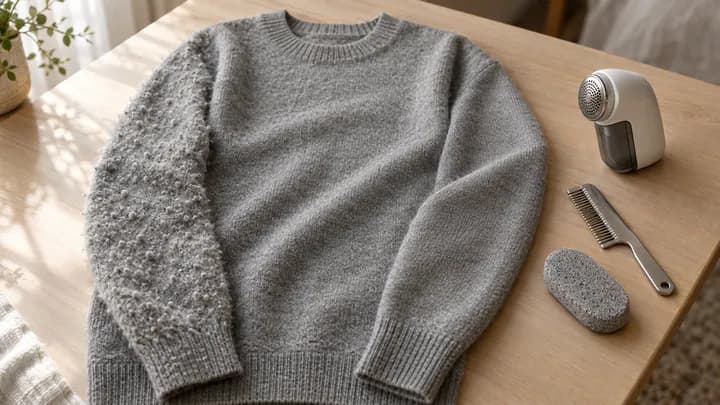
| Neutral knit sweater | Wool or wool blend over pure acrylic; tight knit resists pilling | $35–$80 | 35 |
| Layering tops (camis, tanks, long-sleeve tees) | Thin enough to sit flat under other layers | $10–$25 each | 50+ |
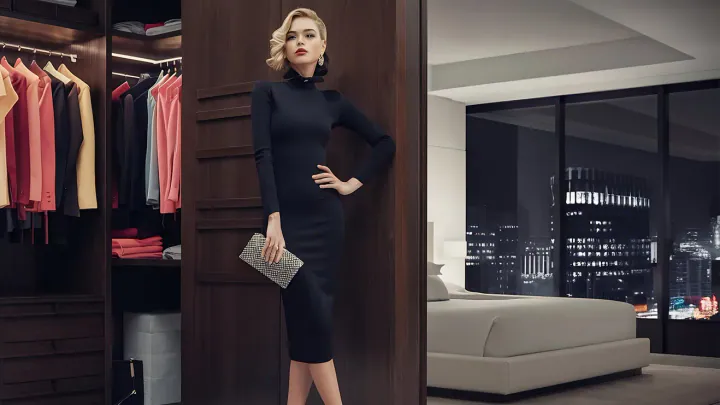
| Little black dress | A neckline and length you'd wear without thinking about it | $45–$100 | 12 |
| Statement jacket | Shoulder fit — the one thing tailoring can't cheaply fix | $60–$150 | 50 |
| Flats or loafers | Wearable for a full day on the first day, no "breaking in" | $45–$110 | 120+ |
| Everyday bag | Strap width, closure, and whether your actual belongings fit | $35–$90 | 200+ |
Note the right-hand column. The bag, the shoes and the jeans get worn several times as often as the dress — which is exactly why the budget should not be spread evenly across the ten.
How do you decide what to spend on each piece?
Use cost per wear: price divided by the number of times you'll realistically wear it. A $50 pair of black trousers worn three times a week for two years costs about sixteen cents a wear. A $30 trend top worn twice costs $15 a wear — nearly a hundred times more expensive in the only unit that matters.
That single reframe settles most budget arguments. It tells you to spend up on shoes, denim and outerwear, and to stay firmly cheap on tees, camis and tanks, which degrade with laundering no matter what you paid. It also tells you that a $200 blazer worn weekly for four years is a better financial decision than four $50 blazers bought on impulse.
One honest caveat: cost per wear only works retroactively if you're truthful about the second number. Our decision rule is to name three specific occasions in the next month — not "a wedding sometime" — before the item goes in the basket. If you can only name one, put it back.
How do you buy these basics without overspending?
Buy structured pieces secondhand, buy jersey new, and time the rest to end-of-season clearance. Blazers, trousers, button-ups and coats survive previous owners intact and appear constantly in consignment and thrift stores; tees and camis do not, because their fibers are already tired by the time they're donated.
- Shop the season you're leaving. Retailers clear knitwear in late winter and linen in late summer, usually at substantial markdowns. Buying one season ahead means you rarely pay full price for a predictable staple.
- Thrift the shoulder seams, not the shapewear. Structured items with intact linings are the win. Skip secondhand shoes unless the footbed is unworn — a molded insole holds someone else's gait.
- Factor tailoring into the sticker price. A $35 pair of trousers plus a $15 hem is a $50 pair of trousers. That's still good value; just do the math before you decide it's a bargain.
- Save for the big three deliberately. Jeans, a jacket and shoes are the pieces worth a planned purchase rather than a credit card scramble. Setting aside a little each month in a sinking fund works as well for a new coat as it does for car repairs. This is general budgeting guidance, not financial advice.
- Give yourself 48 hours on anything over $75. Most impulse buys don't survive two nights of thinking about them.
What makes an inexpensive piece look expensive?
Three things, in order: shoulder placement, hem length and fabric opacity. A budget garment that gets all three right reads as costly; a premium garment that gets them wrong reads as borrowed. This is the single highest-leverage thing you can learn about clothes.
Shoulder seams should sit at the outer edge of your shoulder bone, not down your upper arm. Hems should end at a deliberate point — above the ankle bone, at the wrist bone — rather than wherever the factory decided. And hold anything white or cream up to a window before buying; if you can read your hand through it, it will need a layer underneath forever.
Fabric composition is the tiebreaker. Ponte and wool blends hold their shape in trousers. Tightly knit wool or wool-blend sweaters resist the pilling that makes acrylic look worn after four wears. Denim with rigid construction or high-recovery stretch keeps its shape through the day; low-grade stretch sags at the knee by lunchtime. Our guide to the denim shapes worth buying now goes deeper on rise, leg and fabric weight.
This restraint-and-quality approach overlaps heavily with what people now call quiet luxury — and as we argue in our take on building a timeless wardrobe without the price tag, most of the effect comes from fit and fabric rather than spend.
What mistakes quietly wreck a capsule wardrobe?
The four that recur most often are buying basics in the wrong fit, ignoring fabric, over-committing to black, and skipping accessories entirely. Each one leaves you with a technically complete wardrobe that still feels unwearable.
Buying the right item in the wrong fit
A boxy white tee and trousers that bunch at the ankle aren't essentials — they're inventory. If you shop online, read the return window before you read the reviews, and try everything on with the shoes you'd actually wear it with.
Owning nothing but black
Black is efficient and it hides everything, which is why closets drift toward it. But an all-black wardrobe flattens: you lose the visible contrast between pieces, and outfits stop looking assembled. Two or three items in camel, cream or soft navy fix it without breaking the neutral logic.
Treating accessories as optional
Essentials are the foundation, not the house. A gold hoop, a structured belt and a scarf will turn the same tee-and-jeans base into three visually distinct outfits in one week — which is, mathematically, the cheapest wardrobe expansion available to you.
The subtler one: buying a second version of something you already own
Most closets contain four near-identical black tops and no mid-weight layer. Before buying, look at the item next to what's already hanging up. If it duplicates something within two inches of length and one shade of color, it adds nothing to your outfit count.
What outfits can you actually build from these ten pieces?
Enough for a normal week without repeating a silhouette. The point isn't uniformity — it's removing the decision entirely on the mornings you have nothing left to give it.
- Casual day out: white T-shirt + high-rise jeans + loafers + crossbody bag
- Smart casual for work: button-up tucked into black trousers + blazer + flats
- Evening: little black dress + statement jacket + neutral tote
- Errands: neutral knit sweater + high-rise jeans + loafers
- Layered office look: cami under an open button-up + black trousers + flats
- Transitional weather: knit sweater over the LBD, belted, with loafers
If you want to stretch this further into a full seasonal rotation, our breakdown of a 30-piece capsule and the outfits it generates shows where the next twenty items should go once the core ten are settled.
When does this advice not apply?
It doesn't apply cleanly in three situations, and pretending otherwise wastes your money. Be honest about which one you're in before you buy.
If you work somewhere hot, or somewhere with a uniform. Knitwear and a structured jacket are dead weight in a tropical climate or a scrubs-and-badge job. Reallocate that budget to more layering tops, one excellent pair of shoes and a dress you can wear straight from work.
If your size is currently moving. Pregnancy, postpartum recovery and any deliberate body change all make fitted trousers and structured denim a bad investment. Buy the forgiving pieces — knit dresses, wrap styles, elastic-back trousers — and hold the tailored items until measurements settle.
If your social life doesn't include the occasions listed. The little black dress is on every essentials list by inertia. If you haven't attended an event that requires one in two years, it is not an essential for you; a second pair of good trousers is.
Key takeaways
- An essential is any piece that combines with three things you own and suits more than one setting — everything else is a guest in your closet.
- Spend unevenly: shoes, denim and outerwear earn real money; tees, tanks and camis do not.
- Judge purchases by cost per wear, and only after naming three specific occasions in the next month.
- Shoulder placement, hem length and fabric opacity are what separate cheap-looking clothes from expensive-looking ones — not the price.
- Thrift the structured pieces, buy jersey new, and time the rest to end-of-season clearance.
- Skip the pieces your actual life doesn't call for, however standard they look on a list.
Frequently asked questions
How many wardrobe essentials does a woman actually need?
Ten to fifteen well-fitting, versatile pieces is enough to cover most weeks. The number matters less than the ratio: every essential should combine with at least three other things you already own, which is what turns a pile of clothes into a working wardrobe.
What colors should I choose when buying basics?
Build on black, white, navy, gray, cream and camel, then add color through accessories and one or two seasonal pieces. Neutrals combine without thought, photograph well and stay wearable for years, but an all-black closet can look flat, so mix at least two lighter neutrals in.
Are expensive basics better than cheap ones?
Not automatically. Price correlates loosely with fabric quality and barely at all with fit, and fit is what makes a garment look costly. Spend more where construction shows — trousers, outerwear, shoes, jeans — and less on tees, tanks and camis that wear out regardless of what you pay.
How much does a 10-piece starter wardrobe cost?
Roughly $400 to $700 buying new at mid-market high-street prices, and often half that if you thrift the structured pieces. Spreading the purchases over two end-of-season sale cycles keeps it manageable rather than a single painful checkout.
Is it worth paying for tailoring on inexpensive clothes?
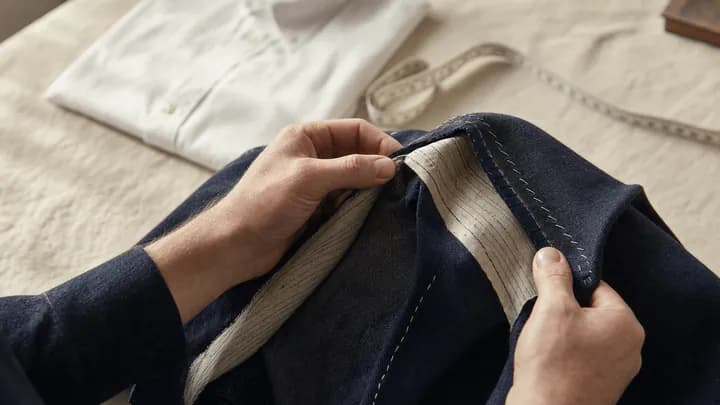
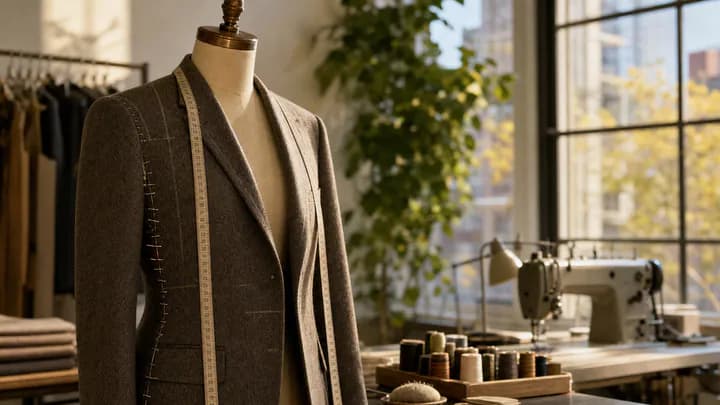
Often yes, on trousers and jackets. A hem or a waist take-in typically costs less than the gap between a budget garment and a premium one, and it fixes the exact detail — length, shoulder, waist — that makes cheap clothing read as cheap. Skip tailoring on knitwear and jersey tees.
What should I buy first if I can only afford two items?
Jeans that fit and shoes you can walk in all day. Those two carry the highest wear frequency of anything in the list, so they deliver the lowest cost per wear and immediately make the pieces you already own more wearable.
Does the capsule approach work if my size is changing?
Partly. During pregnancy, postpartum recovery or a deliberate body change, buy only the pieces with forgiving construction — knit dresses, wrap styles, elastic-back trousers, layering tops — and delay the fitted trousers, tailored blazer and structured jeans until your measurements settle.