Sustainable Fashion Brands 2025: How to Spot the Real Ones
A practical look at the sustainable fashion brands worth watching in 2025 — what each one actually verifies, which certifications hold up under scrutiny, and the shopping mistakes that quietly cancel out good intentions.
Rewritten with AI and republished automatically. Our editors set the standards and fix reported errors — how we work.

TL;DR: In 2025 the brands worth your money are the ones that publish evidence — named factories, fiber percentages, third-party audits, and working repair or resale programs. Patagonia, Eileen Fisher, Reformation, Outerknown, Veja, Nudie Jeans and Girlfriend Collective all clear that bar in different ways. Everything else is marketing copy.
A sustainable fashion brand is a clothing company that can independently verify how its garments are made — materials, labor conditions, and end-of-life path — rather than simply describing them as eco-friendly. That definition is deliberately narrow, because the word "sustainable" has no legal definition in US retail, and anyone can print it on a hangtag.
This guide looks at what these brands actually disclose, not what they say in campaign imagery. Below is what holds up.
What counts as a sustainable fashion brand in 2025?
Three things, all of which have to be true at once: lower-impact materials, verified labor conditions, and a product designed to stay in use. A brand that nails one and ignores the others is doing partial work. Organic cotton sewn in a factory nobody has audited is not sustainable clothing; it is organic cotton.
The strongest signal is boring: disclosure. Brands serious about their supply chain publish tier-one factory names and locations, fiber percentages by garment, and the certification bodies they work with. Vague phrases — "responsibly sourced," "eco-conscious blend," "made with care" — carry no information and no accountability.
The second strongest signal is infrastructure for the garment's second life. Repair desks, take-back programs, and resale platforms cost money and generate no new sales, which is precisely why they separate committed brands from opportunistic ones.
Which sustainable fashion brands are worth watching in 2025?
These are the labels with the most substantiated records right now. Each earns its place for a different reason, so read the "best for" column before the price.
| Brand | Known for | Verifiable signals | Typical price band | Best for |
|---|---|---|---|---|
| Patagonia | Technical outerwear, fleece, recycled fibers | Certified B Corporation; Fair Trade Certified sewing on many styles; Worn Wear repair and resale; 1% for the Planet | High | Outerwear you expect to keep a decade |
| Eileen Fisher | Timeless, simple silhouettes in natural fibers | Certified B Corporation; Renew take-back and resale program | High | Workwear and wardrobe staples that resell well |
| Reformation | Feminine dresses from deadstock and vintage fabric | Publishes per-garment impact estimates through its RefScale reporting | Mid to high | Occasionwear without a fast-fashion supply chain |
| Outerknown | Coastal menswear, co-founded by surfer Kelly Slater | Fair Trade Certified factories; organic and recycled fiber sourcing | Mid to high | Everyday menswear with labor transparency |
| Veja | Sneakers using wild rubber and organic cotton | Publishes sourcing relationships and producer cooperatives in detail | Mid | Sneakers with a documented raw-material chain |
| Nudie Jeans | Organic cotton denim | Free repairs for the life of the jeans; published production guide | Mid to high | Denim you intend to wear into the ground |
| Girlfriend Collective | Activewear from recycled PET | Recycled-content sourcing; unusually wide size range | Mid | Extended sizing in performance fabric |
| Rothy's | Knit footwear from recycled plastic bottles | Knit-to-shape construction that minimizes cutting waste | Mid to high | Machine-washable everyday shoes |
Stella McCartney remains the reference point at the luxury end, having built a house without leather, fur, or exotic skins and pushed next-generation materials into runway collections. It is not a practical entry point for most budgets, but it changed what the rest of the industry considered possible.
Which certifications actually mean something?
Certifications that require an independent audit carry weight; self-declared badges do not. No single certification covers a whole brand — each one certifies a specific slice of the process, which is why a stack of them tells you more than any one alone.
- GOTS (Global Organic Textile Standard): organic fiber content plus processing and some social criteria.
- Global Recycled Standard: verifies recycled content claims through the chain of custody.
- OEKO-TEX Standard 100: tests finished textiles for harmful substances.
- Fair Trade Certified: factory-level labor standards with a premium paid to workers.
- bluesign: chemical, water, and energy management in textile manufacturing.
- B Corp: company-wide governance, worker, and environmental accountability — not garment-specific.
Independent rating platforms such as Good On You score brands across labor, environment, and animal welfare using public disclosure. Treat those ratings as a starting filter, not a verdict.
How do I spot greenwashing before I pay?
Three red flags catch most of it. First, adjectives without numbers: if the product page says "eco-blend" but never lists fiber percentages, there is nothing to check. Second, the capsule problem — a small "conscious" line marketed loudly while the remaining ninety-odd percent of the range runs on a conventional fast-fashion calendar. Third, carbon neutrality claimed entirely through offsets, with no stated reduction target for actual emissions.
An edge case worth knowing: recycled polyester made from drinks bottles is genuinely lower-impact than virgin polyester, but it does not close a loop. Those bottles were already recyclable into new bottles; once knitted into fabric, they usually leave the recycling stream for good. Polyester also sheds microfibers in the wash. A fabric-catching laundry bag and cooler, fuller wash loads handle that far better than any hangtag.
What does sustainable clothing cost, and how do I judge value?
Use cost per wear, not sticker price. A $180 jacket worn 200 times over five winters costs about $0.90 per wear. A $35 jacket that pills and sags after eight outings costs roughly $4.40 per wear — nearly five times more, before you factor in the replacement you will buy next season.
The math only works if the garment matches your real life. The most expensive item in any closet is the beautiful, well-made piece you never reach for. Before buying, our rule is simple: name three specific occasions in the next two months when you would wear it. If you cannot, the cost per wear is theoretical.
This framing pairs naturally with a smaller, deliberate closet. If you are rebuilding from scratch, our guide to building a 30-piece capsule wardrobe works out the combinations before you spend, and the quiet luxury approach to a timeless wardrobe covers how to judge construction quality in person.
What mistakes do shoppers make when switching to sustainable fashion?
The costliest mistake is the overhaul. Replacing an entire wardrobe with "better" versions still means manufacturing an entire wardrobe — more resources consumed, not fewer, and often a bag of perfectly wearable clothes sent to a thrift chain that cannot resell most of it. Attrition beats replacement: swap items out as they genuinely wear through.
Other common patterns:
- Materials-only thinking. Organic cotton sewn under poor conditions is not a sustainable garment. Labor and environment are one supply chain, not two scorecards.
- Treating "sustainable" as permanent. Brands get acquired, factories change, programs quietly close. Re-check the labels you buy from every year or two.
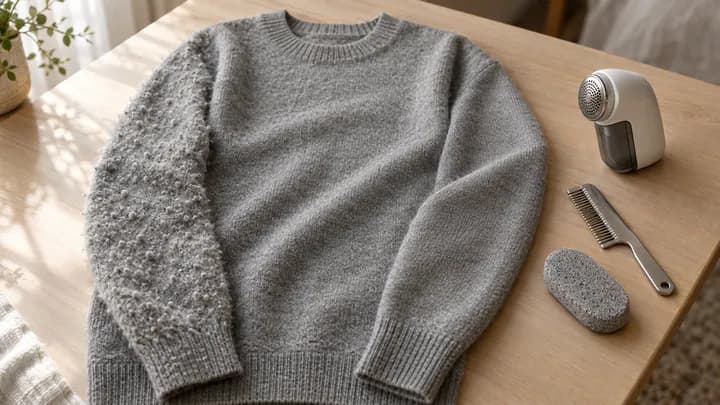
- Ignoring care. Washing cooler, washing less often, air-drying, and repairing small holes extends garment life more than almost any purchase decision. Heat is what destroys elastane and sets stains permanently.
- Buying trend items in sustainable fabric. A hyper-trend silhouette in organic cotton is still a garment you will stop wearing in eighteen months.
When this advice does not apply
If you work a physically demanding job, need flame-resistant or high-visibility gear, or wear medical scrubs, safety standards and institutional requirements come first — buy what your role requires and apply longevity thinking to the rest of your closet. Similarly, if sustainable brands do not carry your size, the honest answer is that the category has a size-inclusivity gap. Girlfriend Collective's wide activewear range and Universal Standard's extended sizing are the clearest exceptions, but the gap is real and not your problem to solve at checkout.
Is secondhand better than buying new from a sustainable brand?
In most categories, yes — the garment already exists, so its production impact is already spent. Thrift stores, clothing swaps, consignment, and resale platforms like ThredUp and Depop extend the life of clothes already in circulation, which is the highest-leverage move most shoppers can make.
New production still matters for things resale serves badly: technical outerwear, underwear and socks, footwear that must fit precisely, and extended sizes that rarely appear on secondhand racks. Denim sits in the middle — vintage pairs are abundant, but fit is unforgiving, so it is worth knowing which denim cuts are actually worth buying new before you commit either way.
What regulations are about to change fashion labeling?
Policy is starting to do what voluntary pledges did not. The European Union's Ecodesign for Sustainable Products Regulation is set to bring durability, repairability, and recycled-content requirements to textiles, along with a digital product passport that carries a garment's material and origin data with it. France has already restricted the destruction of unsold goods and pushed labeling reform.
In the United States, California's textile extended-producer-responsibility law, signed in 2024, makes clothing brands responsible for funding collection and recycling of the products they sell in the state — the first law of its kind in the country. New York has repeatedly considered a Fashion Act imposing supply-chain due diligence on large brands. None of these is fully in force for shoppers yet, but they explain why brands are suddenly publishing supplier lists: verification is becoming a legal requirement, not a virtue.
How do I start without replacing my wardrobe?
Start with what you own. Spend an evening pulling every item you have not worn in a year into one pile, then ask which ones fail on fit, condition, or style — repairs and tailoring solve the first two more cheaply than shopping does.
- Wash cooler and less often; skip the dryer for knits and elastane.
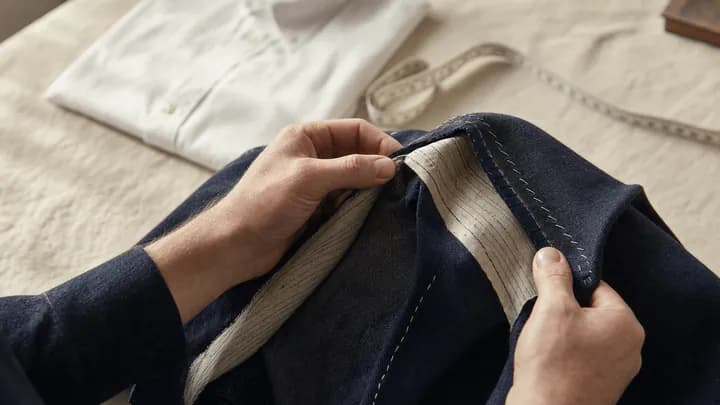
- Repair the three easiest failures: a loose button, a split seam, a jeans hem.
- Write down the genuine gaps that remain — usually two or three items, not twenty.
- Fill each gap secondhand first; go new only when secondhand cannot deliver fit or function.
- When buying new, check for a named factory, a fiber breakdown, and a repair or take-back path before you check the price.
Treating clothing spend as a planned category rather than an impulse helps more than any label.
Key takeaways
- Evidence beats adjectives: named factories, fiber percentages, and third-party audits are the only claims worth trusting.
- Patagonia, Eileen Fisher, Reformation, Outerknown, Veja, Nudie Jeans, Girlfriend Collective and Rothy's each verify something specific — match the brand to the category you actually need.
- Cost per wear, not sticker price, is the right test; name three real occasions before you buy.
- Overhauling a wardrobe to make it sustainable creates more waste than it prevents — replace by attrition instead.
- Secondhand wins in most categories; buy new mainly for technical gear, precise fit, and sizes resale rarely stocks.
- Incoming EU ecodesign rules and California's textile EPR law are turning voluntary disclosure into a legal baseline.
Frequently asked questions
What makes a fashion brand genuinely sustainable?
A genuinely sustainable brand can show independently verified evidence across three areas: materials, labor, and product lifespan. That usually means third-party certifications such as GOTS, Fair Trade Certified, or B Corp, a published supplier list with factory names and locations, and a real repair, resale, or take-back program. Claims without audits, percentages, or named partners are marketing language, not evidence.
Which sustainable fashion brands are most worth watching in 2025?
Patagonia, Eileen Fisher, Reformation, Outerknown, Veja, Nudie Jeans, Girlfriend Collective, and Rothy's remain the most consistently substantiated names. Patagonia and Eileen Fisher lead on repair and resale infrastructure, Veja and Nudie Jeans on supply-chain disclosure, Girlfriend Collective on extended sizing, and Reformation on per-garment impact reporting.
How can I tell if a brand is greenwashing?
Look for three red flags: adjectives without numbers ("eco-conscious blend" with no fiber percentages), a small "conscious" capsule sitting inside a much larger conventional range, and offset-based carbon claims with no reduction plan. Genuine disclosure includes fiber percentages, named factories, audit bodies, and year-over-year data rather than a single glossy impact page.
Is buying secondhand better than buying new sustainable clothing?
Usually yes, because the garment already exists and its production impact is already spent. Secondhand, swaps, and repair extend the life of clothes already in circulation, which is the single highest-leverage move most shoppers can make. New sustainable production matters for items secondhand markets serve poorly — technical outerwear, underwear, footwear that must fit precisely, and extended sizes.
Are sustainable clothes worth the higher price?
Judge it on cost per wear rather than sticker price. A $180 jacket worn 200 times costs about $0.90 per wear; a $35 jacket that pills after eight wears costs roughly $4.40 per wear. The math only works if the garment fits your actual life — a beautifully made item you never reach for is the most expensive thing in your closet.
What certifications should I look for on a clothing label?
GOTS for organic fiber content and processing, Global Recycled Standard for verified recycled content, OEKO-TEX Standard 100 for chemical safety, Fair Trade Certified for factory-level labor premiums, bluesign for chemical and water management, and B Corp for company-wide accountability. Each covers a different slice — none of them certifies a brand as sustainable overall.
Do sustainable fashion brands offer extended sizing?
Size ranges are still one of the weakest points in the category, though a few brands stand out. Girlfriend Collective carries a notably wide activewear range, and Universal Standard built its business around extended sizing with an exchange policy for customers whose size changes. If you wear outside a straight-size range, check the size chart before falling for the sustainability story.